Trapani
The trip across Sicily started at the western end, in the city of Trapani and the adjoining archipelago, Isole Egadi. Before Greeks, Phoenicians, and Romans competed for dominance over Sicily — possibly even before the fall of Troy in the XII century B.C. — this region was inhabited by the Ελυμοι (Elymoi, “Elymians”), who had built a city and a temple in the nearby mount Ἔρυξ (Éryx, modern Erice). It even appears in Virgil's Aeneid, as the place where Aeneas burries his father Anchise before sailing to the penninsula.
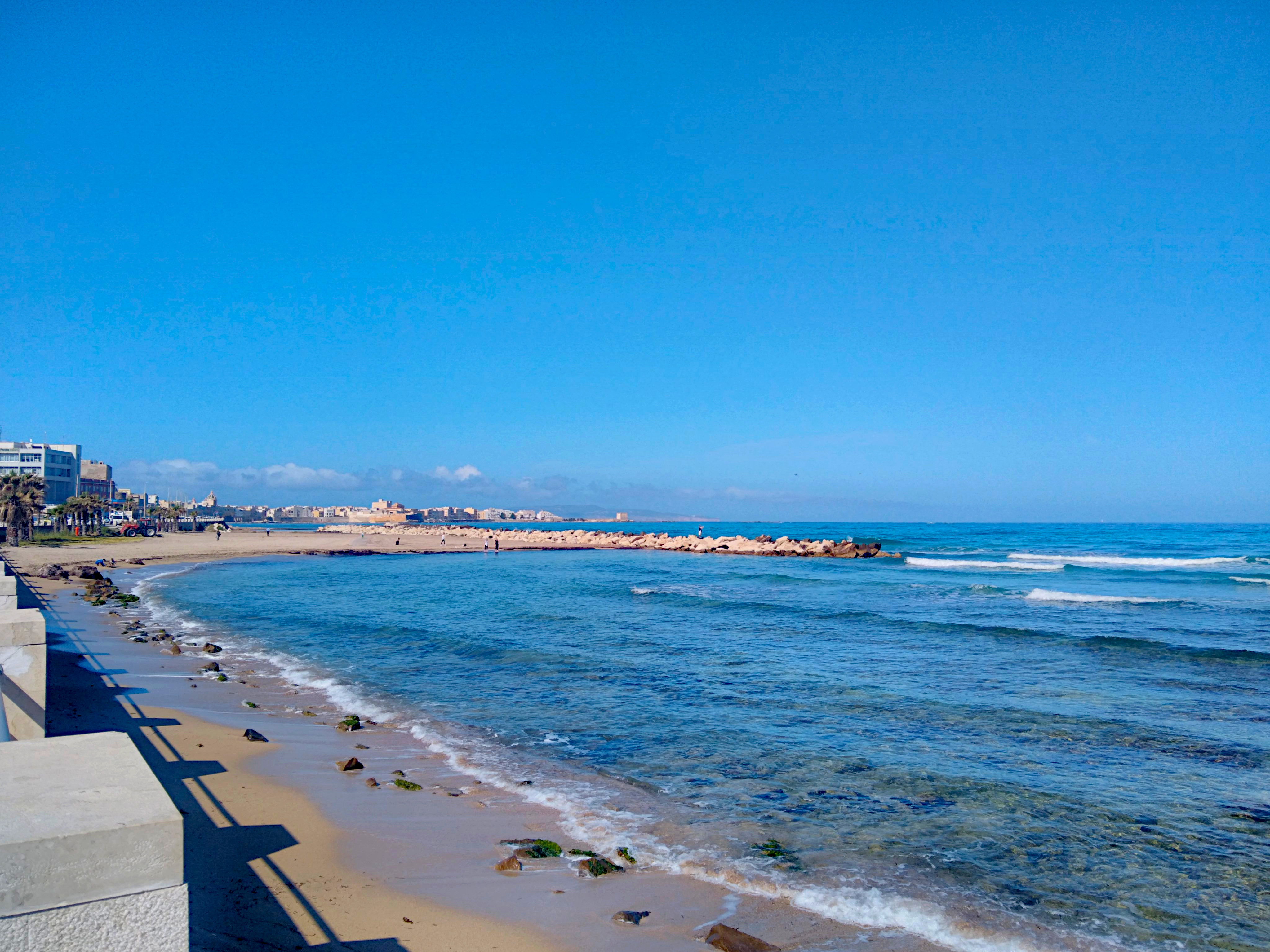
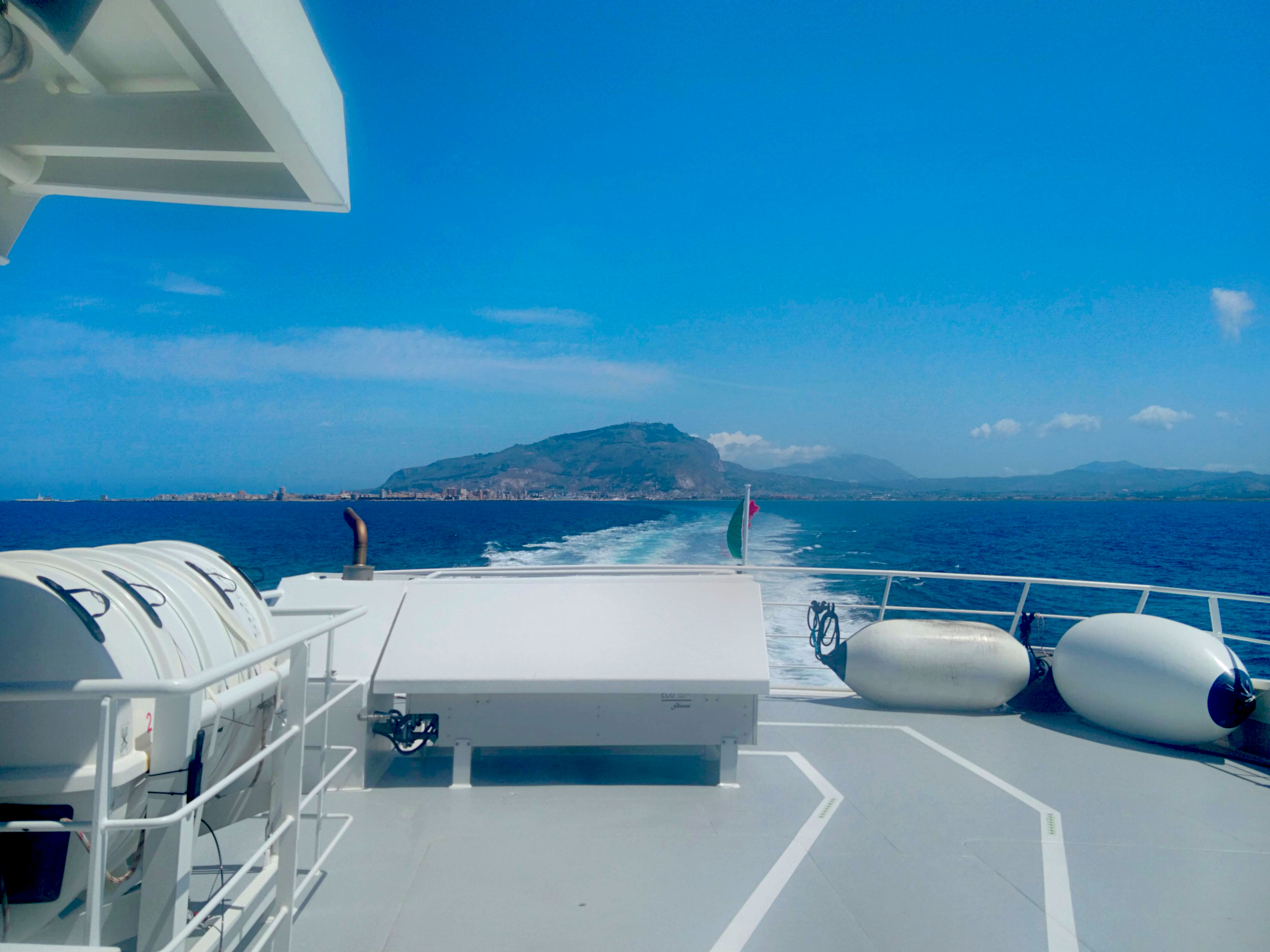
Following a victory by the Carthaginians in 260 B.C., the mountainous city was almost completely destroyed, and its inhabitants transferred to the nearby coast, to the newly founded Δρέπανον (Drépanon, Drepanum in Latin). The name was given due to the shape of the promontory, evident when seen from mount Erice, from the Greek word for “sickle”, δρεπάνη (drepáne). It persisted as one of the last remaining Punic cities in the island, and was the location of a Roman defeat in 249 B.C., until the Battle of the Aegates in the nearby archipelago secured their domination of Sicily.
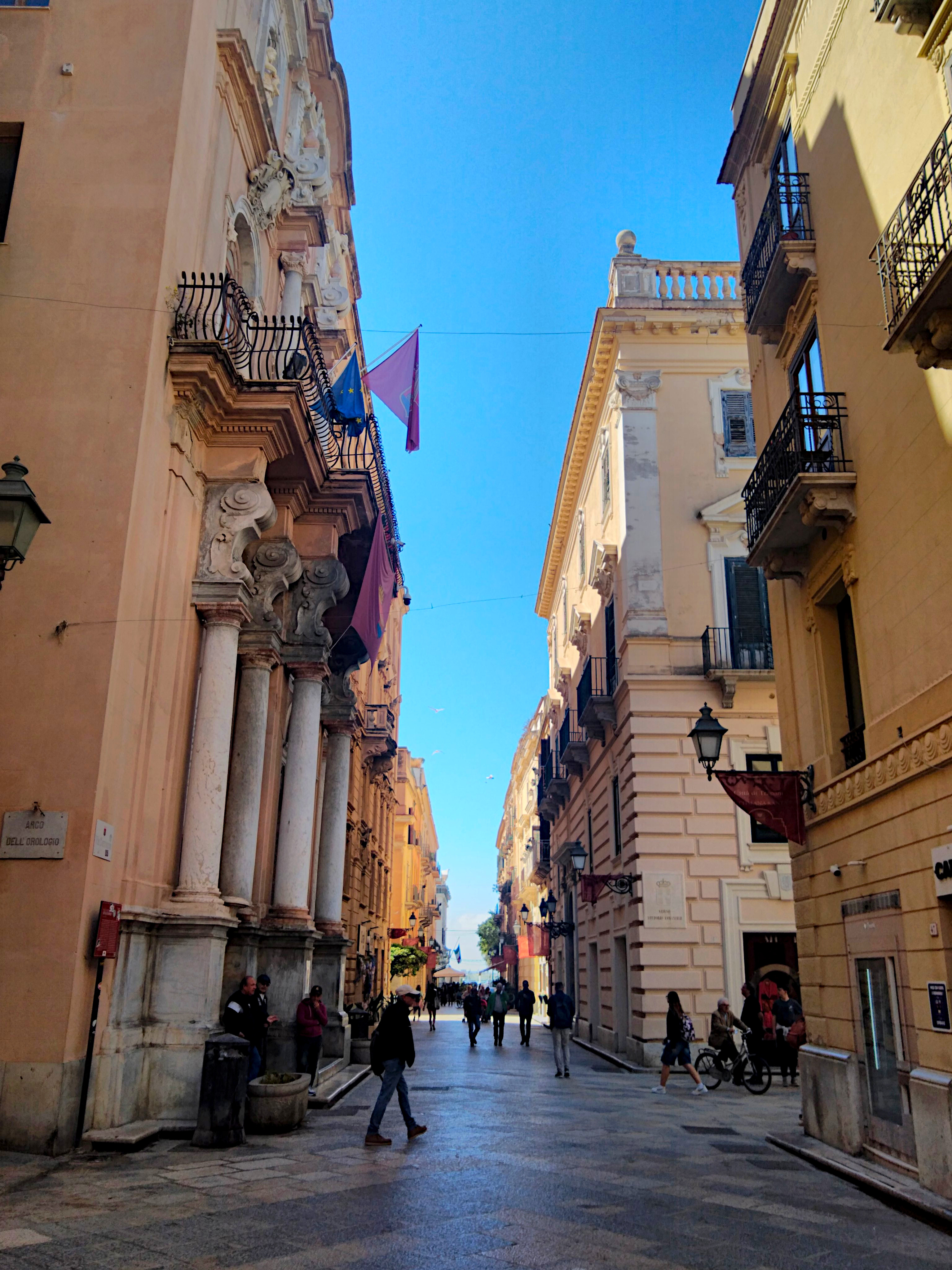
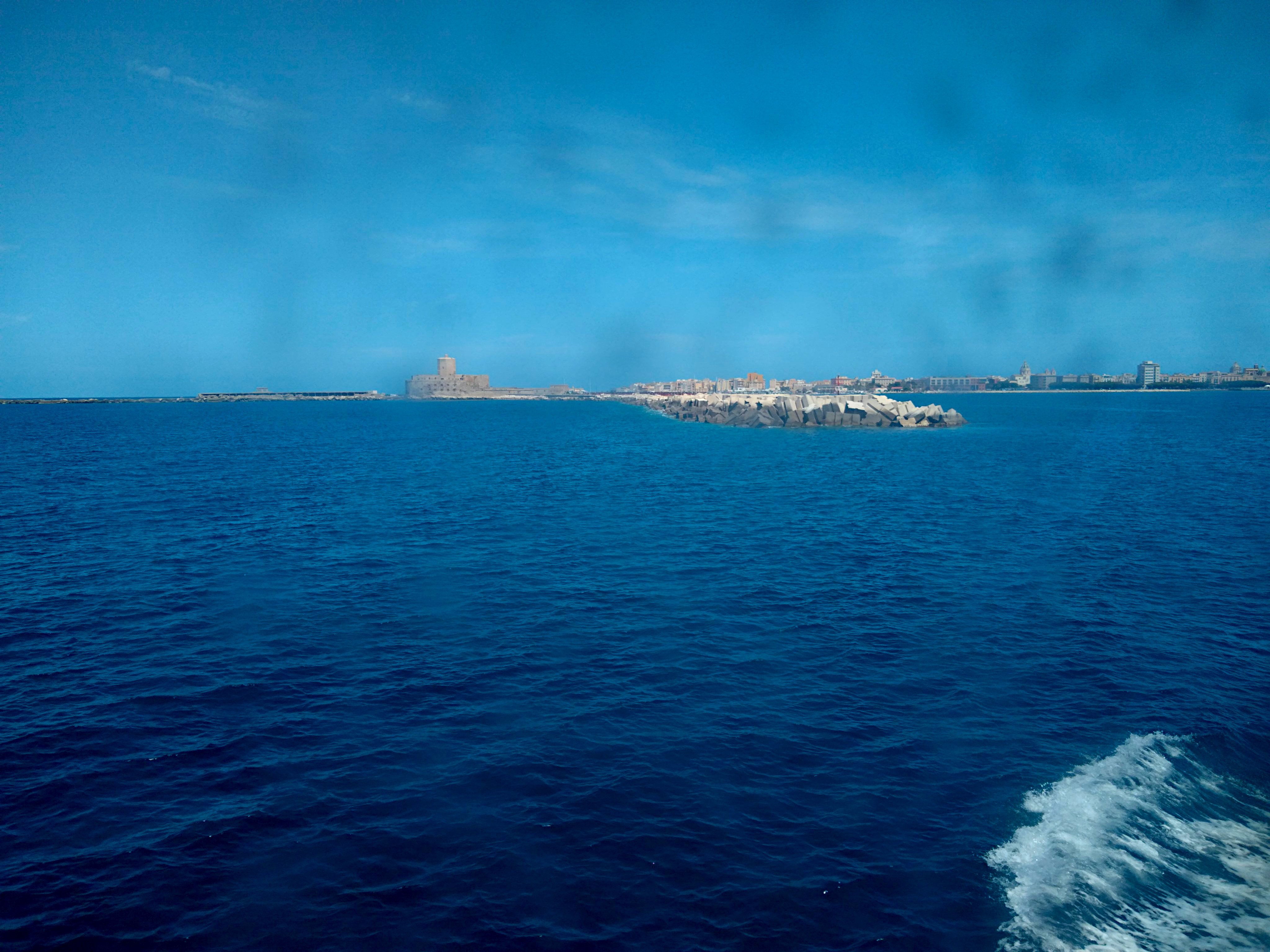
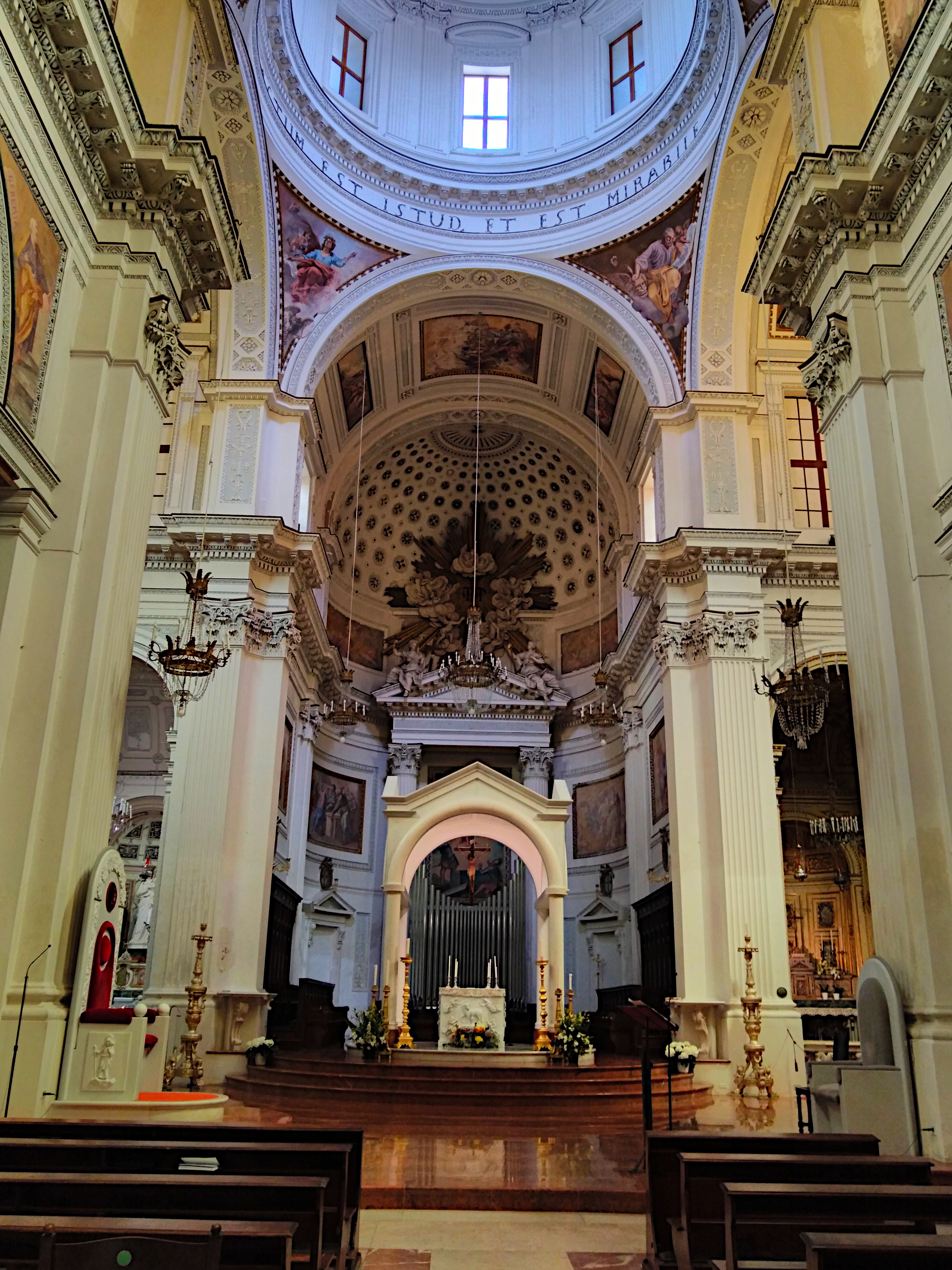
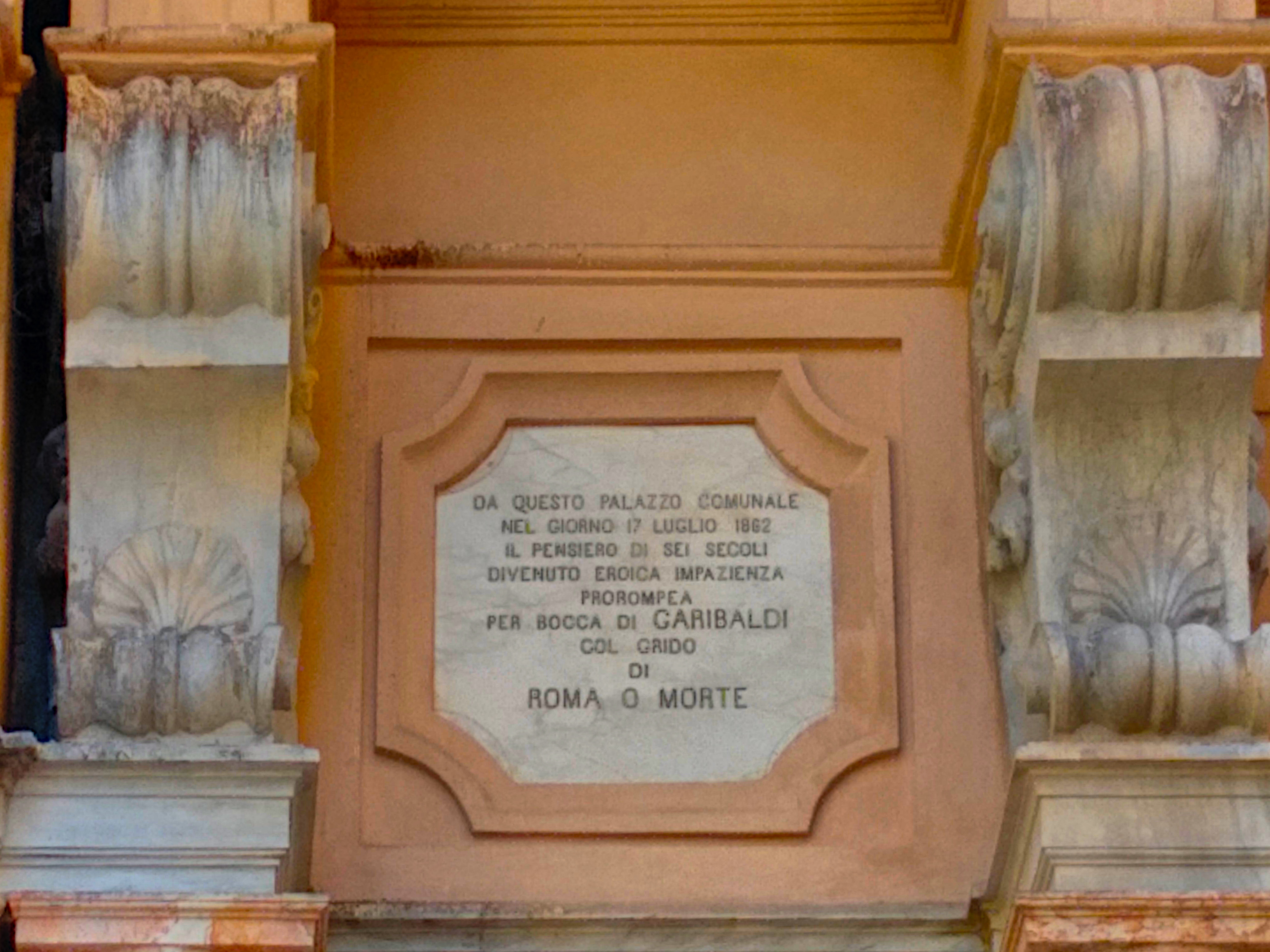
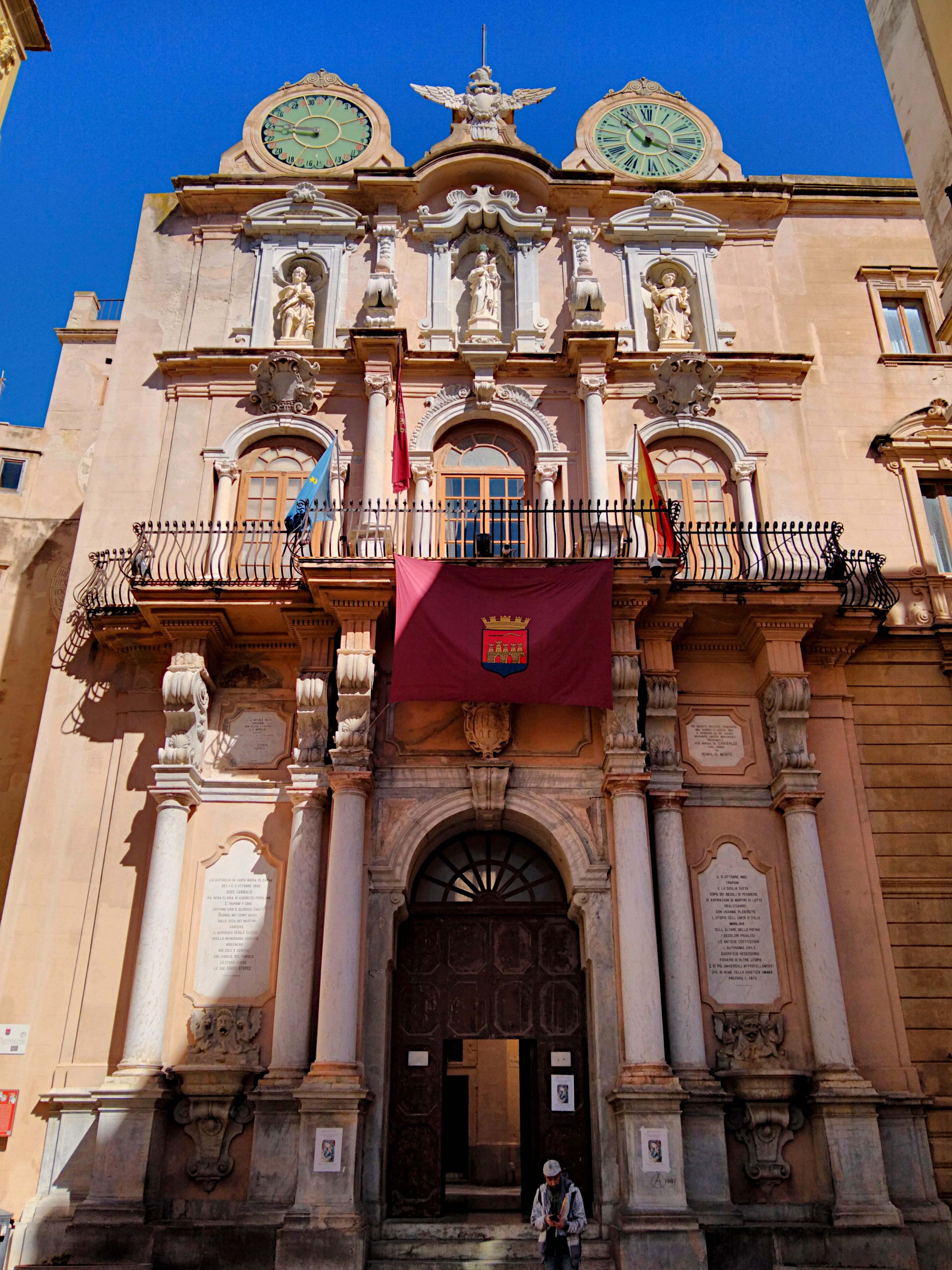
With such an extensive history, many of the buildings in the historical center (which is very unique, being contained entirely inside the promontory) date back to the XII–XIV century. Its cathedral, Cattedrale di San Lorenzo, was built in 1102. Millennia of war around this critical channel at the heart of the Mediterranean have also left their mark: fortifications from the Punic Wars to the World Wars are seen throughout the city and the surrounding waters. And it was here, in the XIX century, that Giuseppe Garibaldi started the military campaing that would become the Risorgimento.
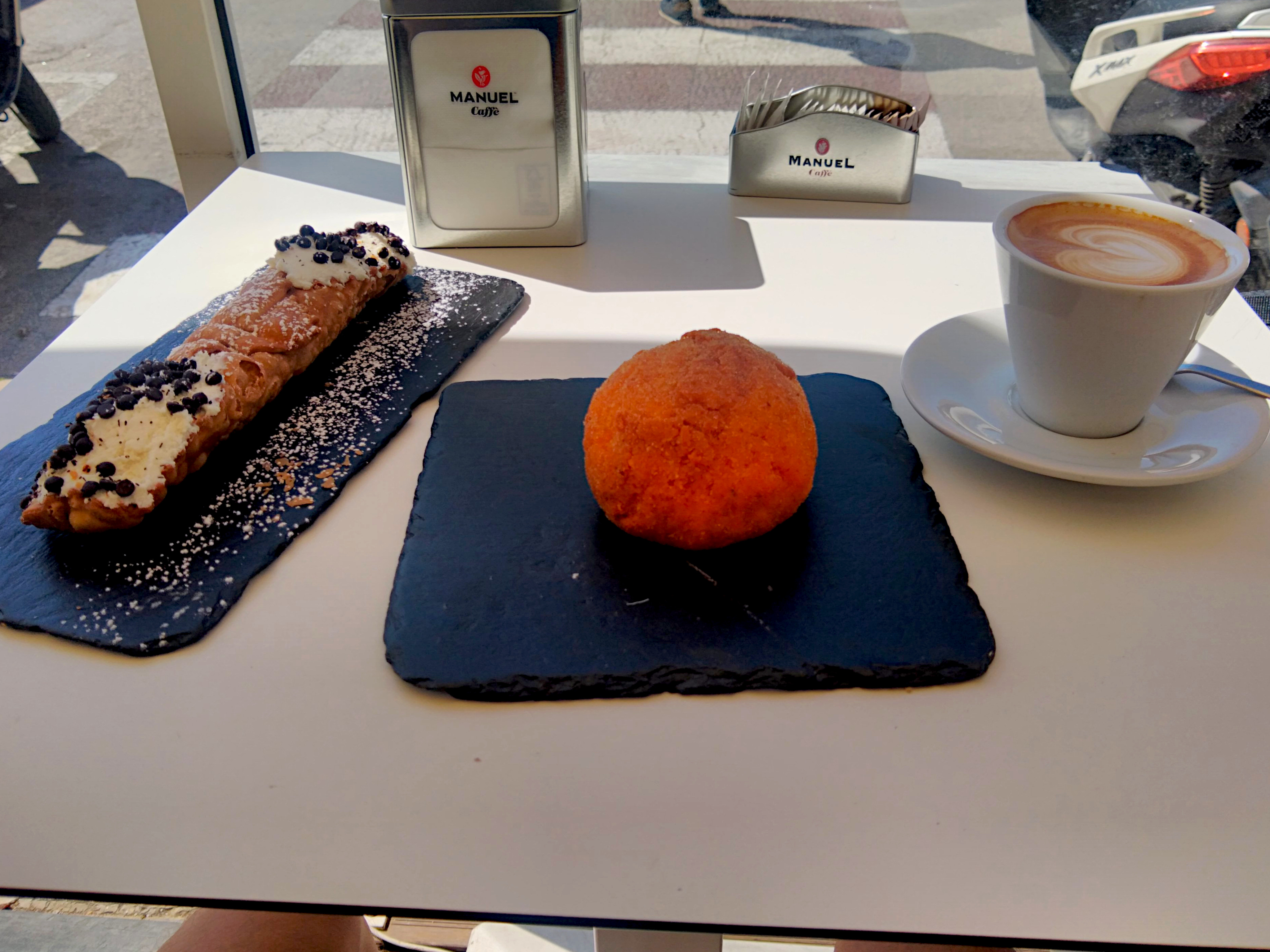
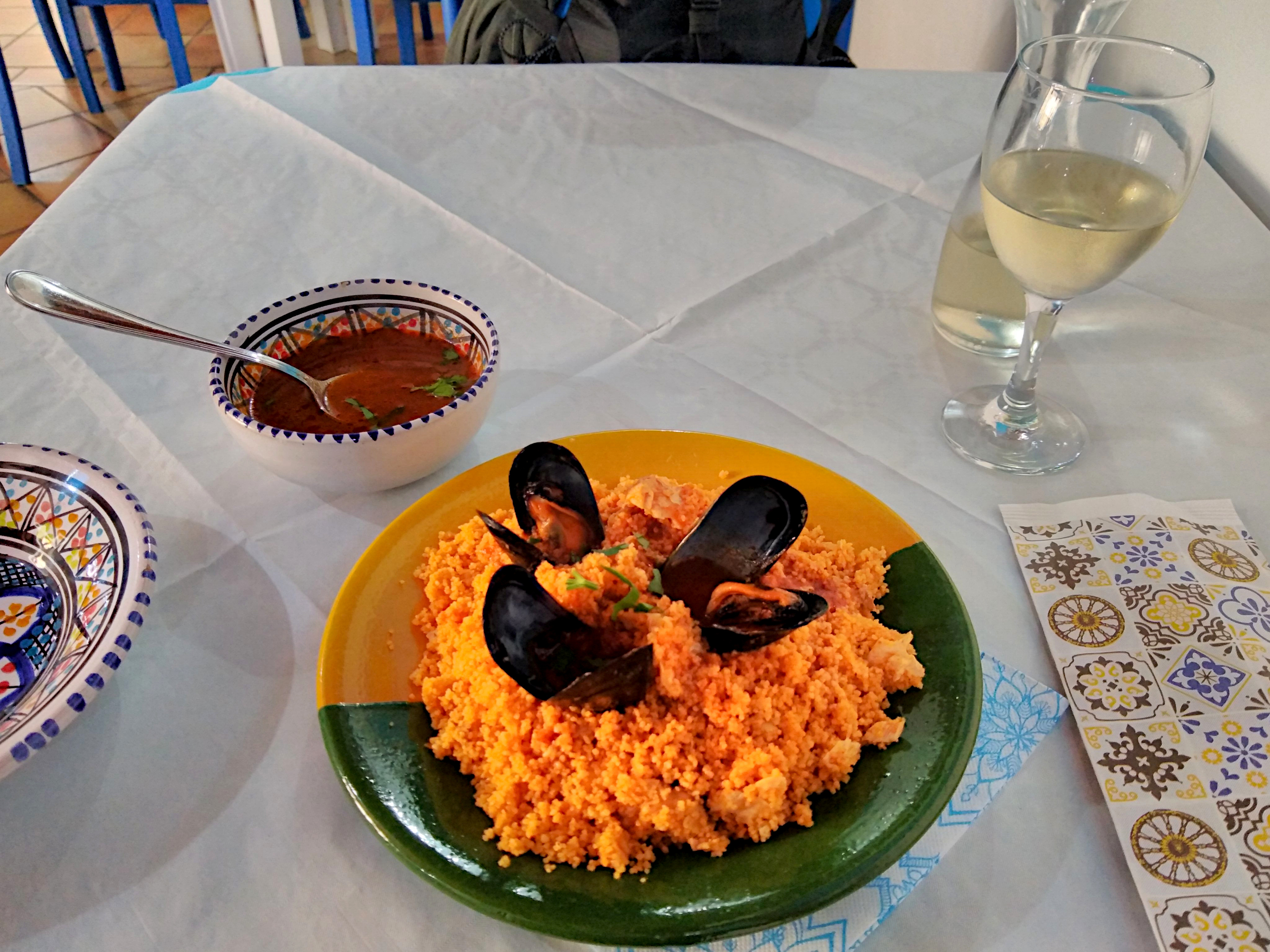
Being the western end of Sicily (and so the south-west end of Italy), this region has an even more pronounced Arab influence — Tunisia is just 160km away on the other side of the channel. One of the main influences is culinary (this is Italy, after all), and many local dishes are an Italian–Arab mixture, as is the local specialty, cuscus di pesce — which is fantastic.
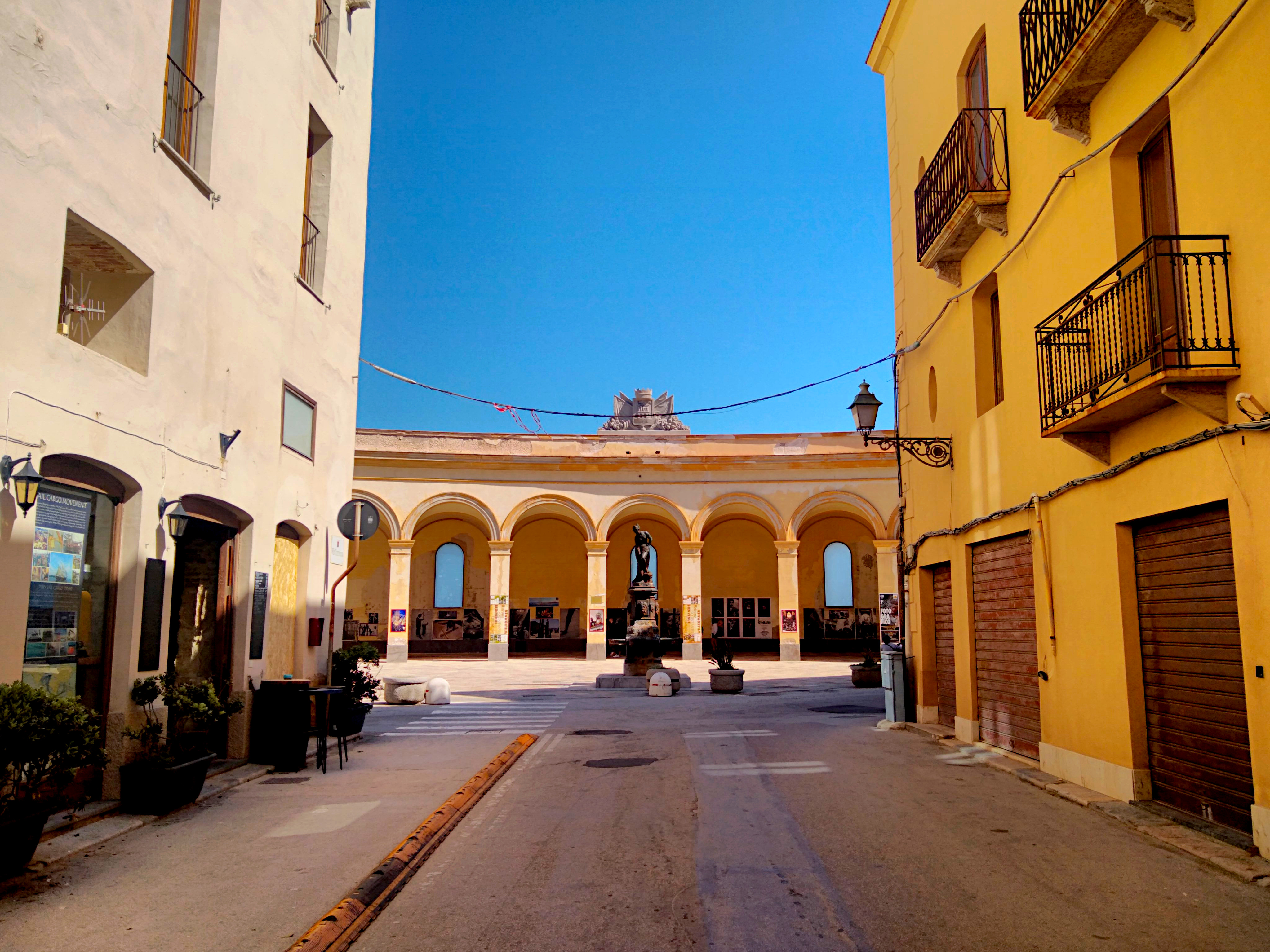
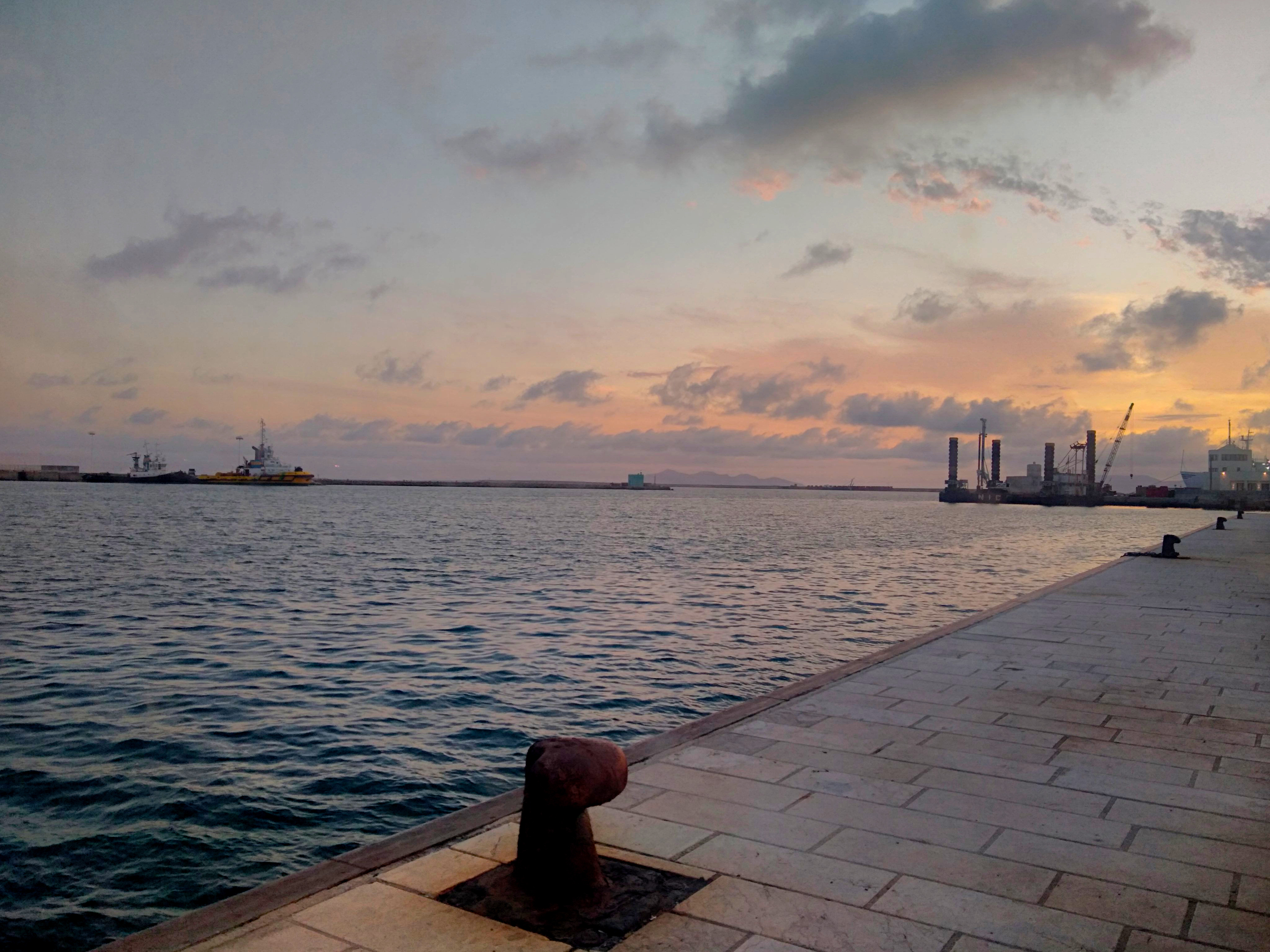
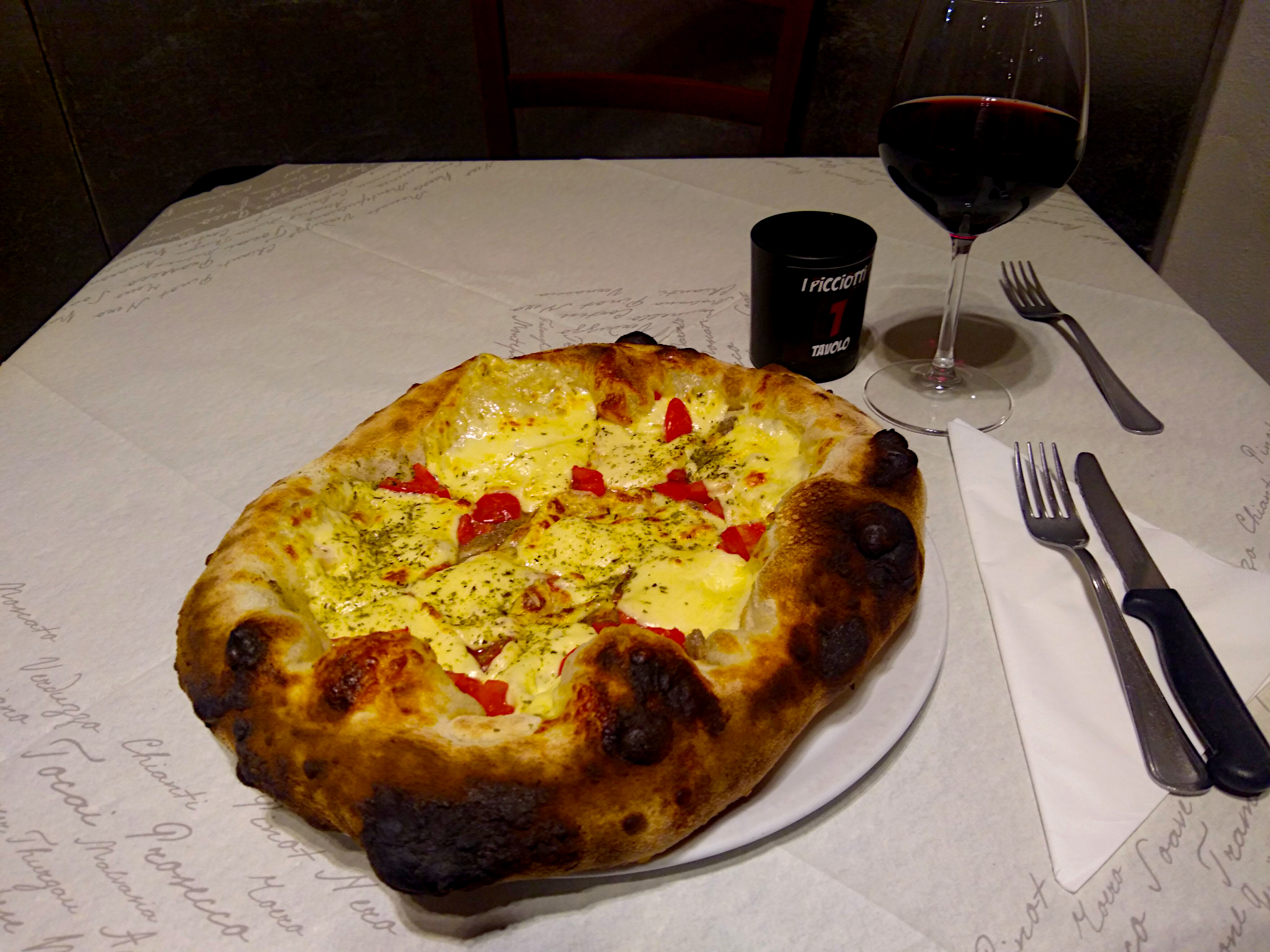
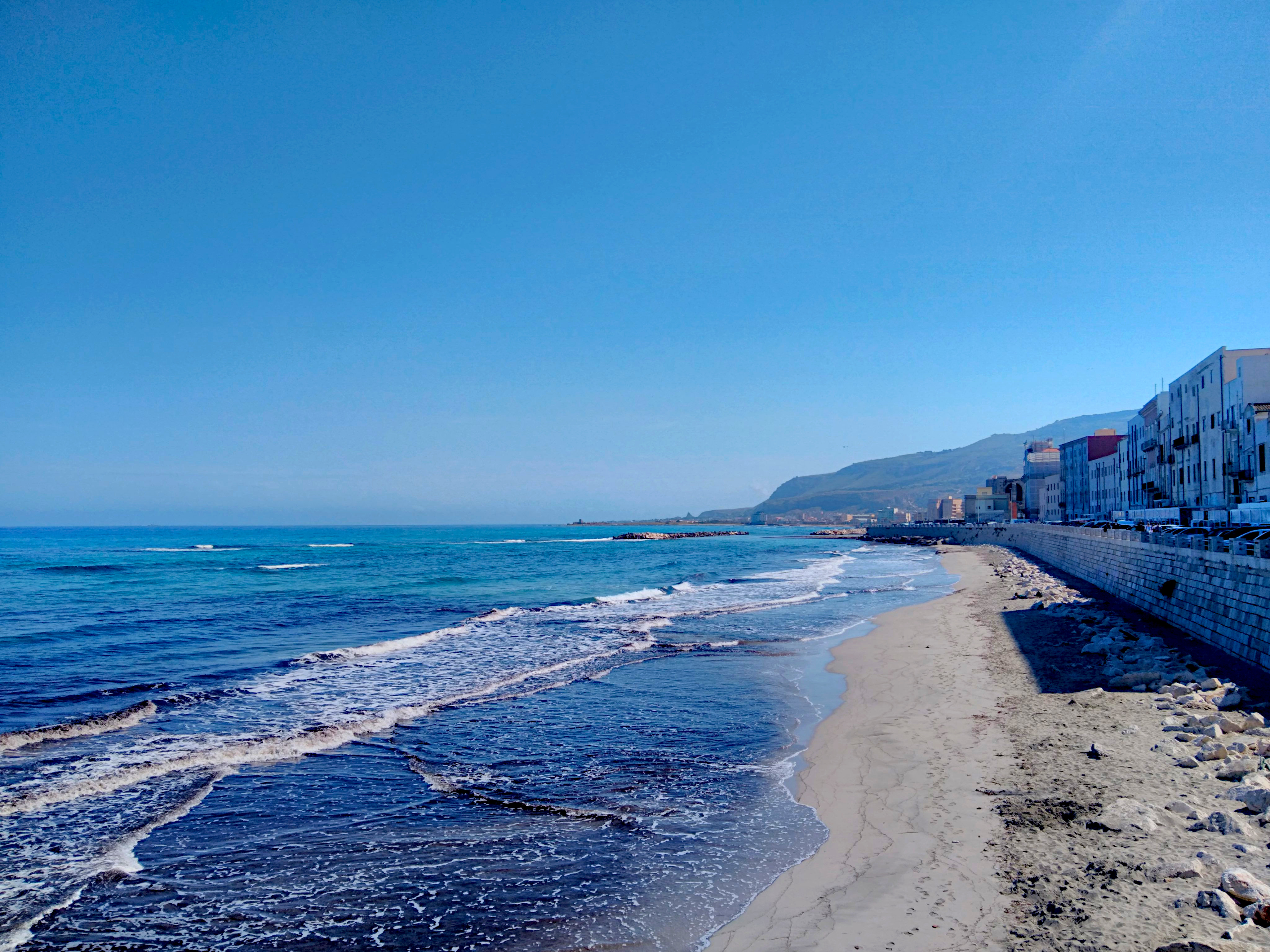
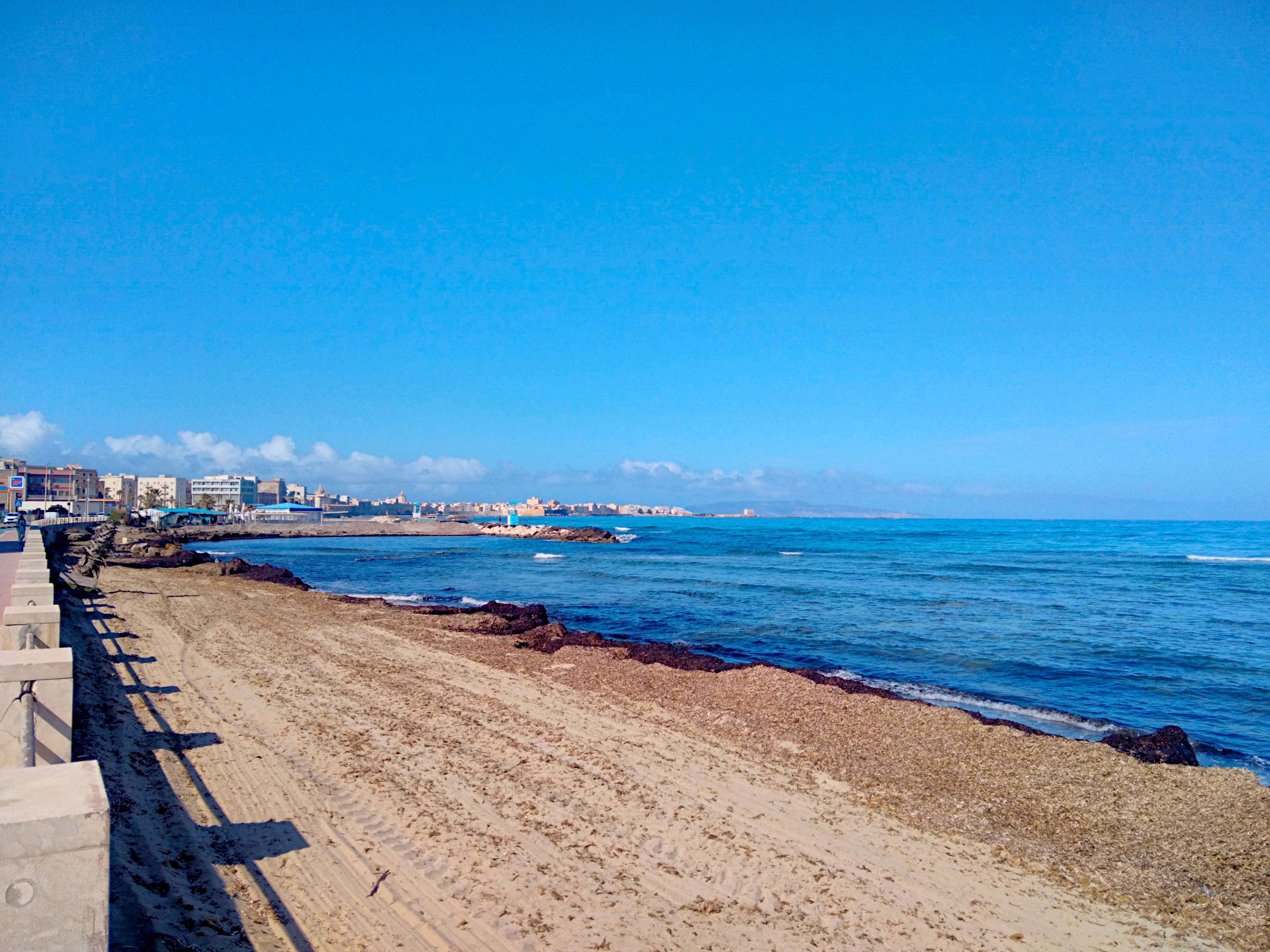
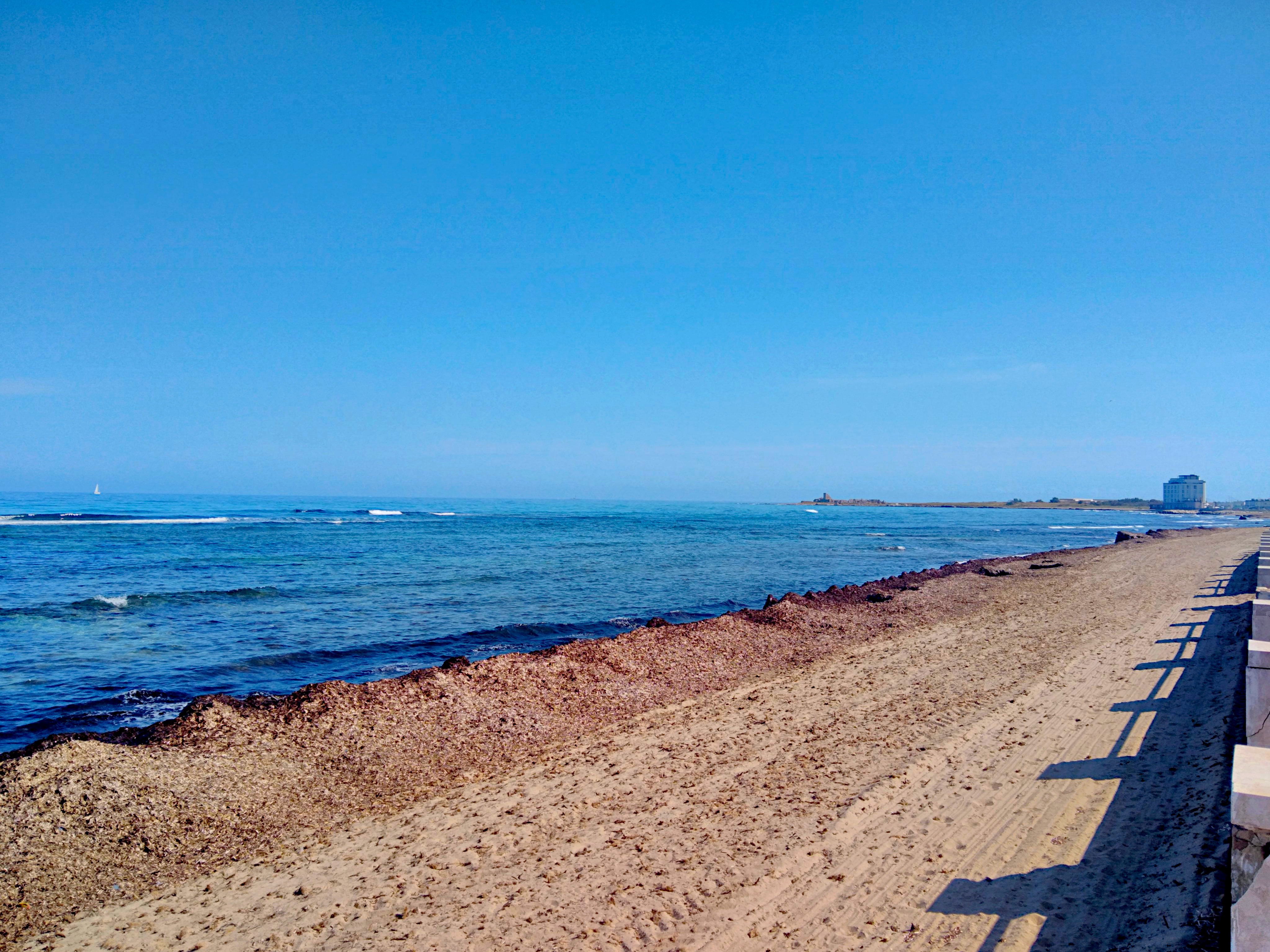
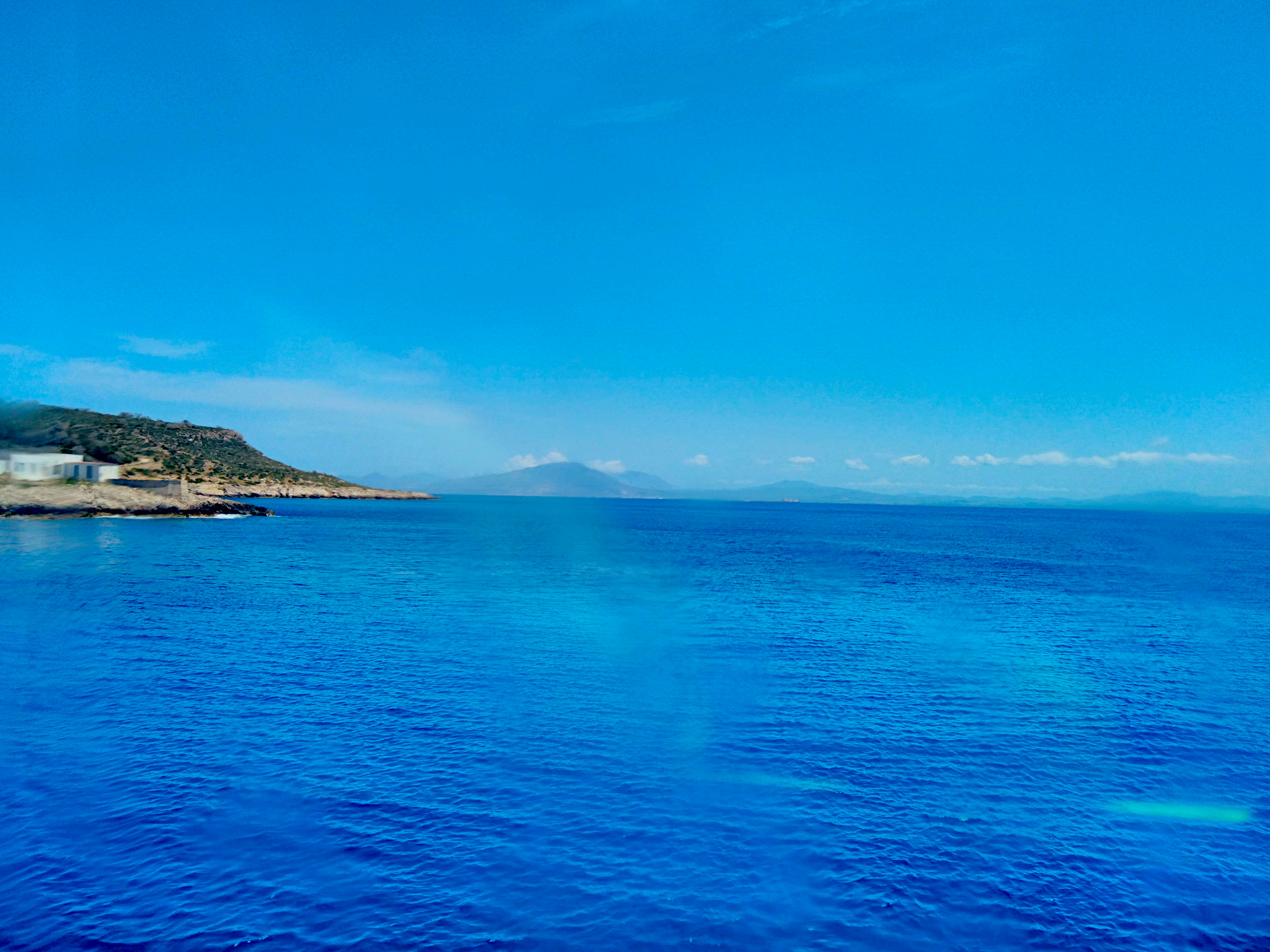
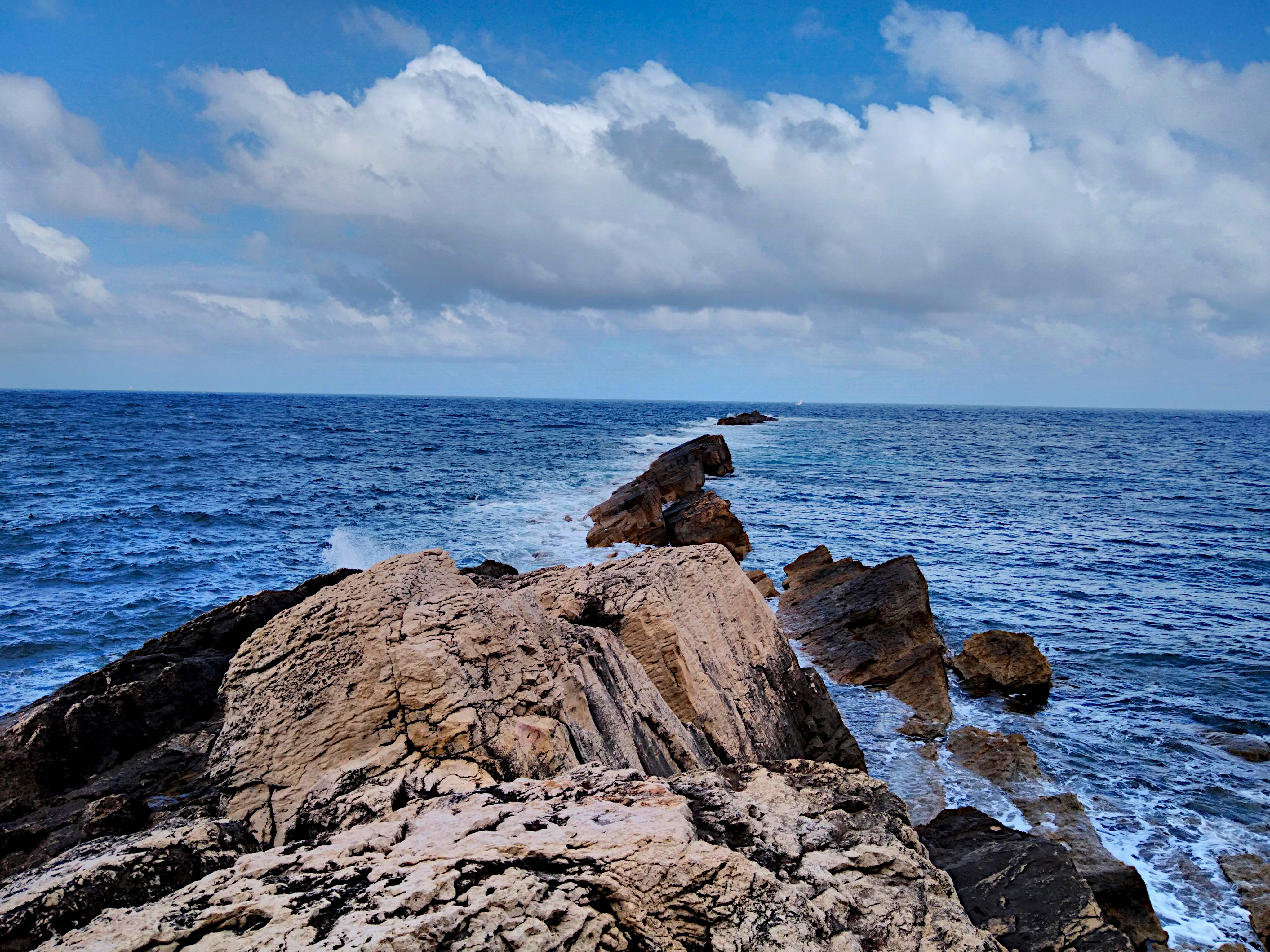
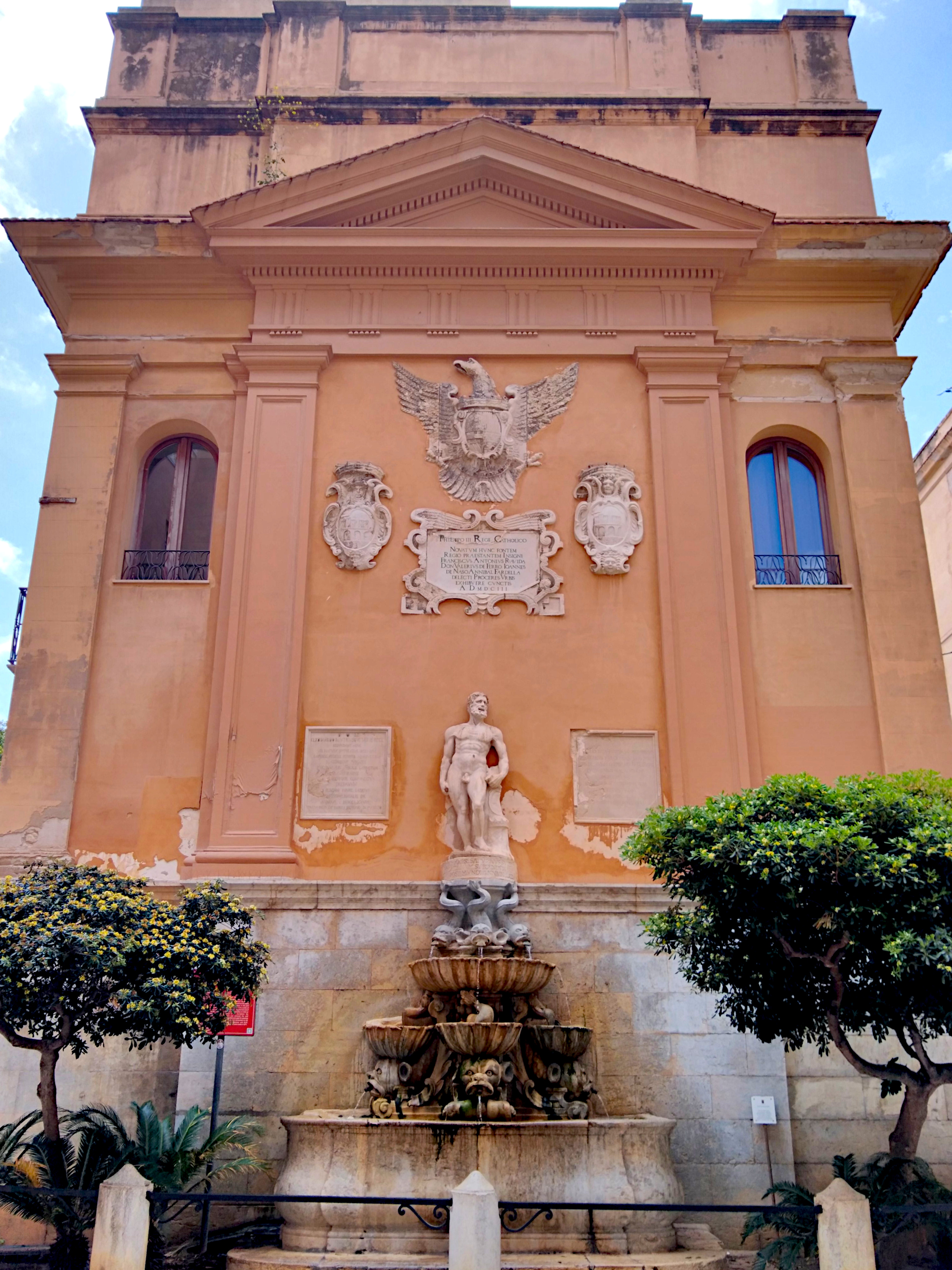
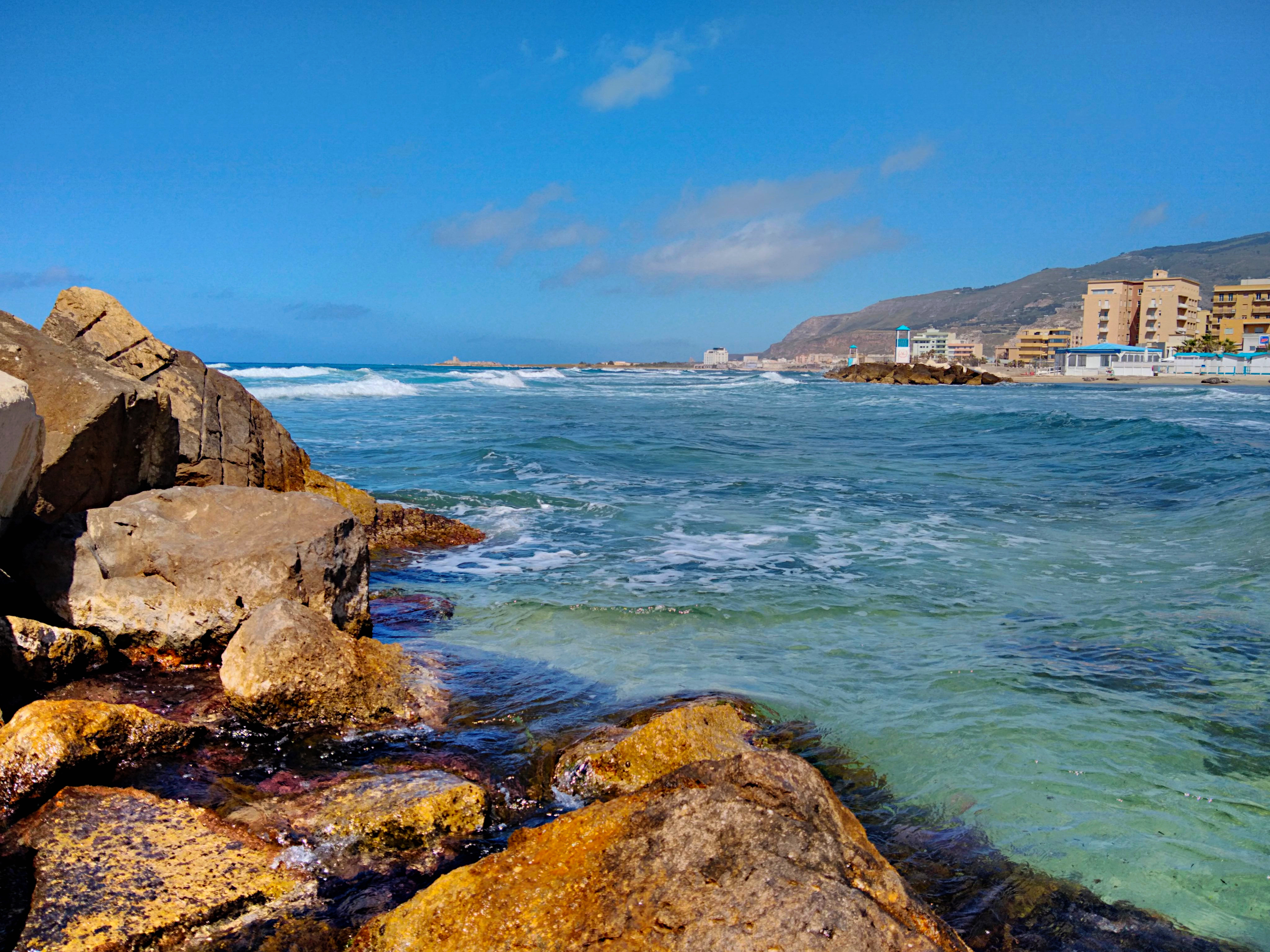
I am so traumatized by how awful most tourists behave, I end up not taking as many pictures as I should. That, in this case, combined with the frenetic pace of trying to cross the entire island in three weeks, meant I unfortunatelly did not manage to capture what the city is like very well, especially the old city center. Oh well, at least the pictures you get are pretty.
Fortis cadere cedere non potest
The mighty may fall, but not yield