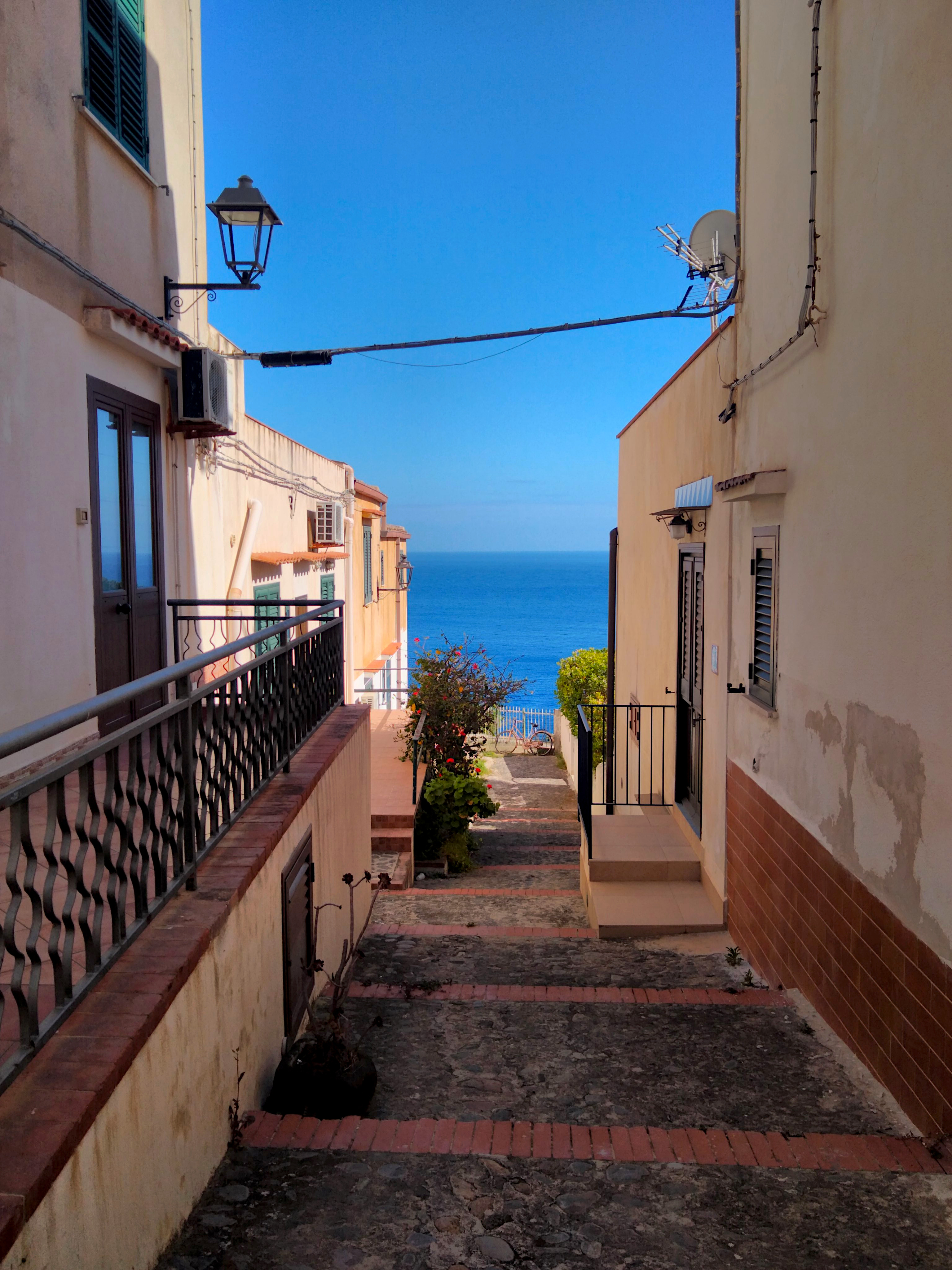
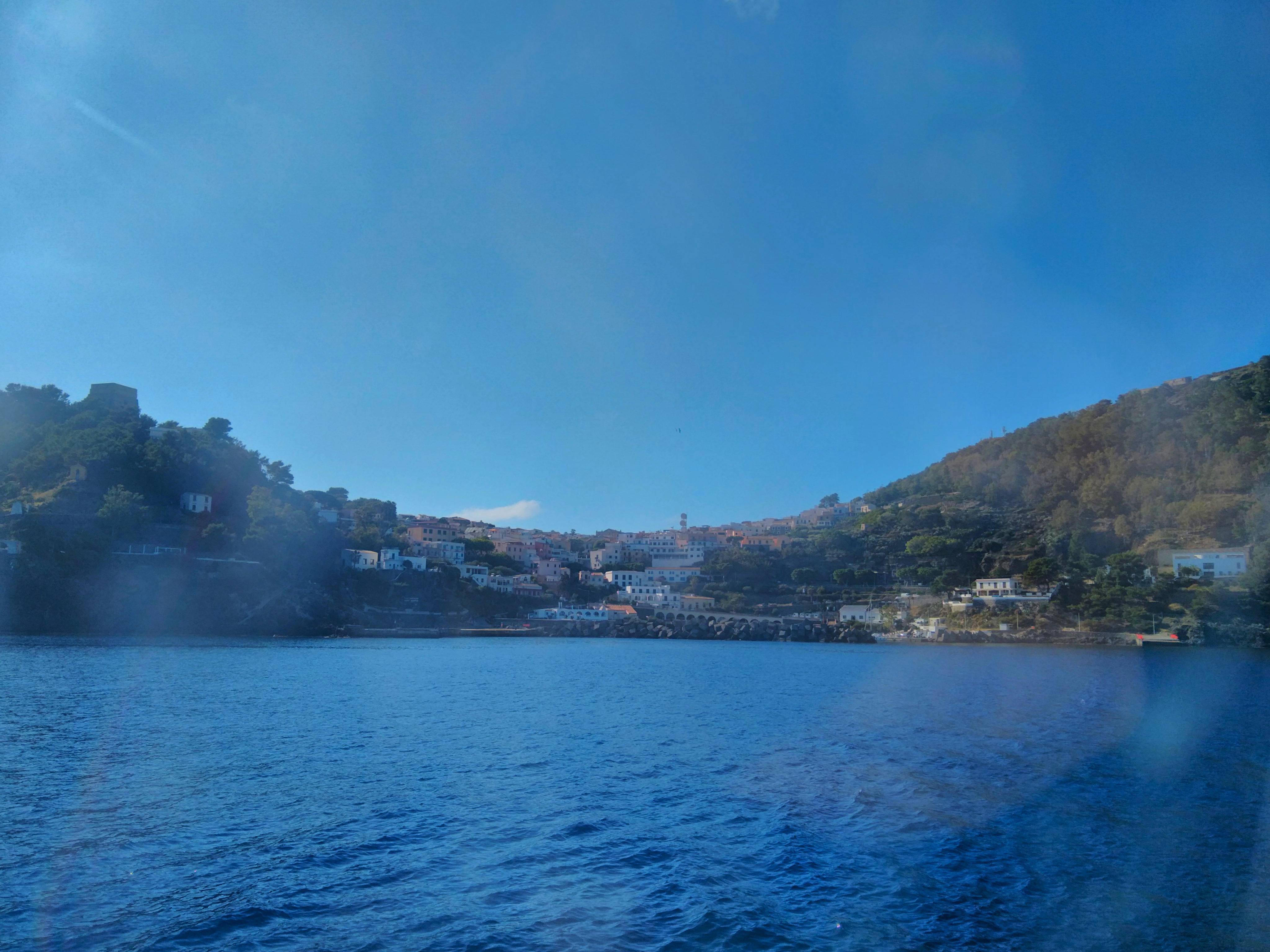
Ustica
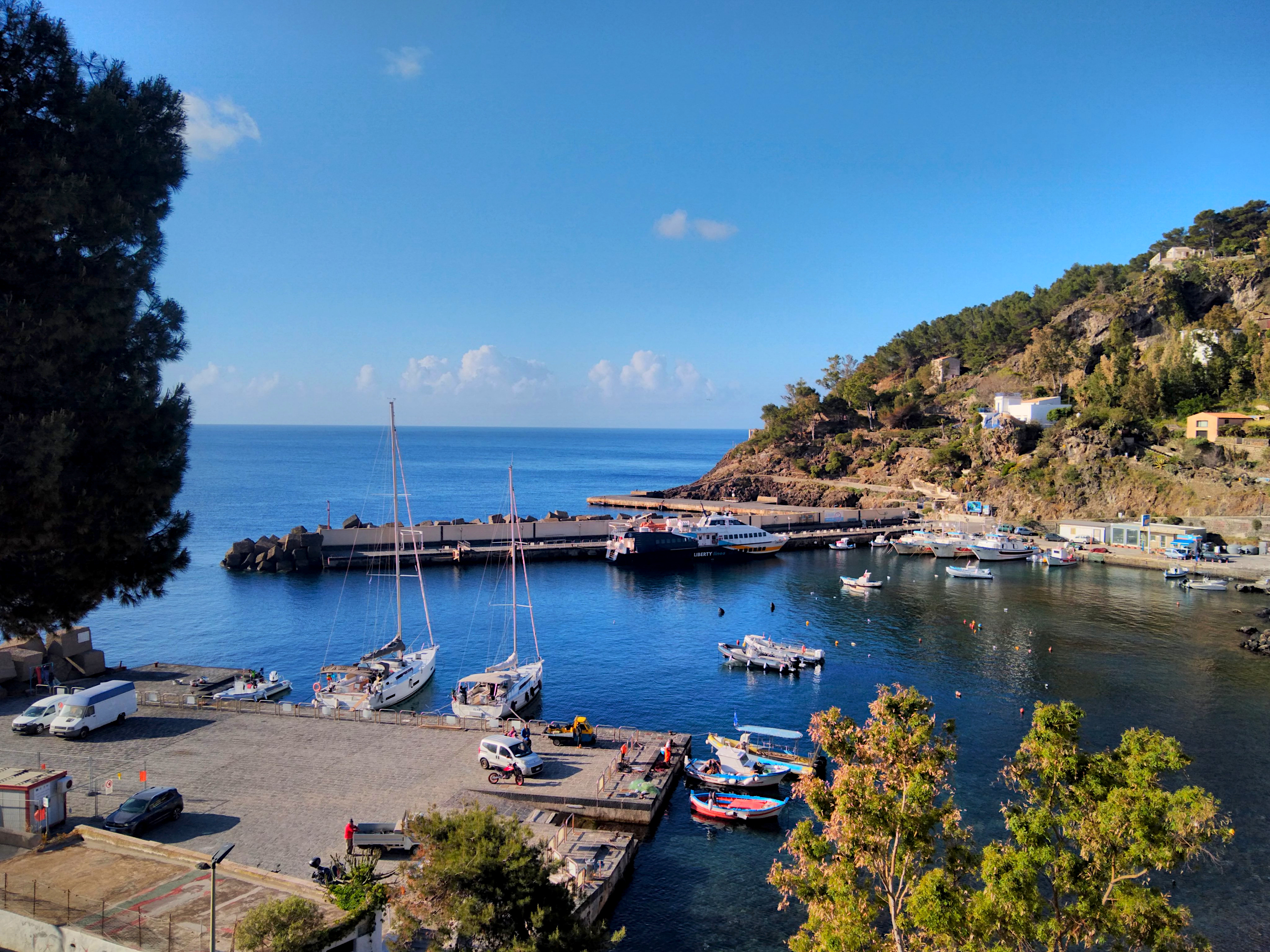
Whenever my itinerary includes large cities — which are not my favorite places, you should know by now, I can only take so much of them at a time — I must per forza intersperse escapes to remote places. As soon as I got to Sicily's capital and largest city, Palermo (one walk through La Loggia at night, with the incessant chatter of the Italian evenings, was enough), I fled to the small volcanic island of Ustica, about 70km north towards the heart of the Tyrrhenian sea.
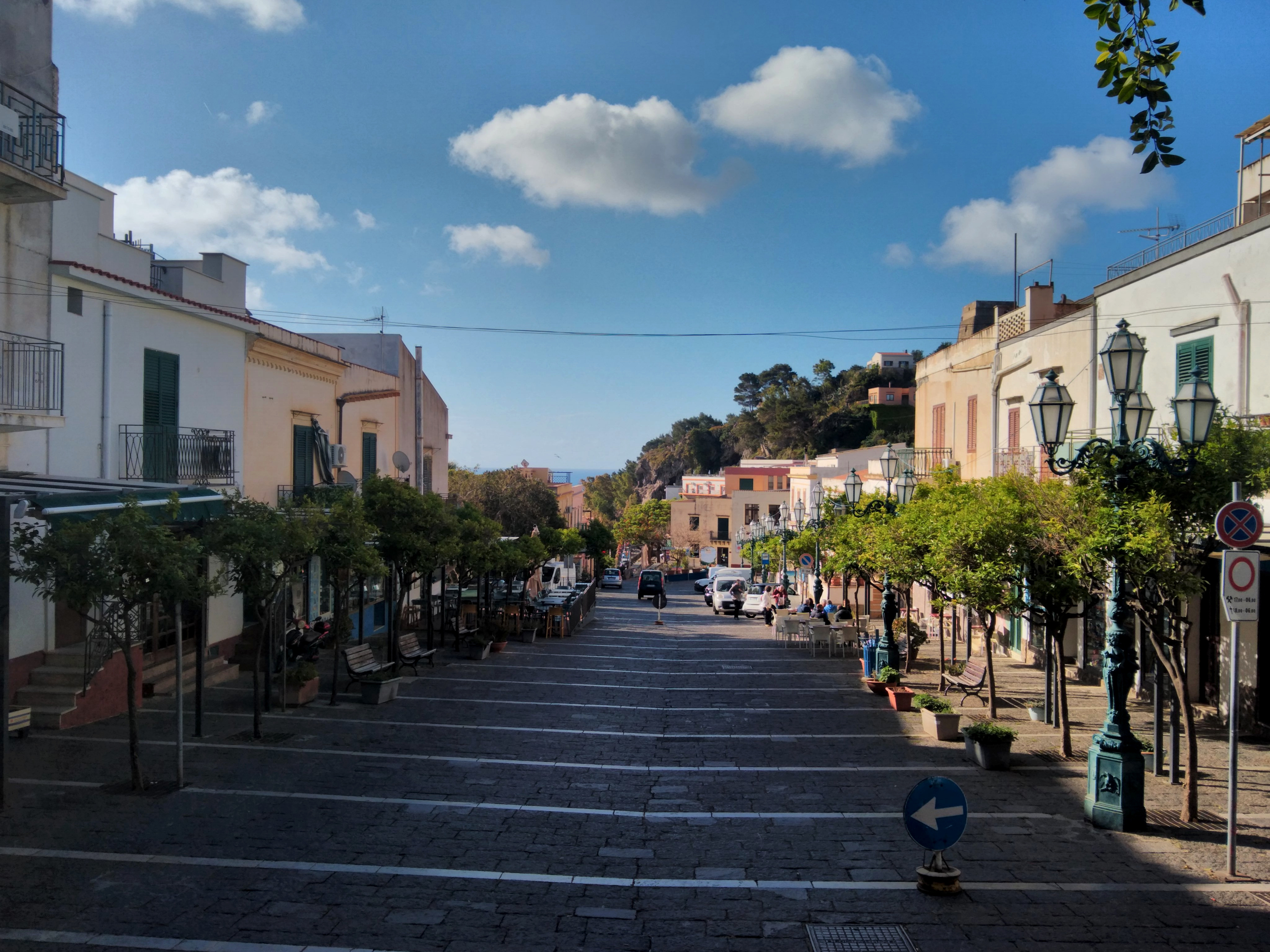
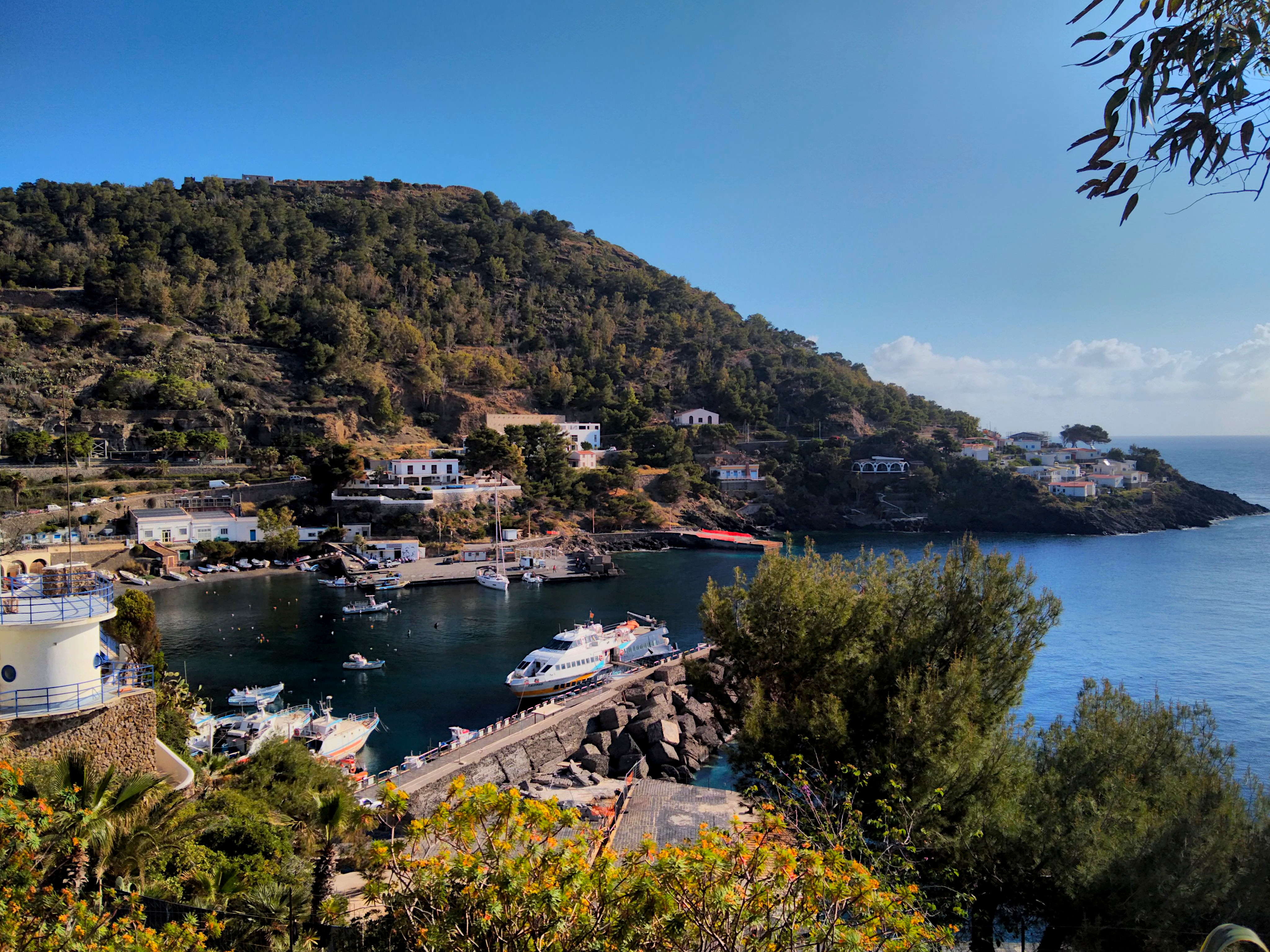
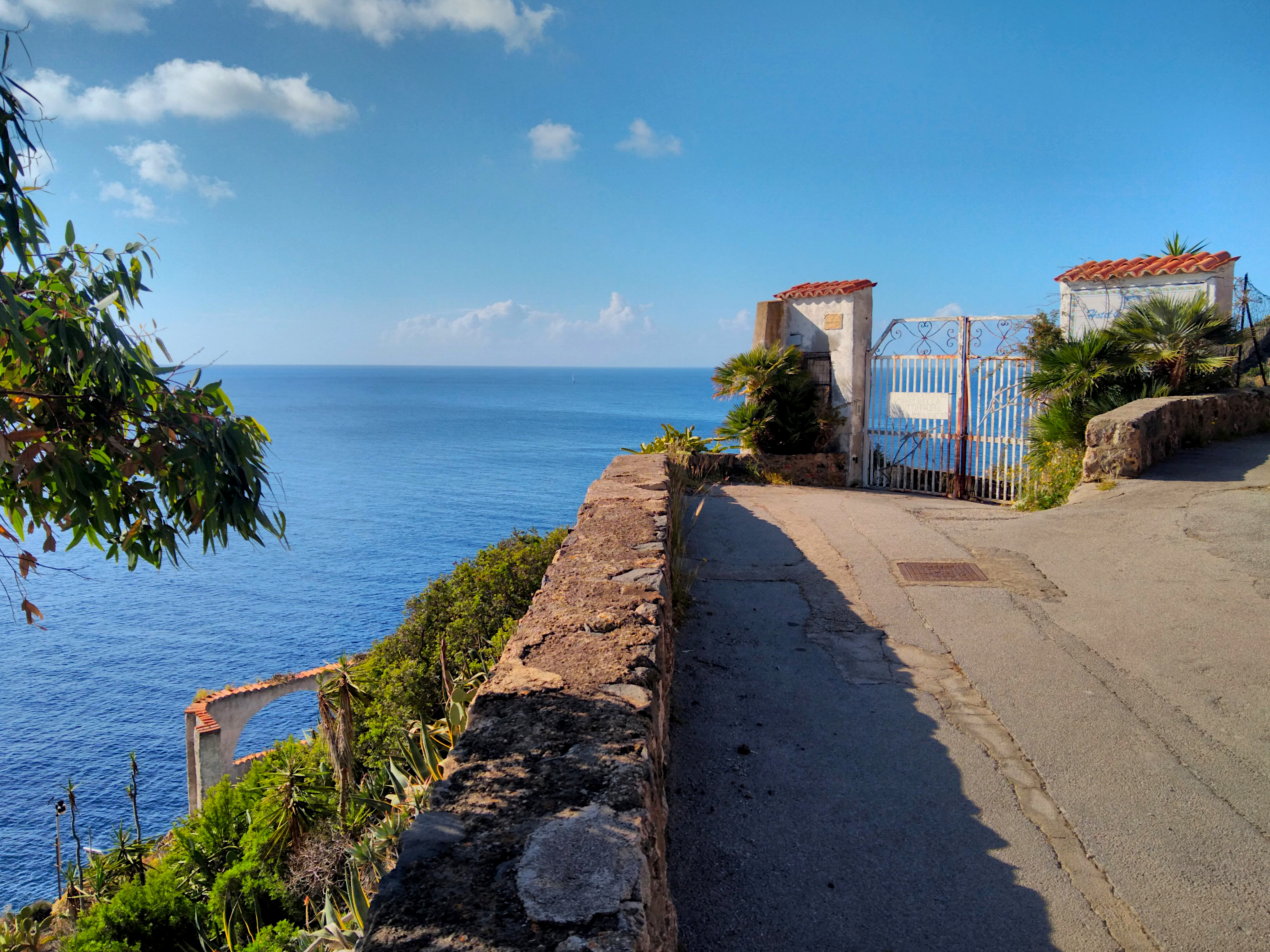
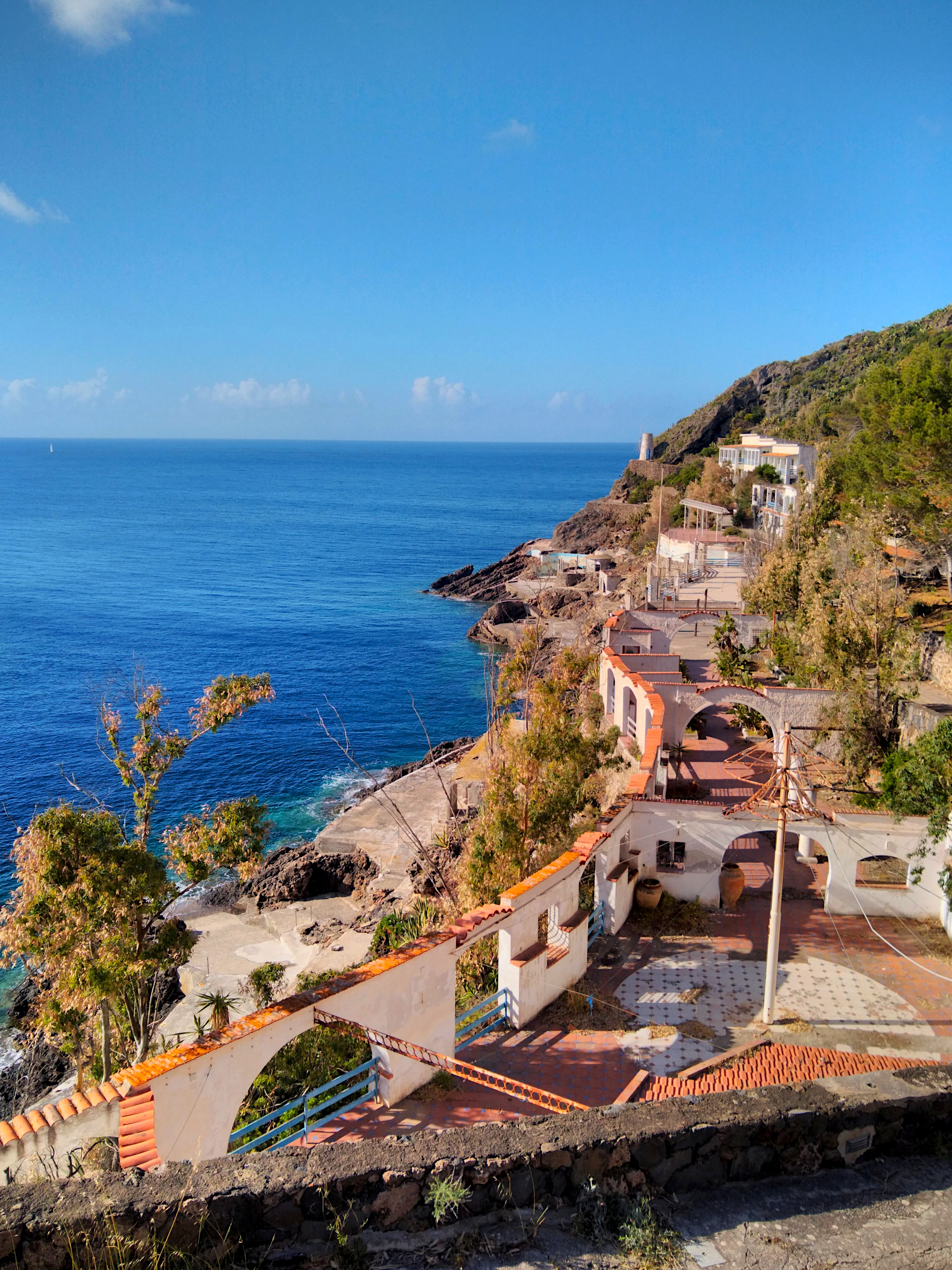
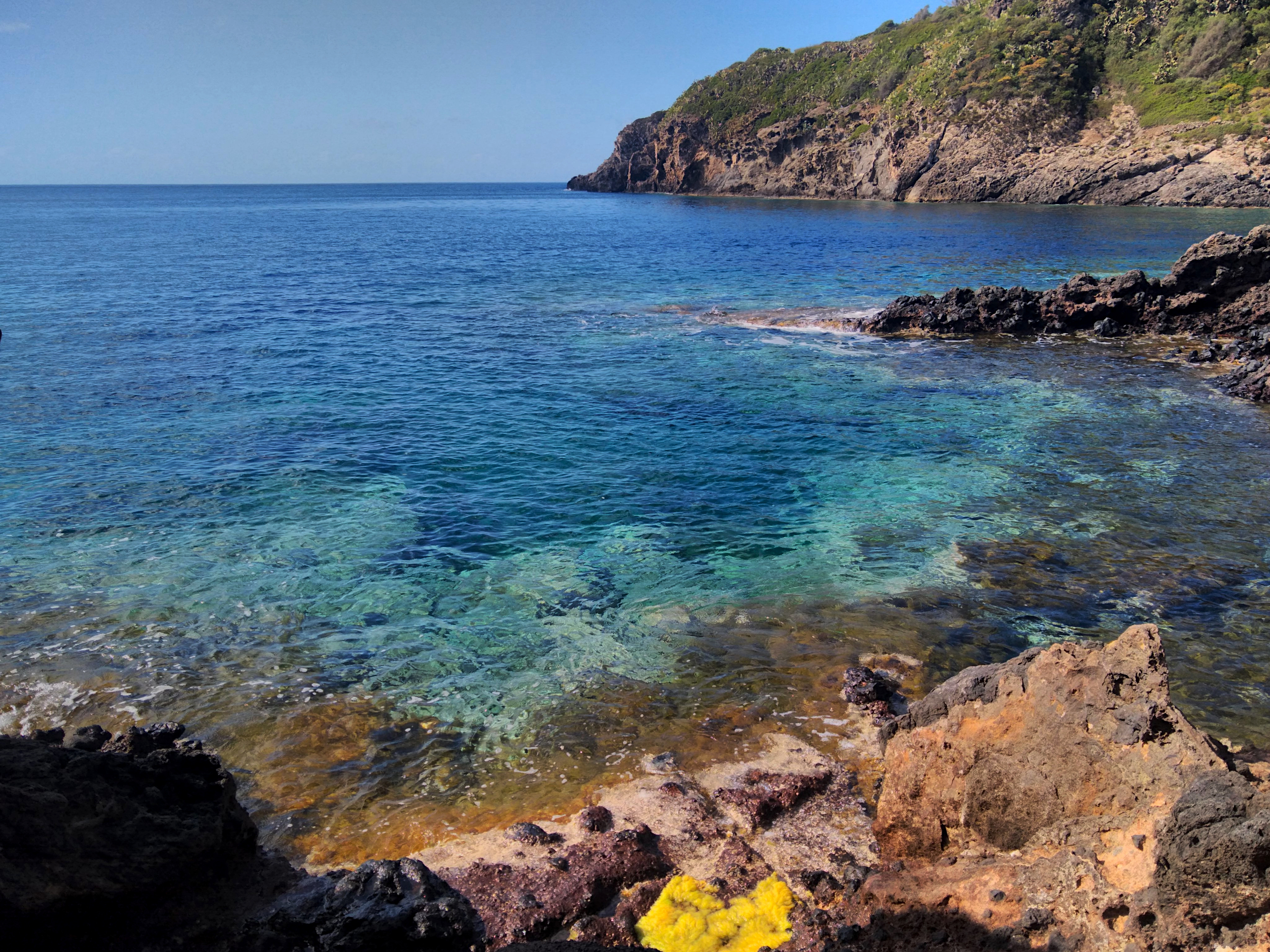
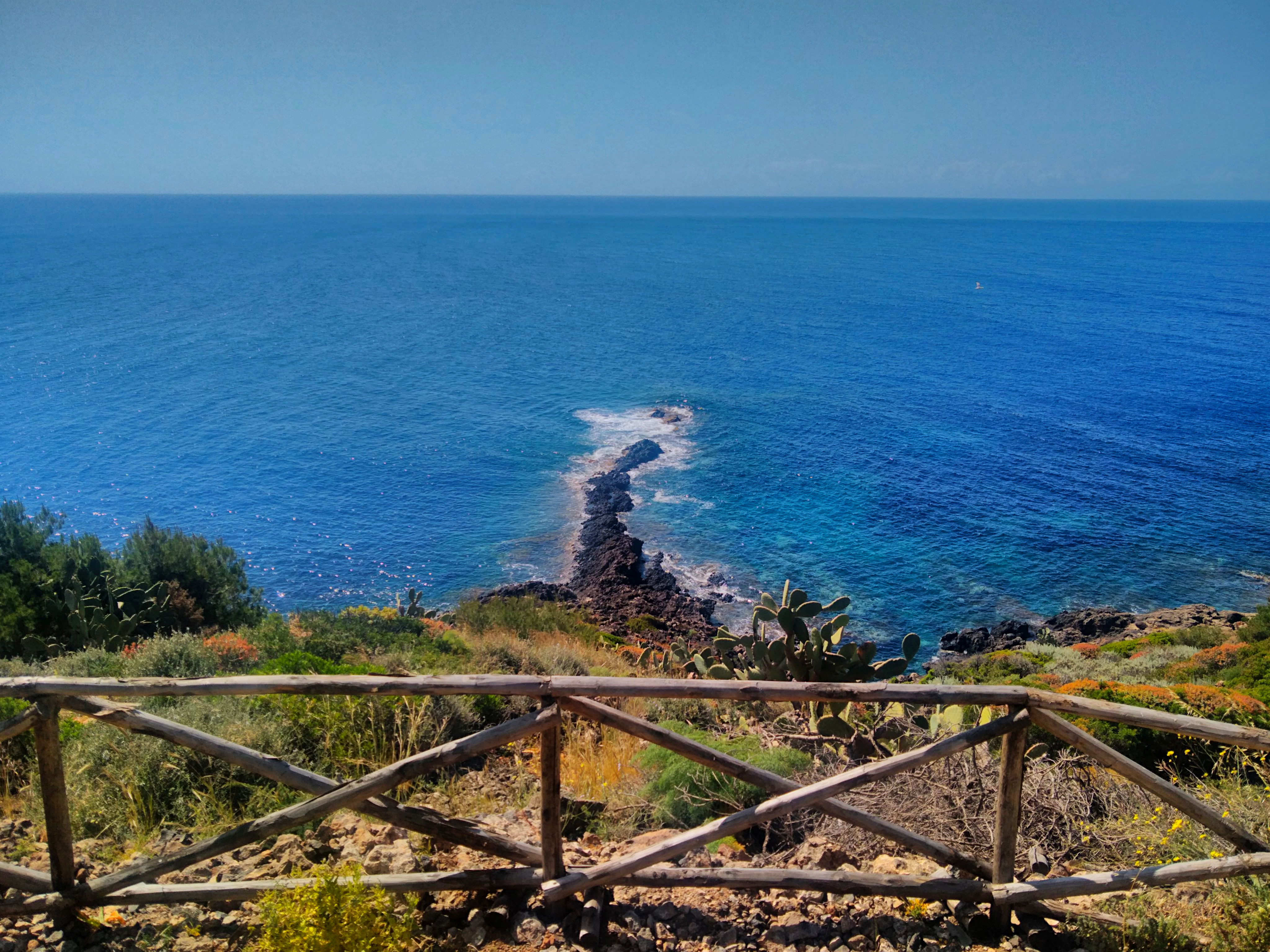
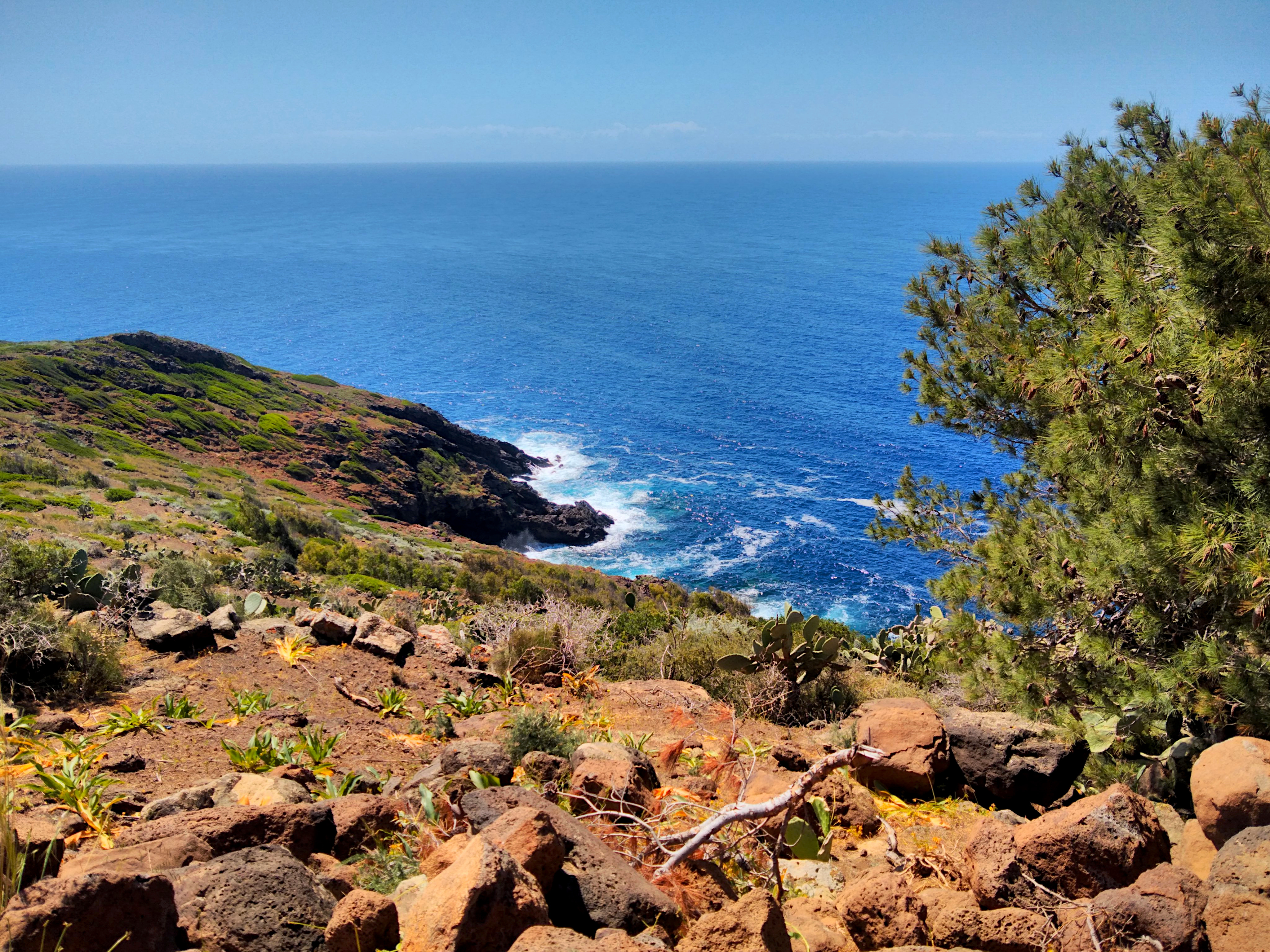
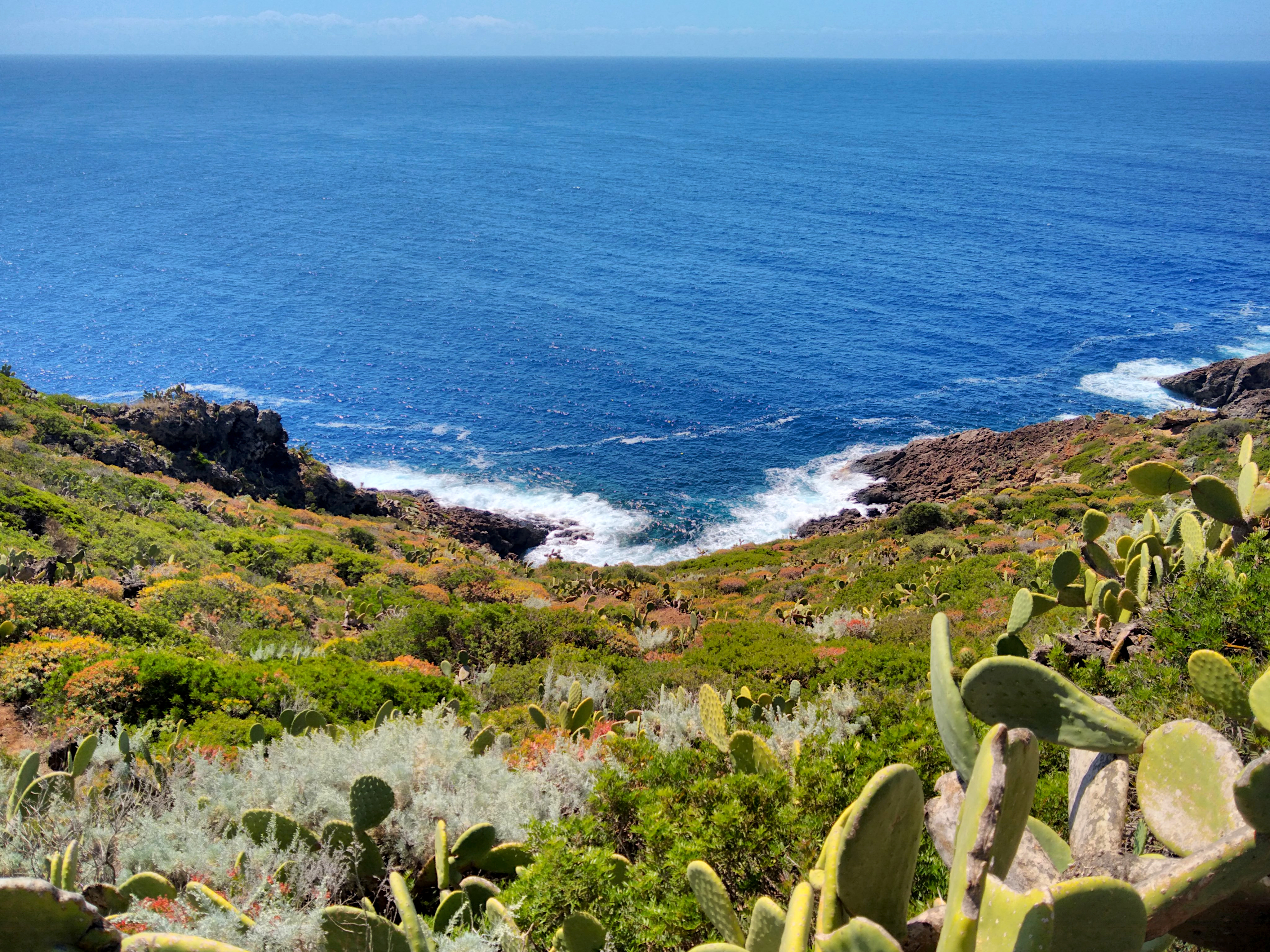
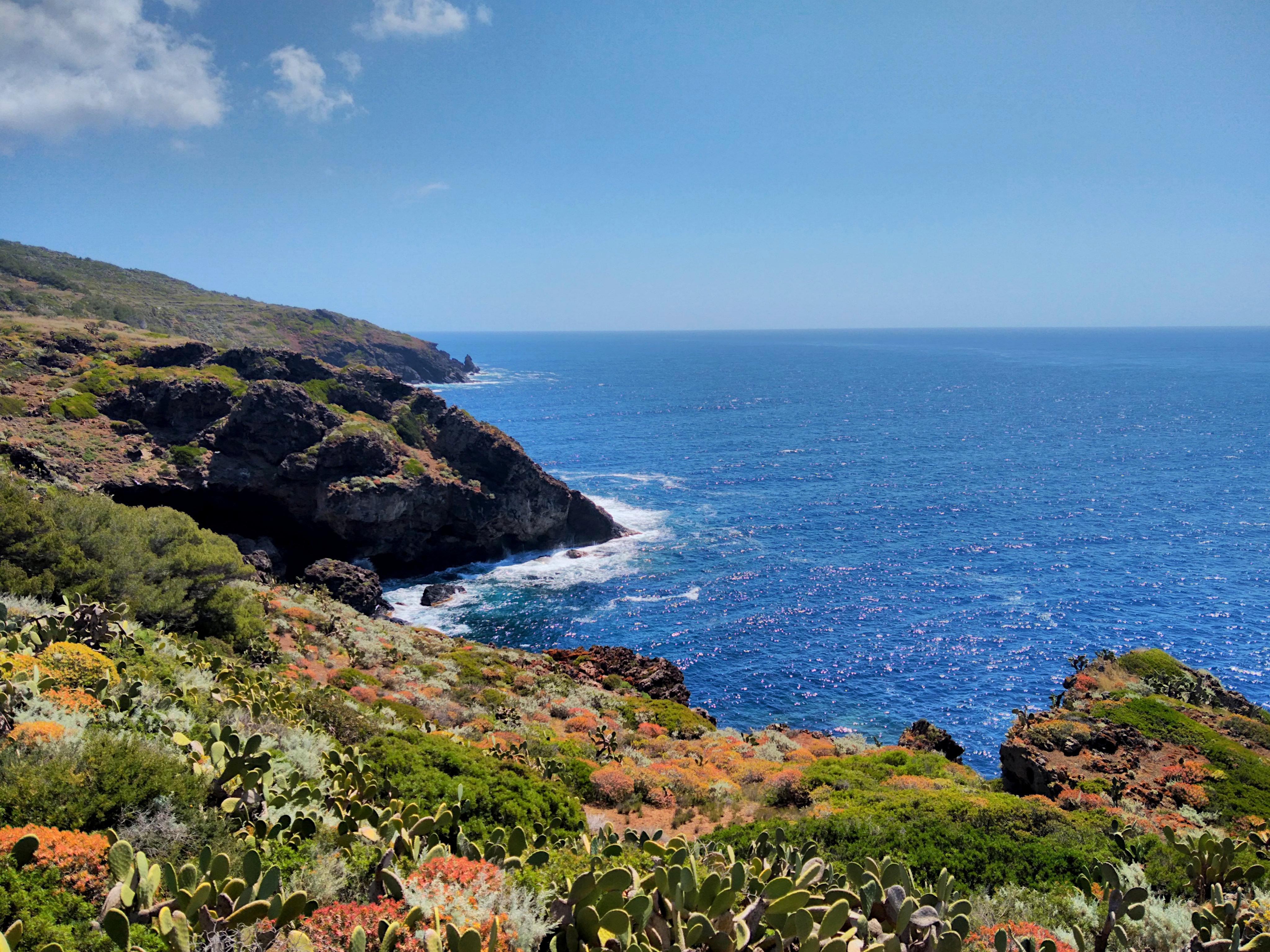
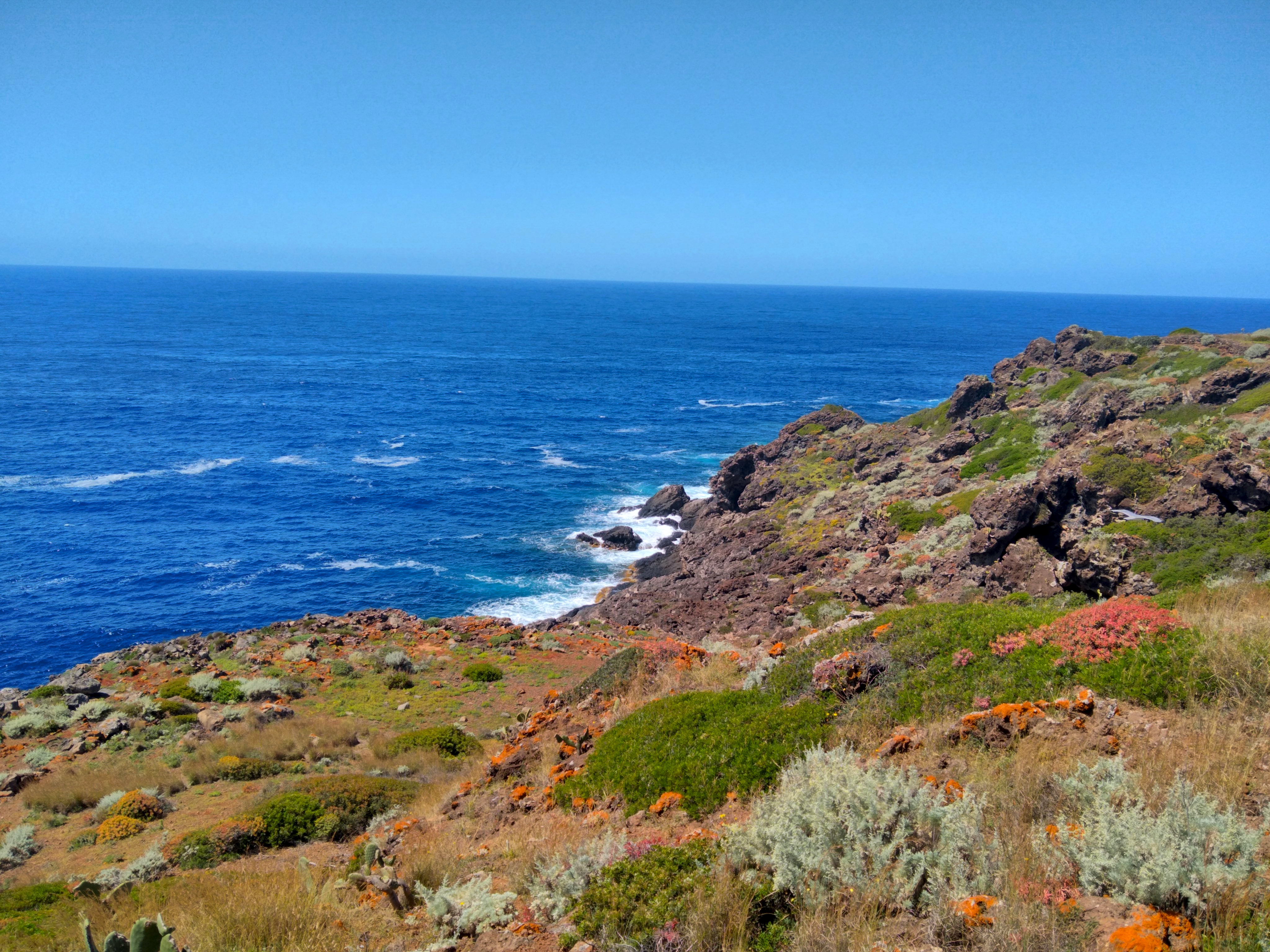
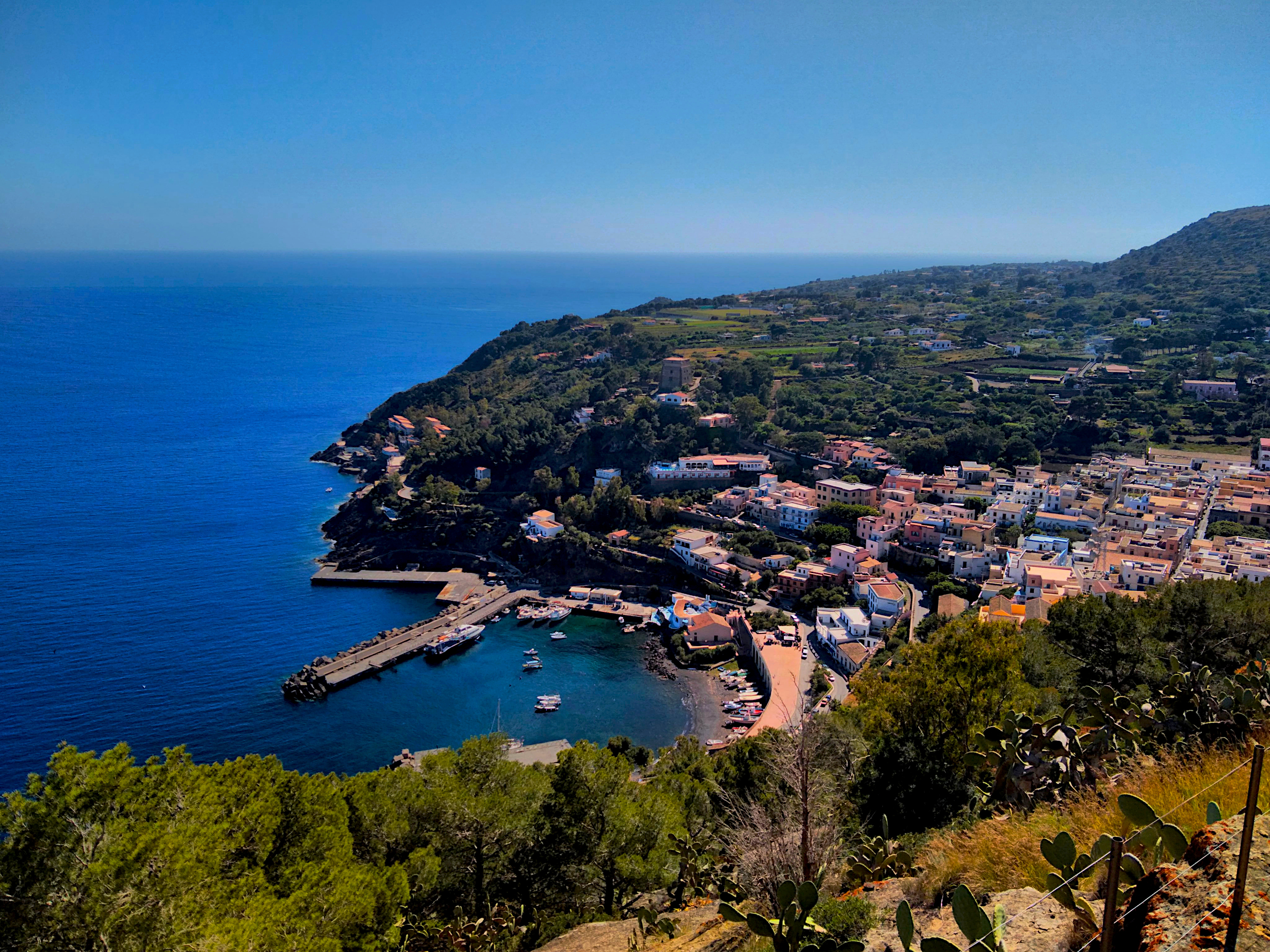
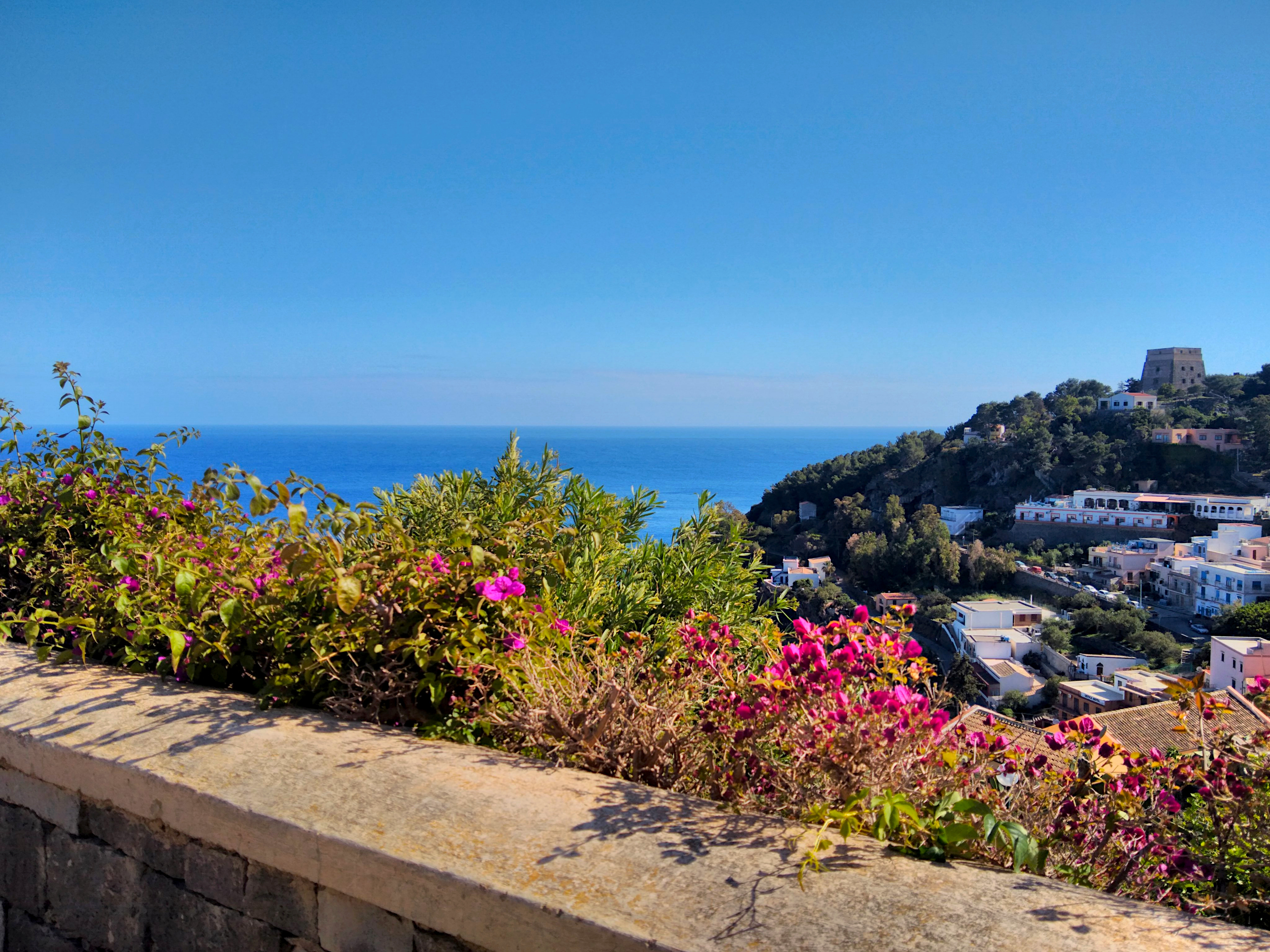
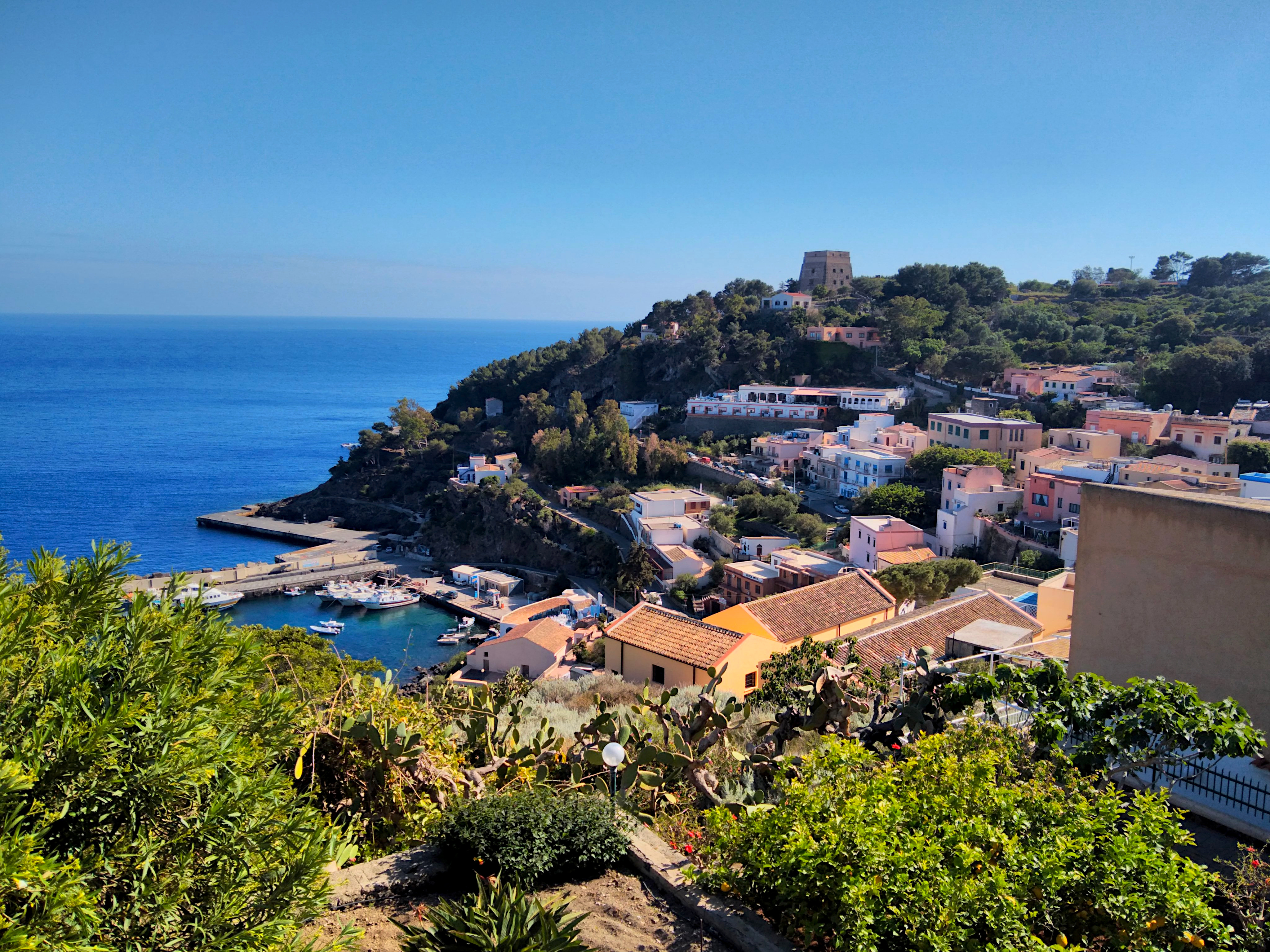
The island has only one inhabited center, a small town on the northeastern coast, but is otherwise practically empty (this was in spring, so safely before the unbearably hot and crowded season). There I spent the day walking the trails that cross the island, exploring ancient ruins, climbing volcanic rocks, and refreshing in crystalline waters or under the shade of exotic vegetation when the Sicilian heat got too intense (I still got badly sunburned), all the while being by myself for nearly the entire day, with no one around as far as the eye could see. A day in paradise.
According to some interpretations of the Homeric geographical descriptions, this is the ancient Aeaea, the island of the goddess Circe, the beautiful sorceress whose cunning turned incautious sailors into swine. Odysseus, with the help of the goddess of wisdom, Athena, is not affected by the enchantments, but becomes her lover. After he spends a year on the island, she teaches him the way to Hades, the Greek underworld, the next step of the epic νόστος, his long journey home.
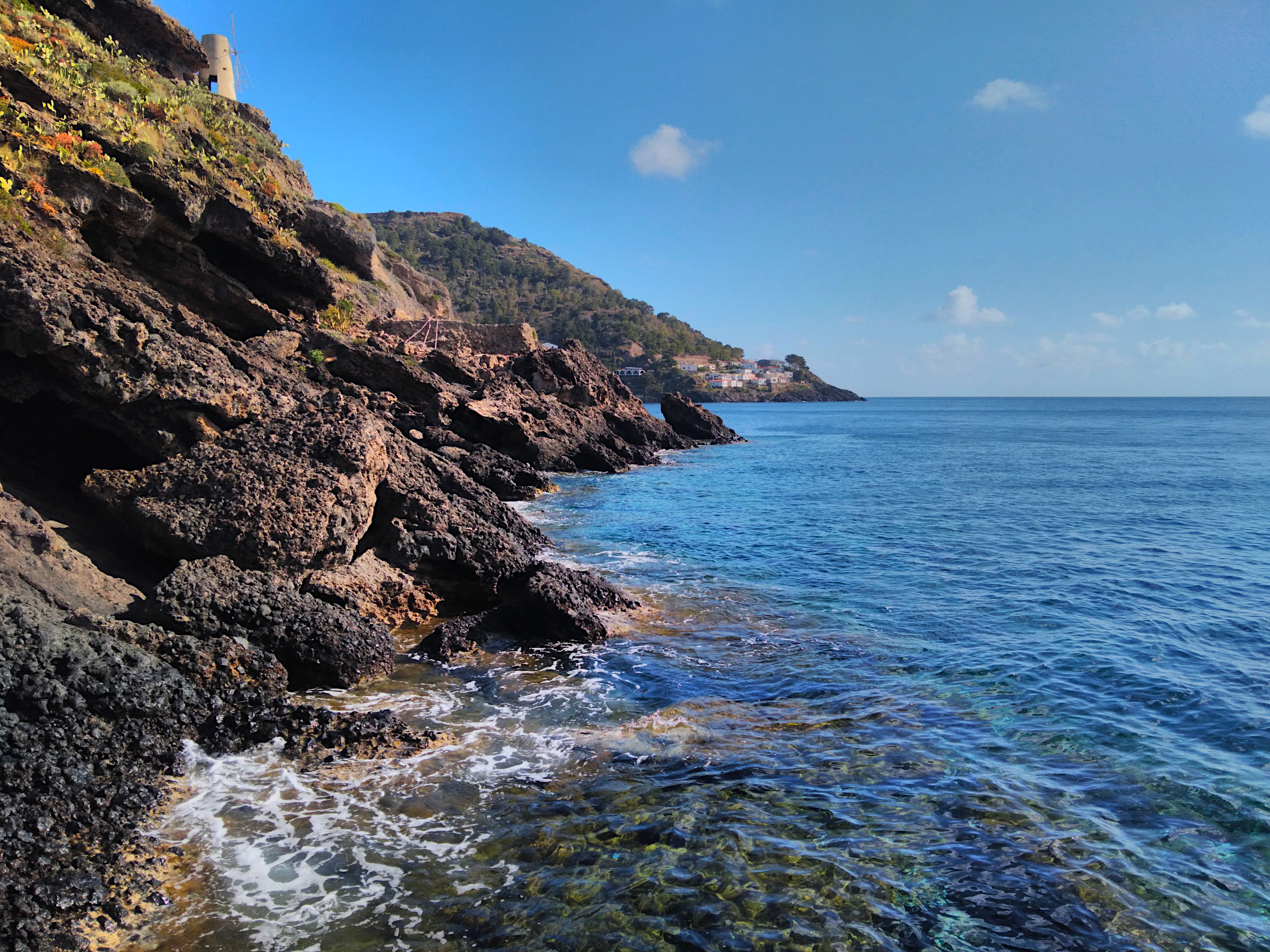
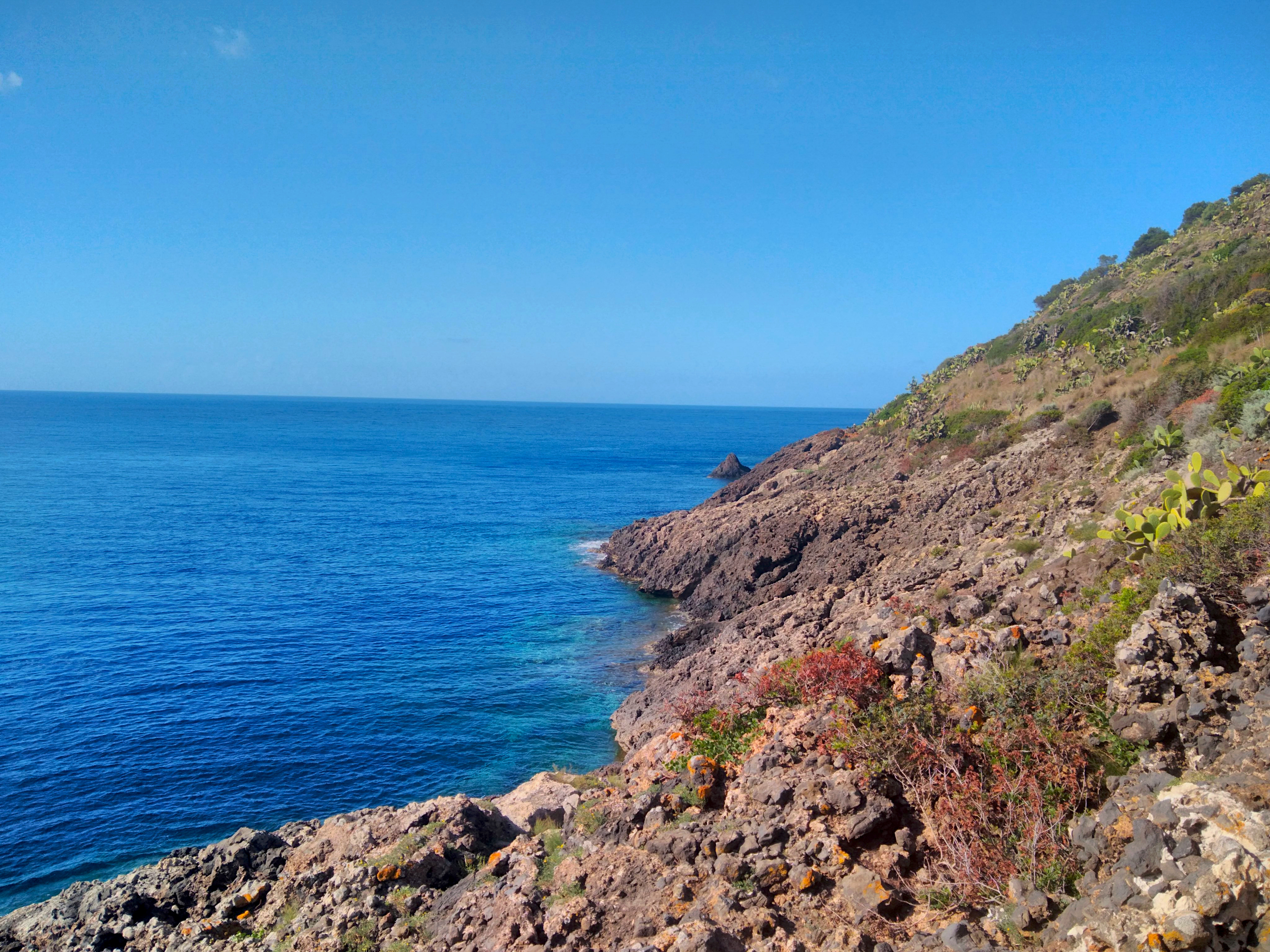
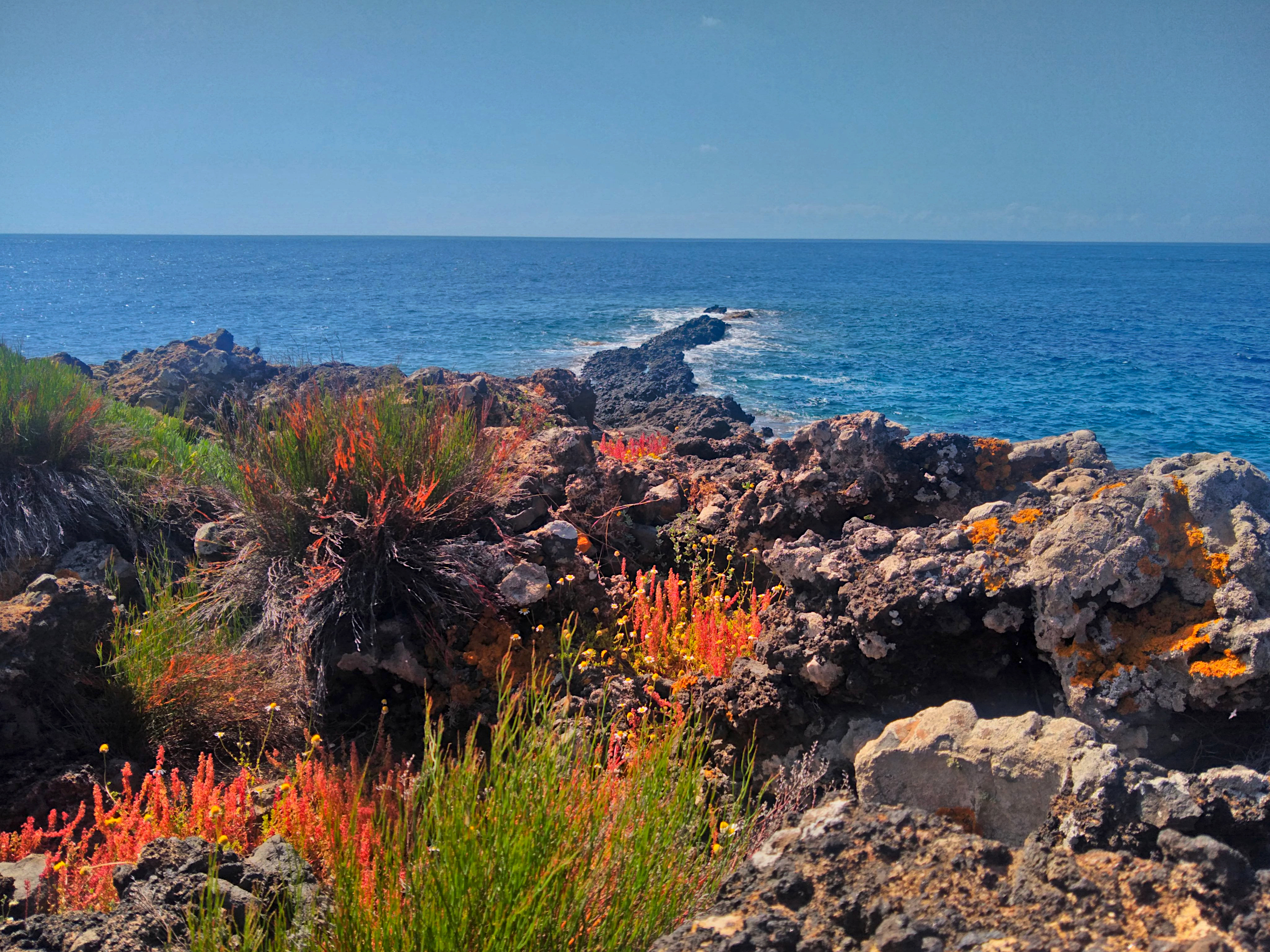
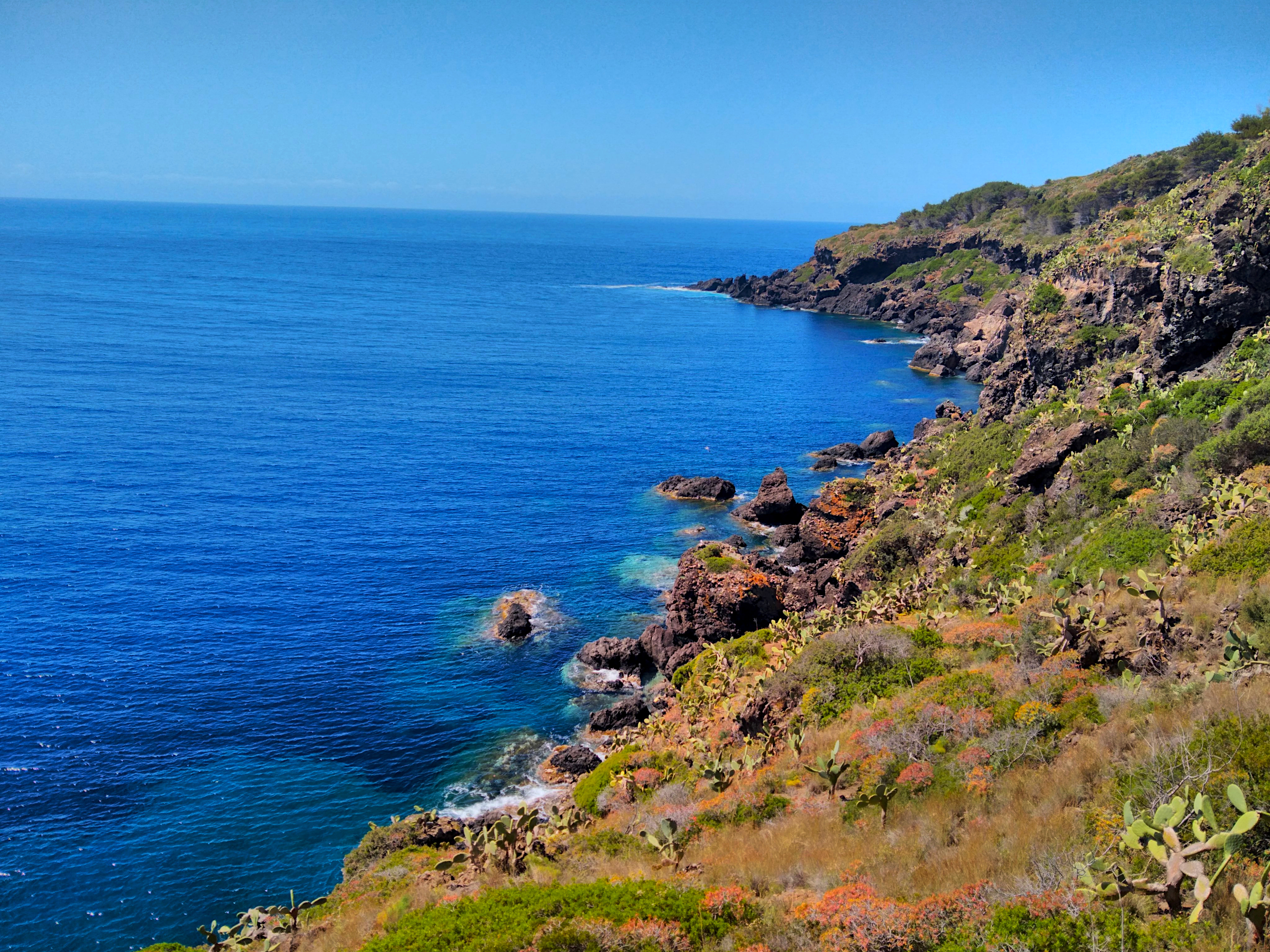
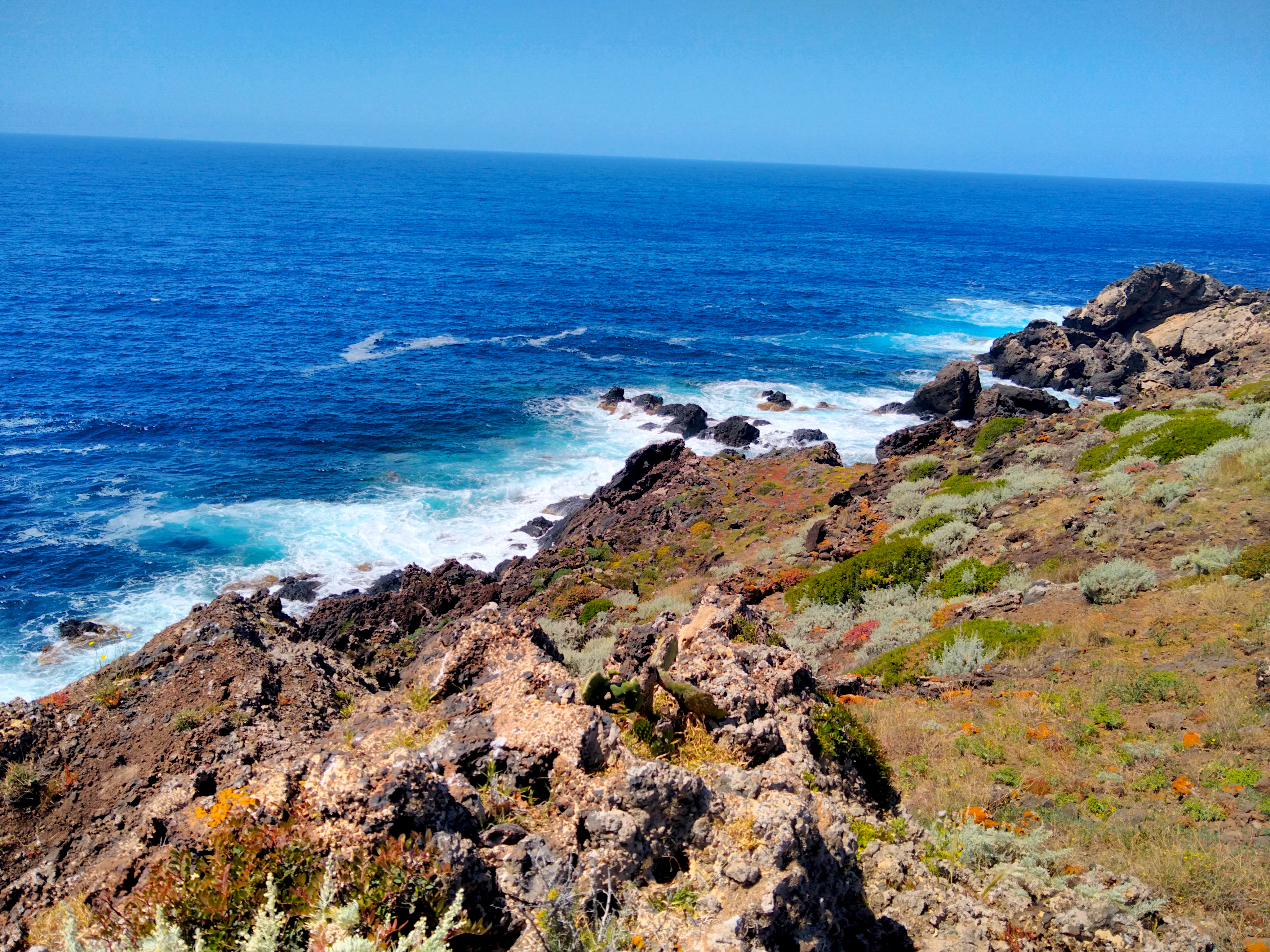
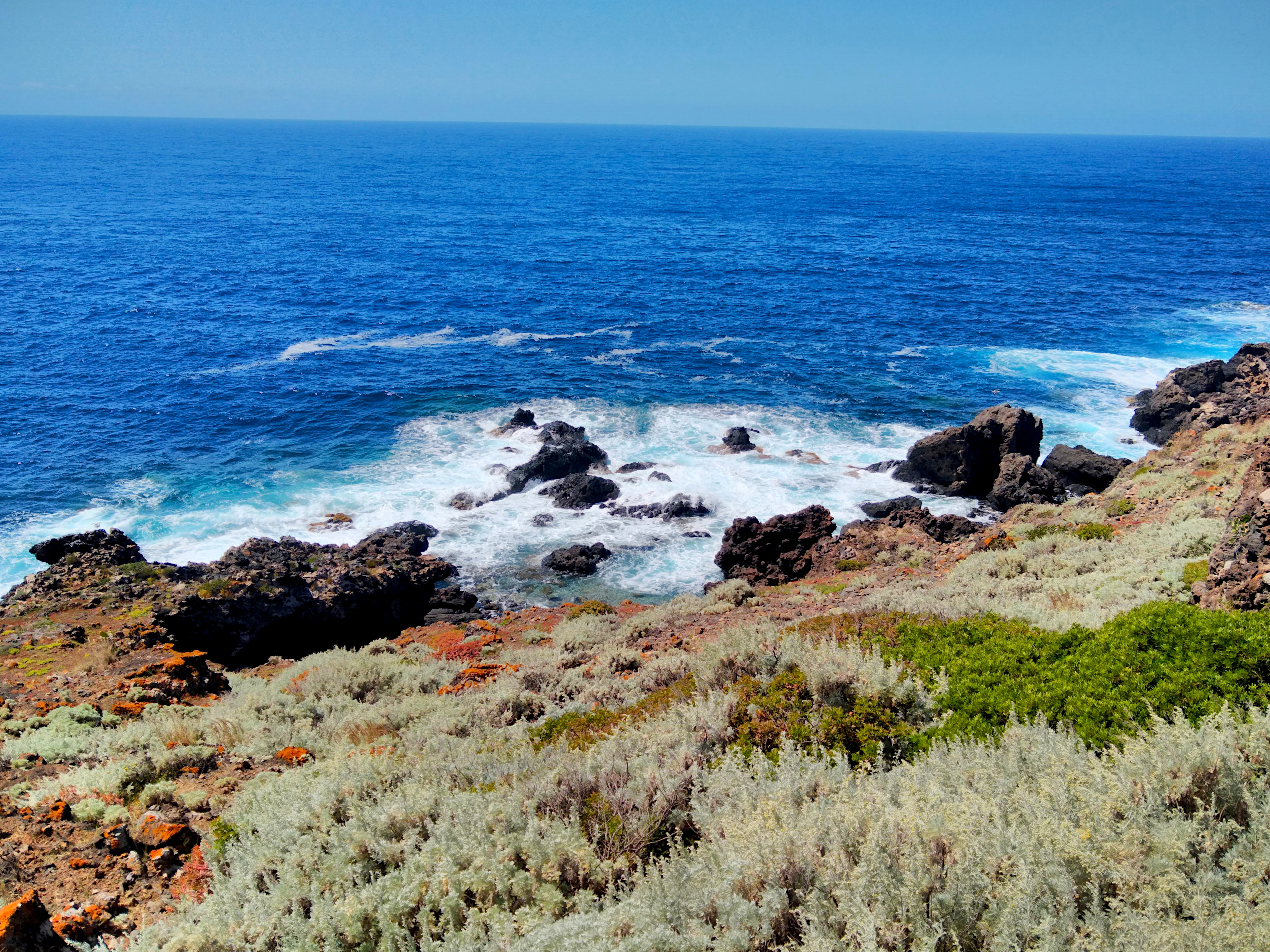
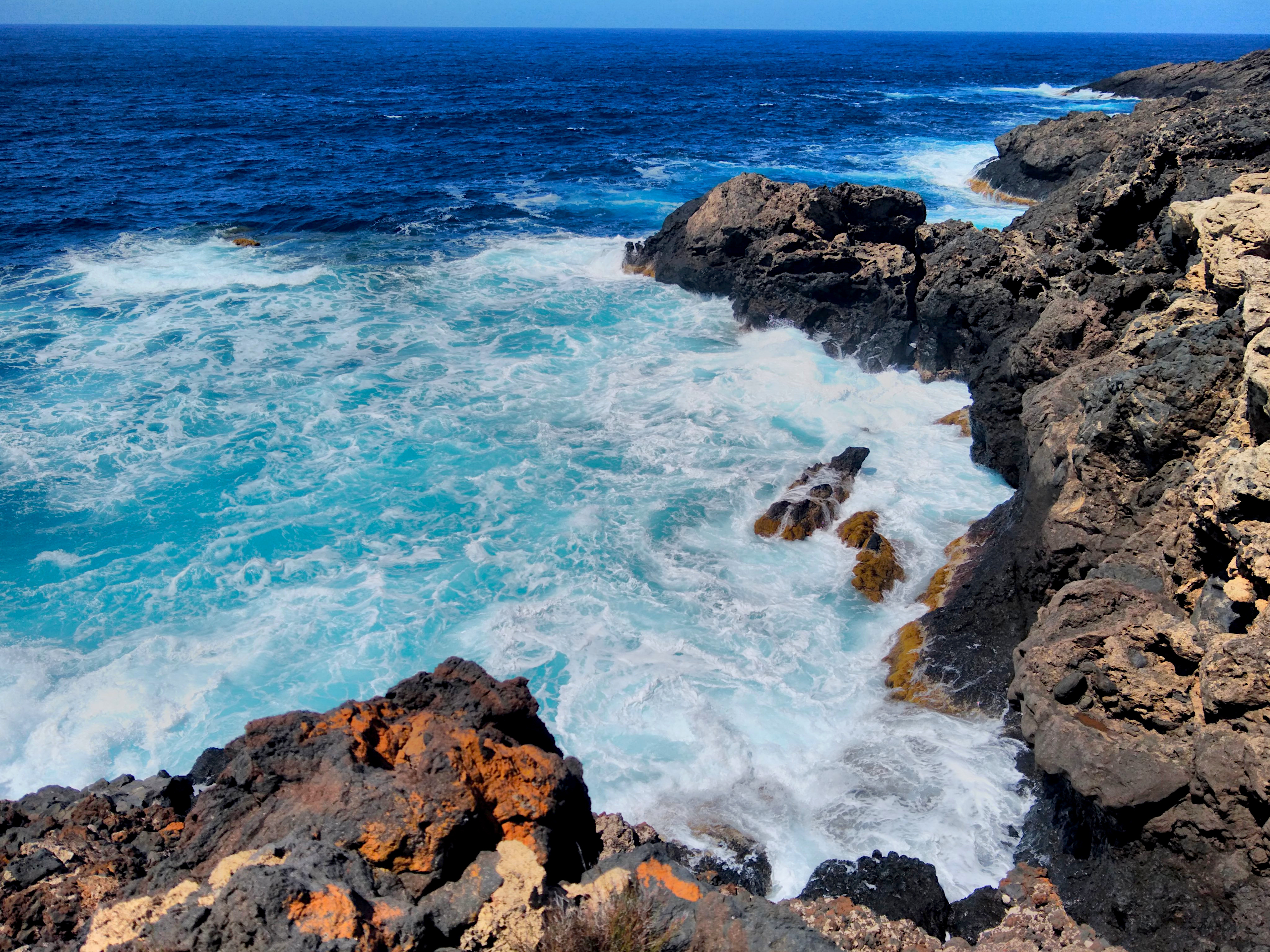
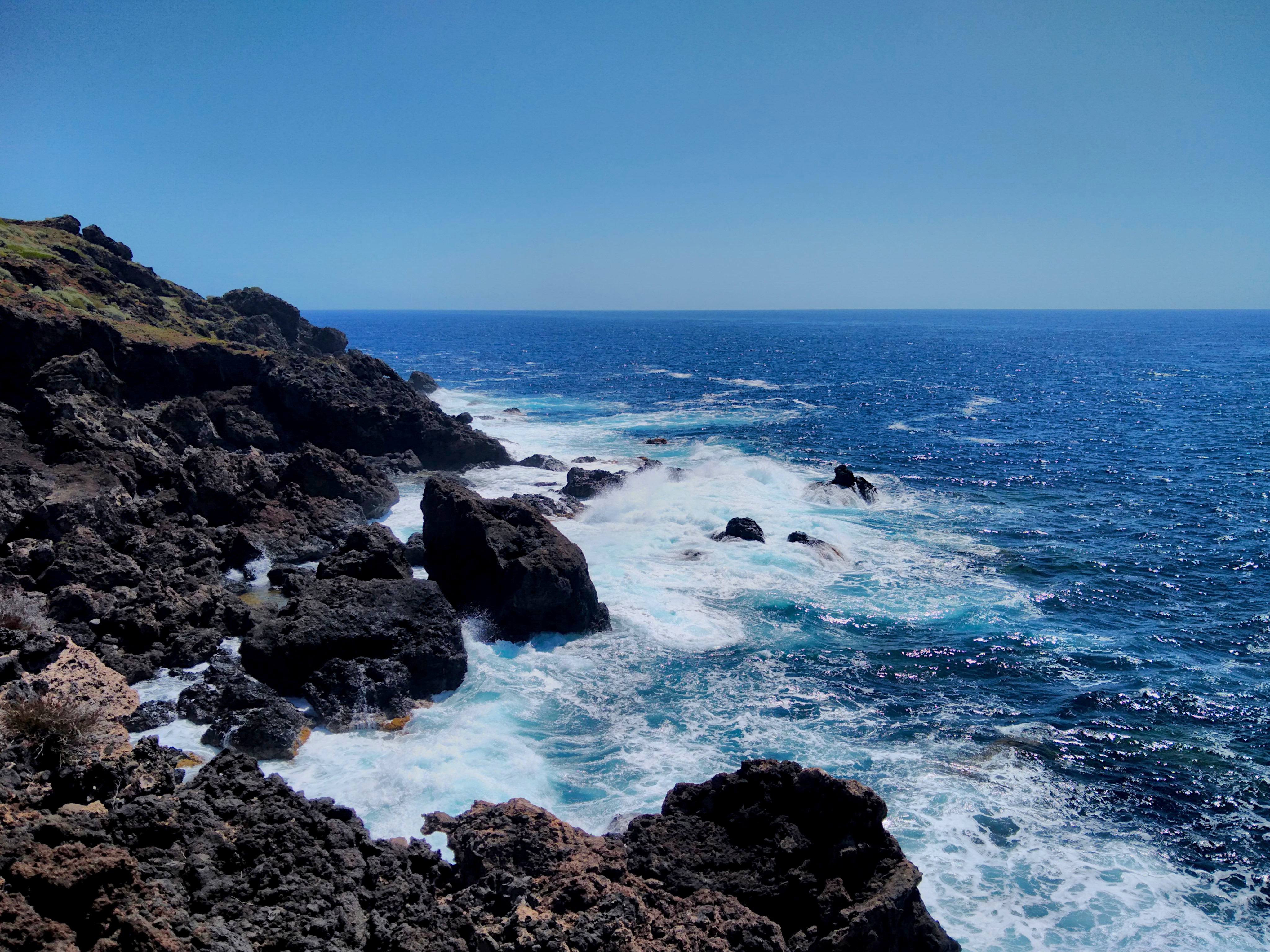
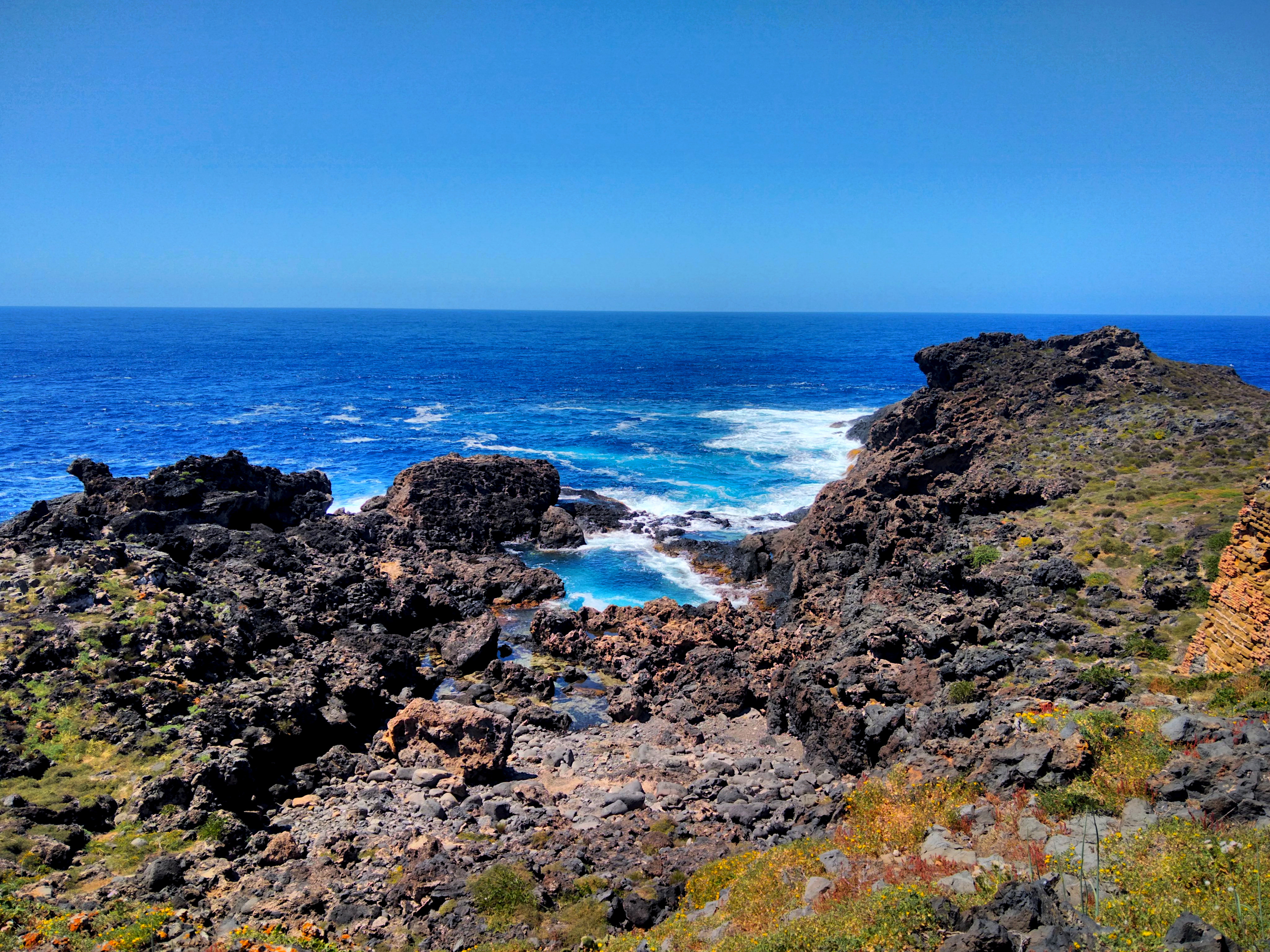
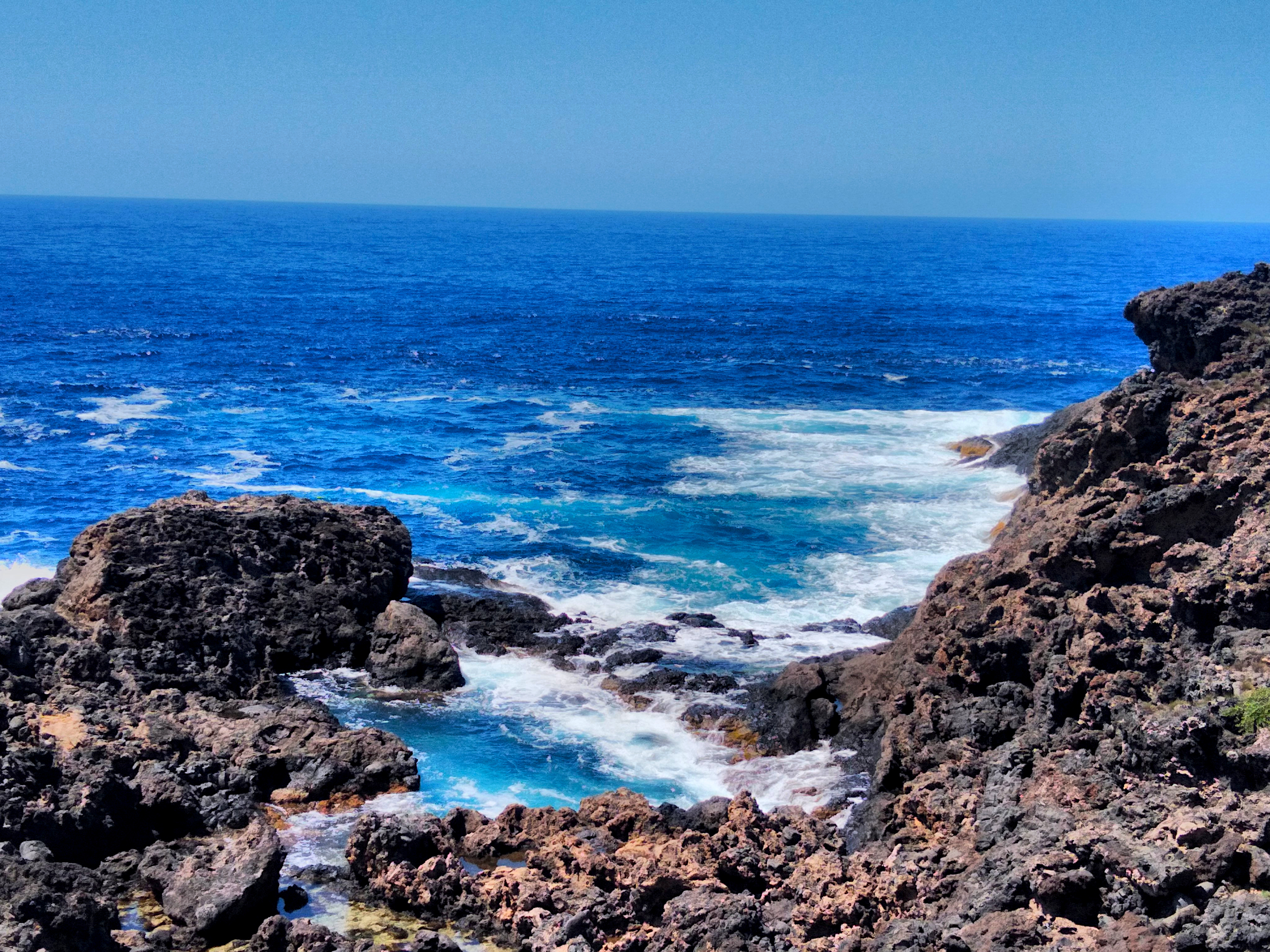
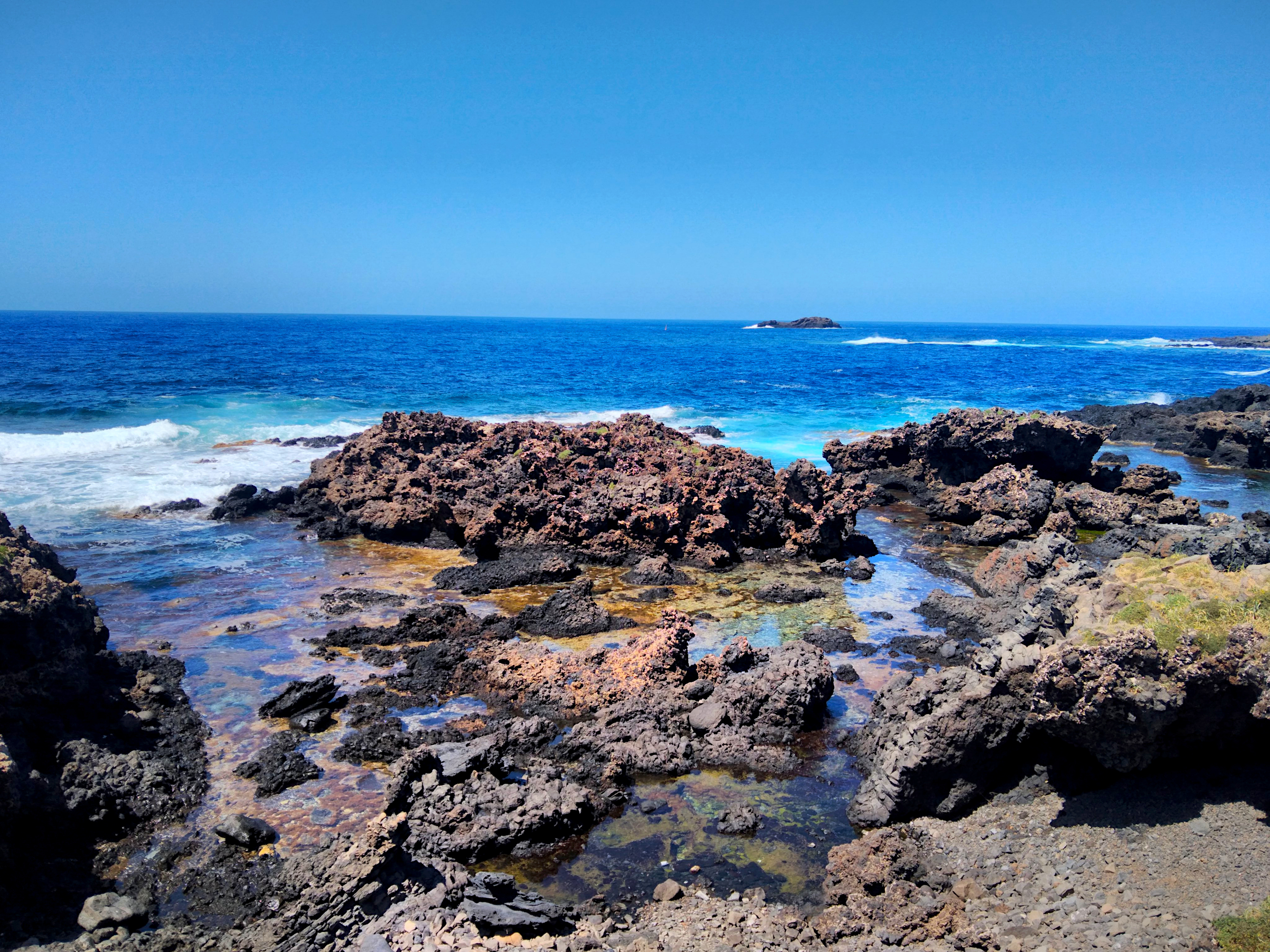
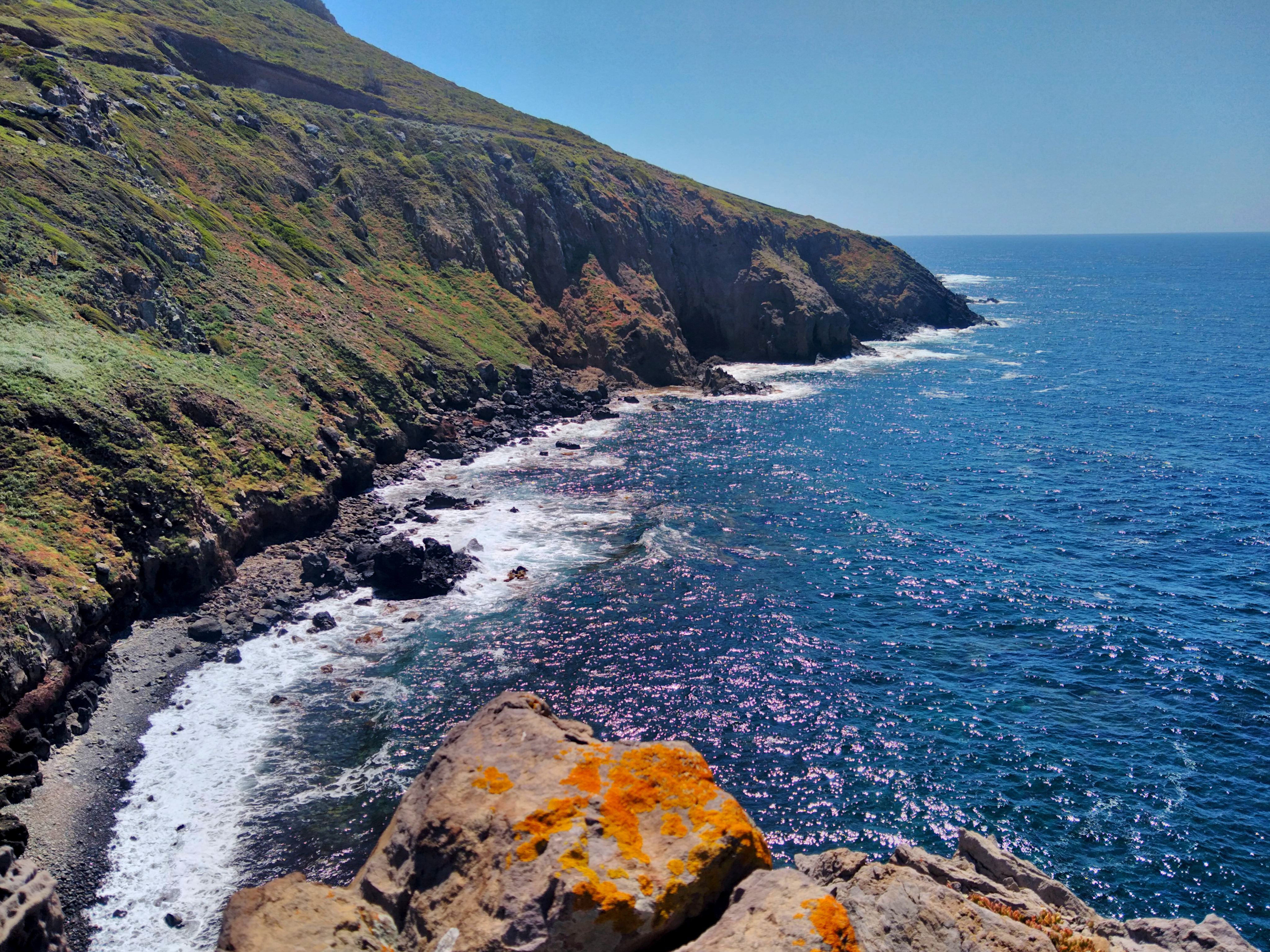
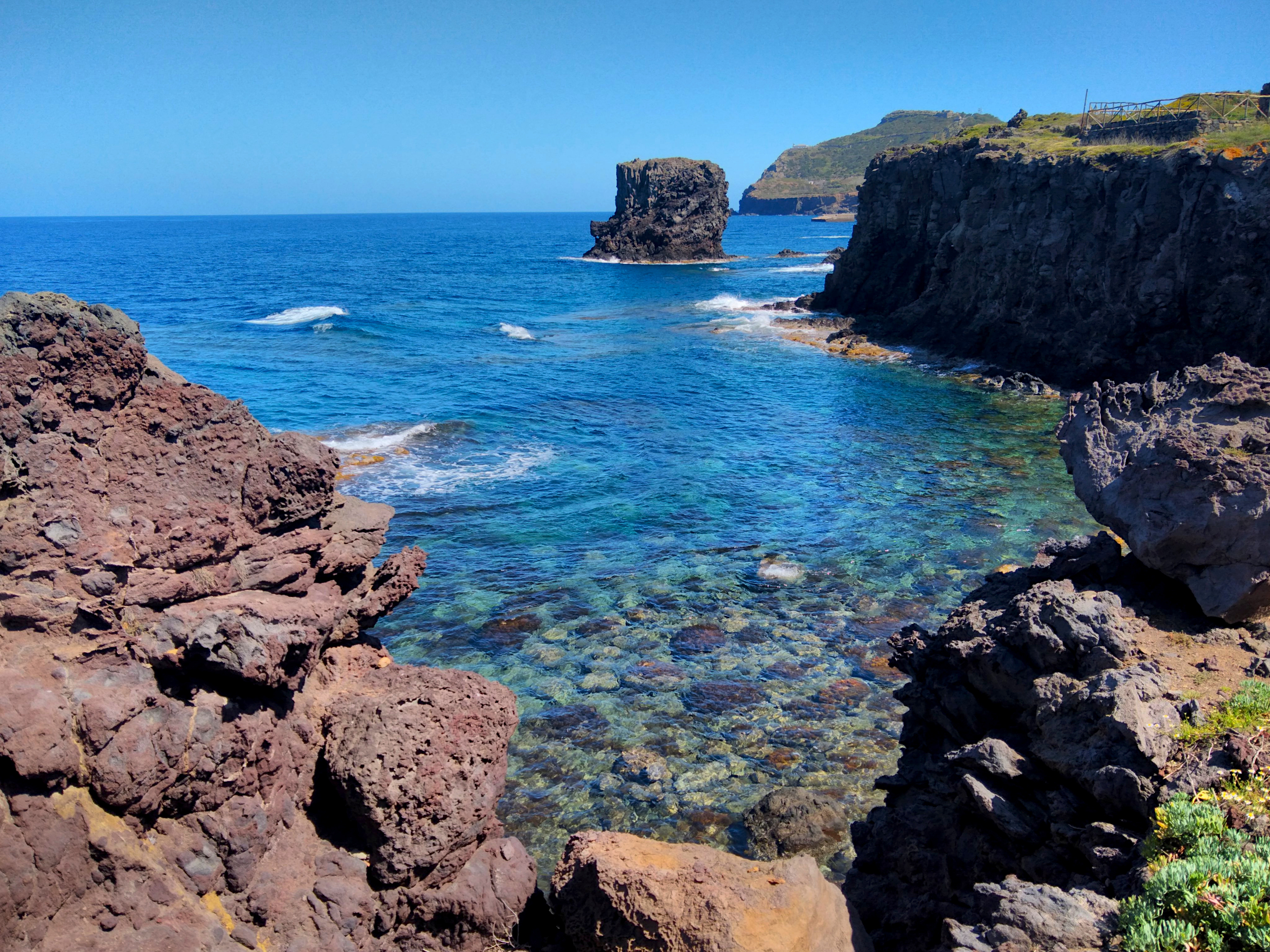
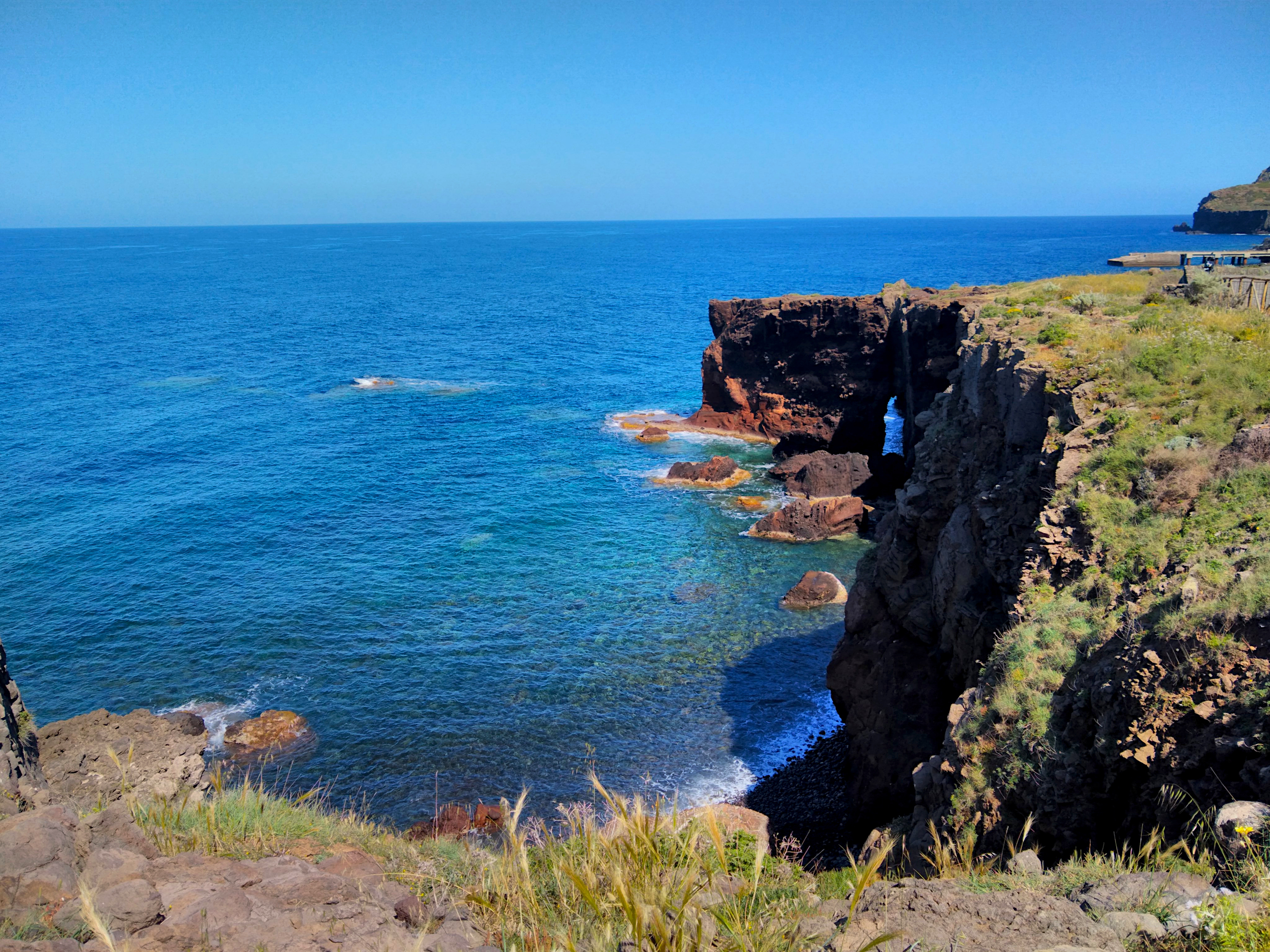
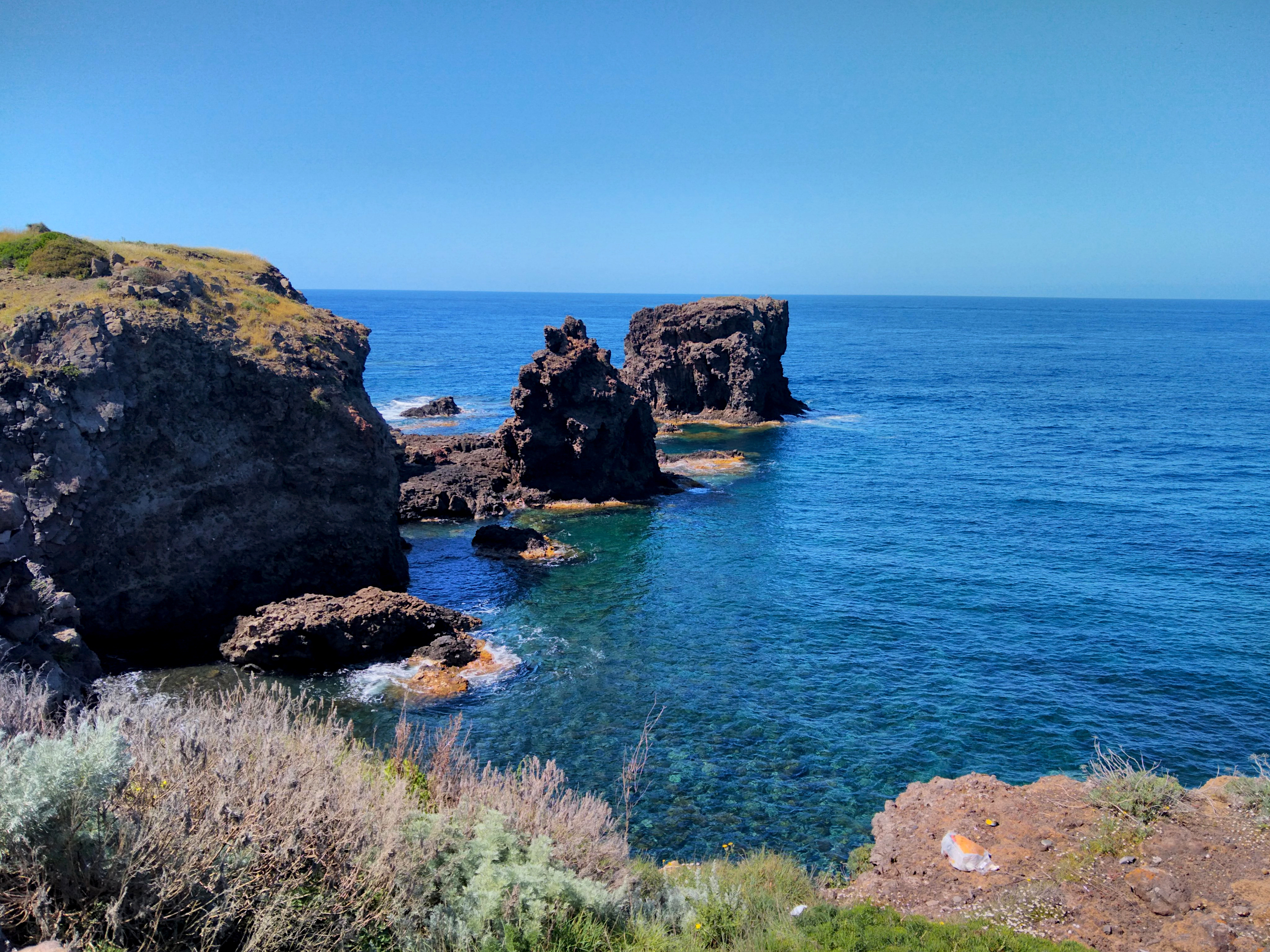
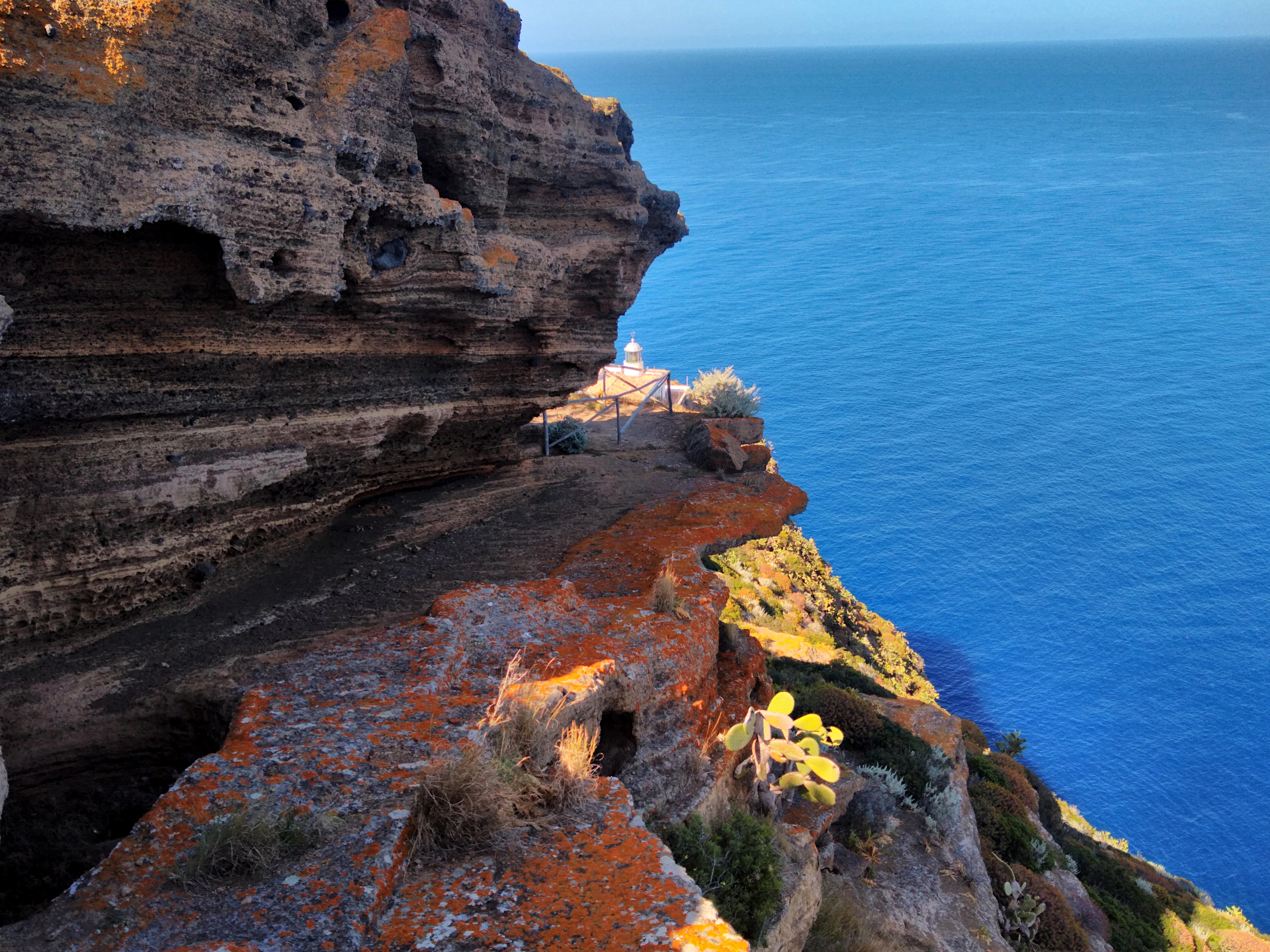
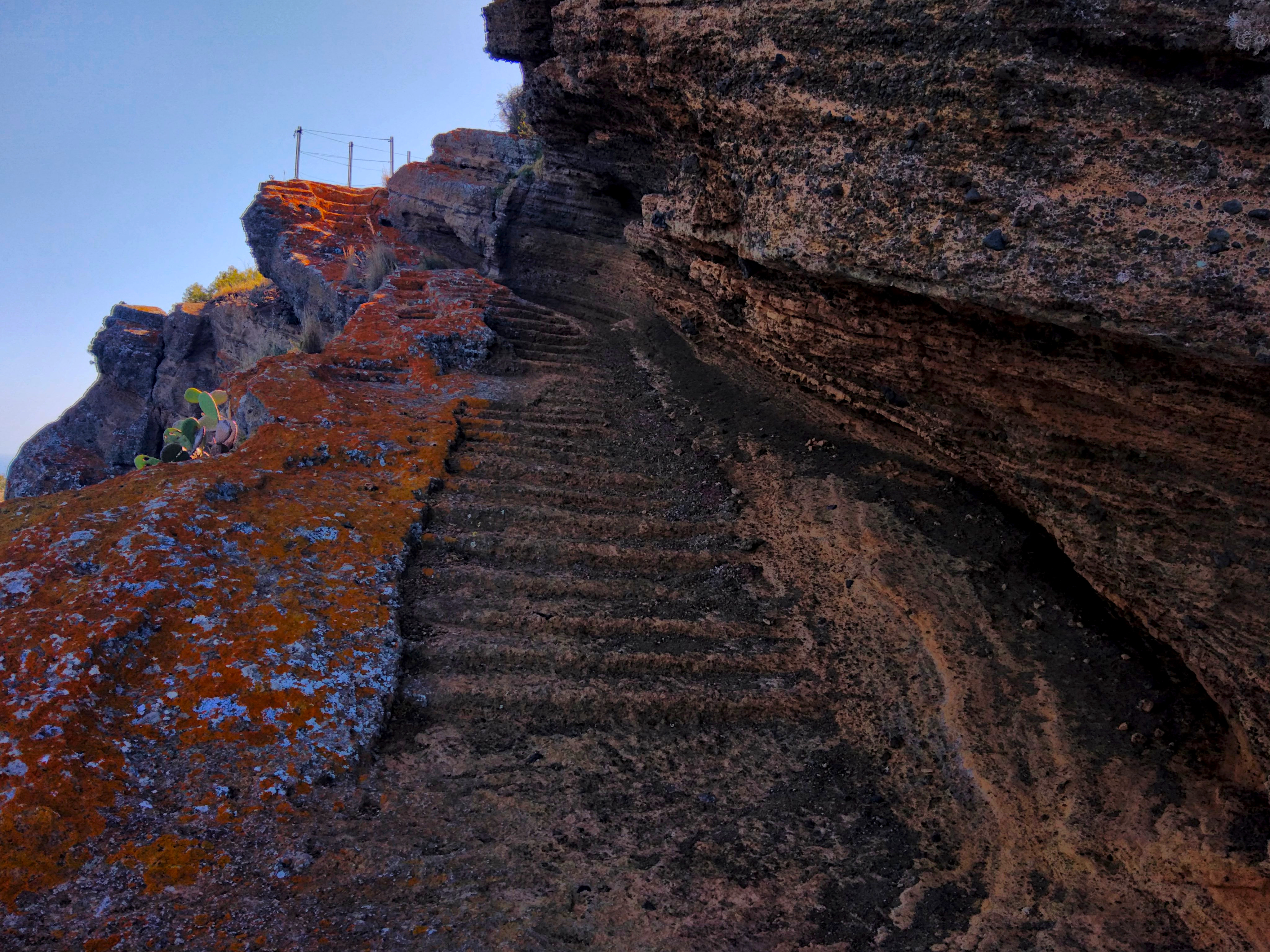
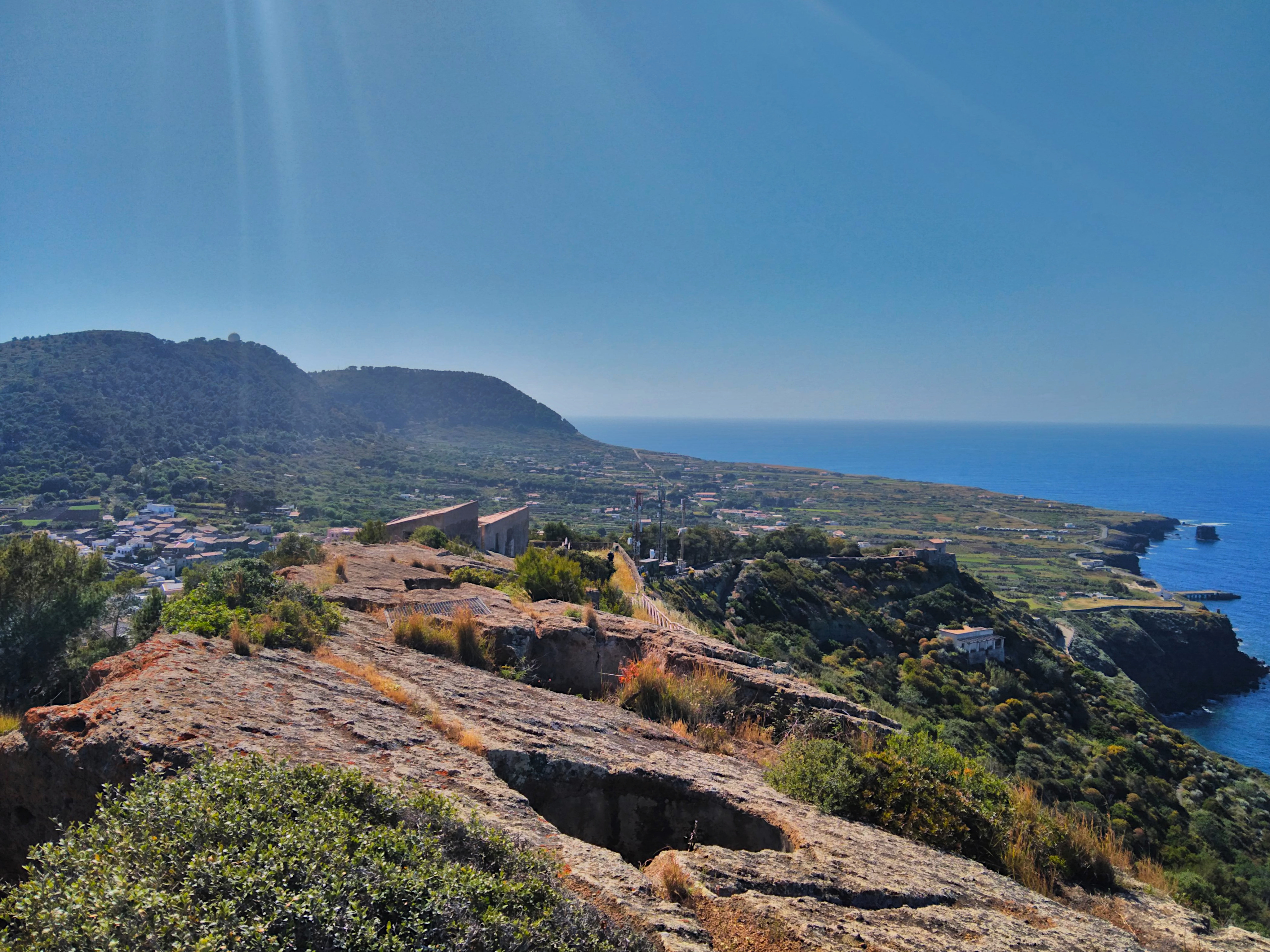
Settlements on the island started in the Paleolithic era (XIV–XIII century B.C.), possibly from the neighboring Aeolian islands. The Greeks called it Οστεώδες (Osteódes, “ossuary”), due to the extensive presence of human remains found there. Its current name is Roman, derived from Latin ustum (“burned”), in reference to the dark volcanic rock which can be seen all around the coast and forms the base of the land: it was formed from magma originated from the depths of the Earth's mantle, and the island is in fact the tip of a volcanic complex more than six times larger, now mostly submerged.
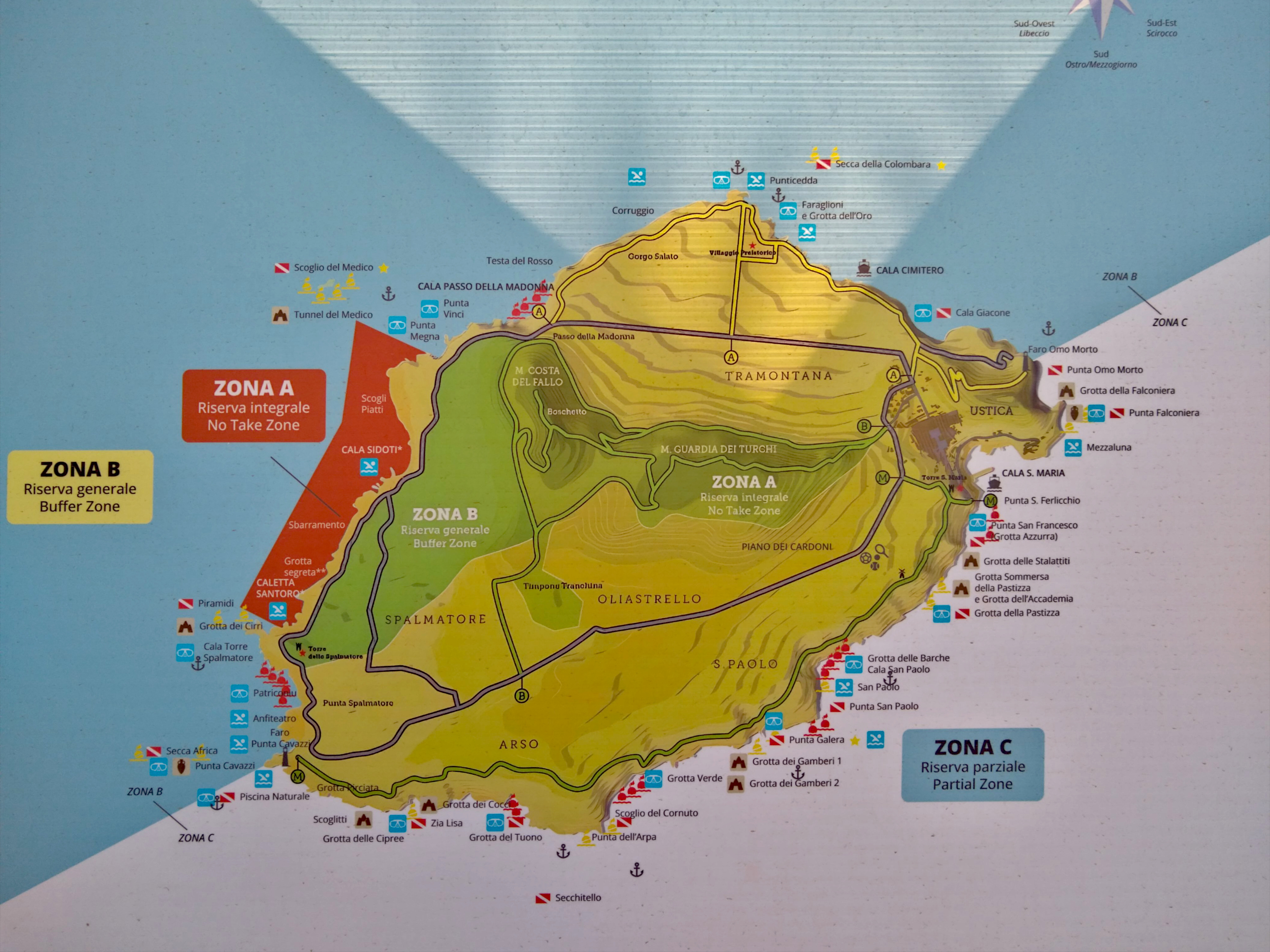
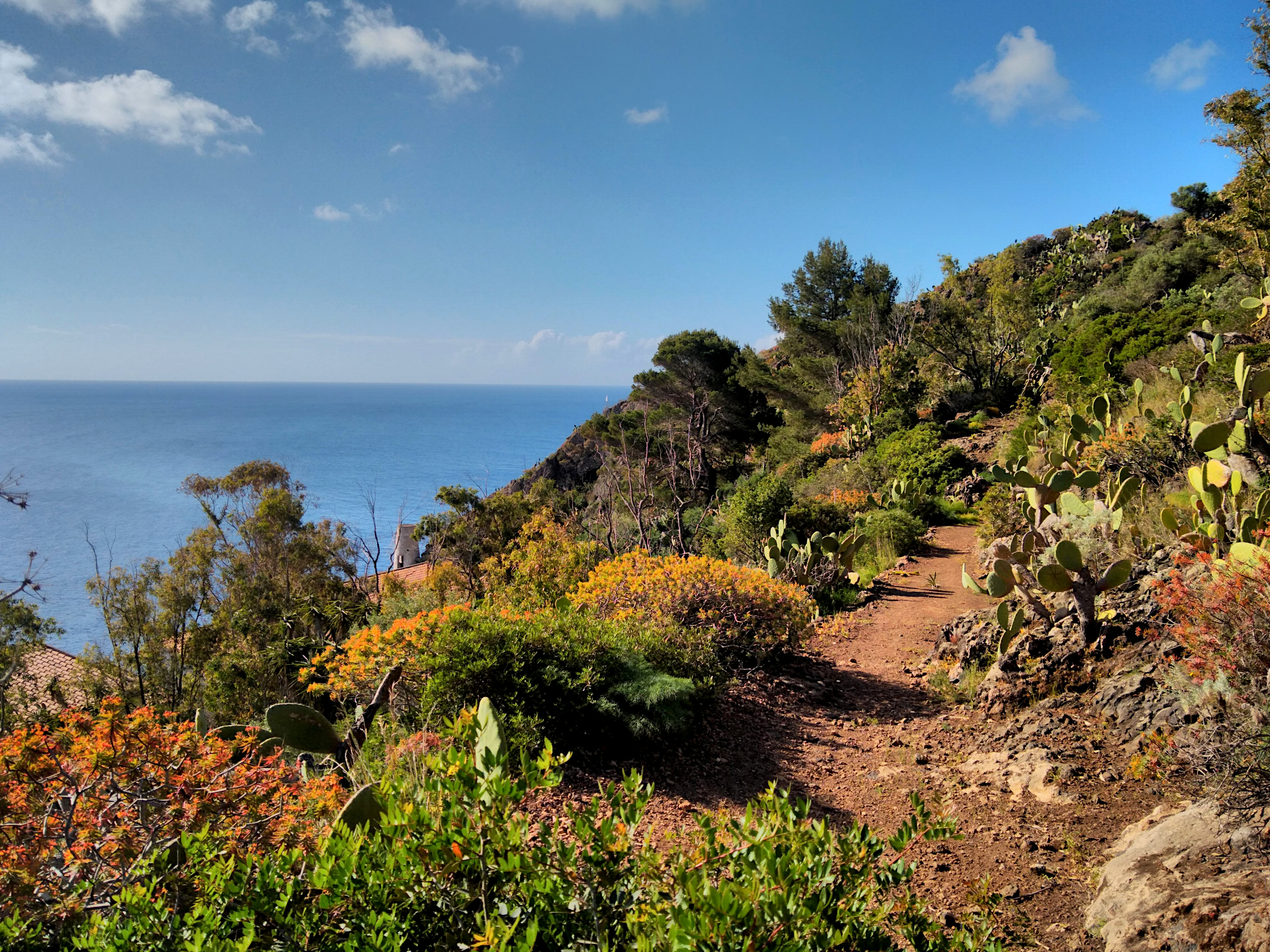
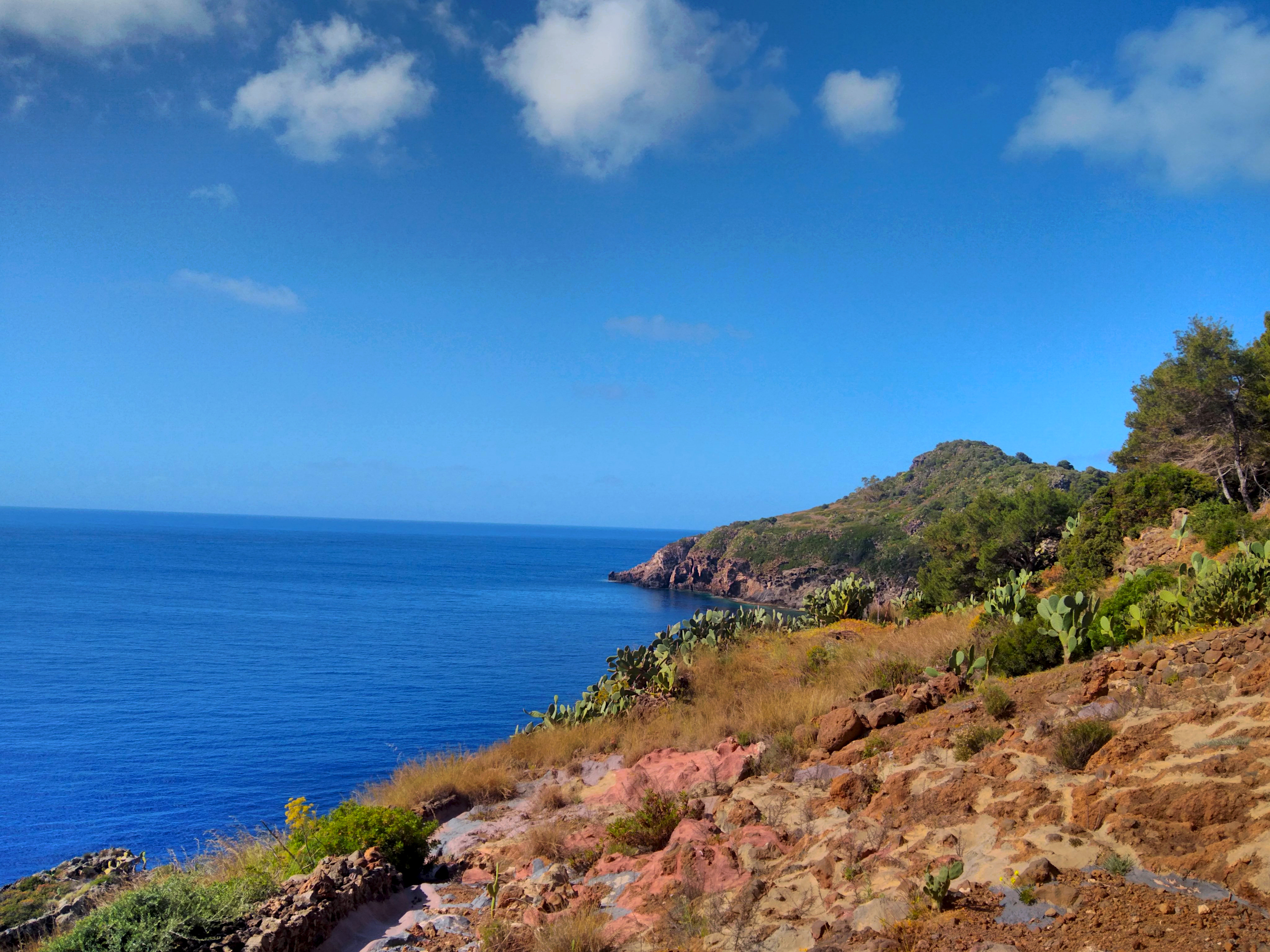
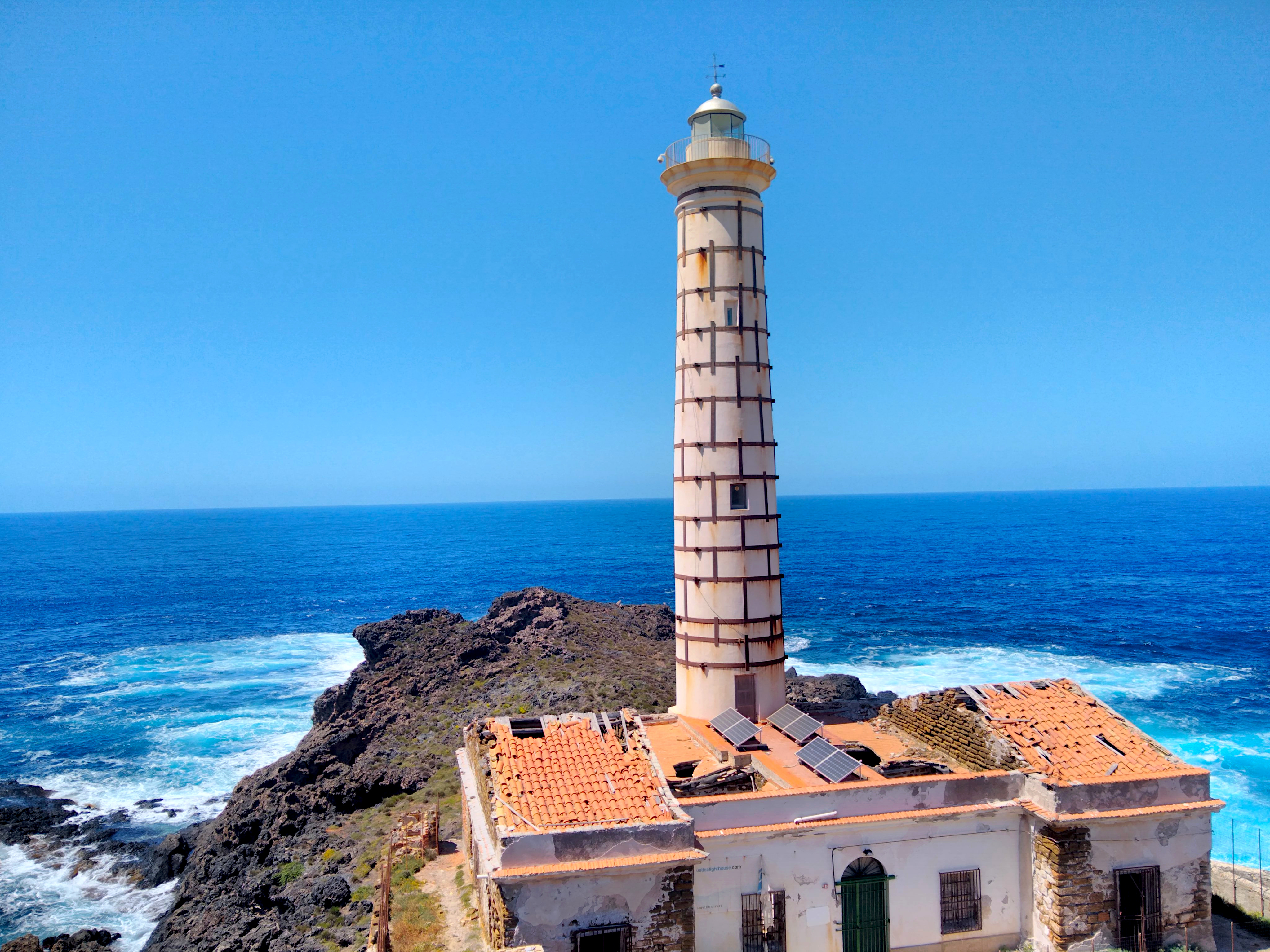
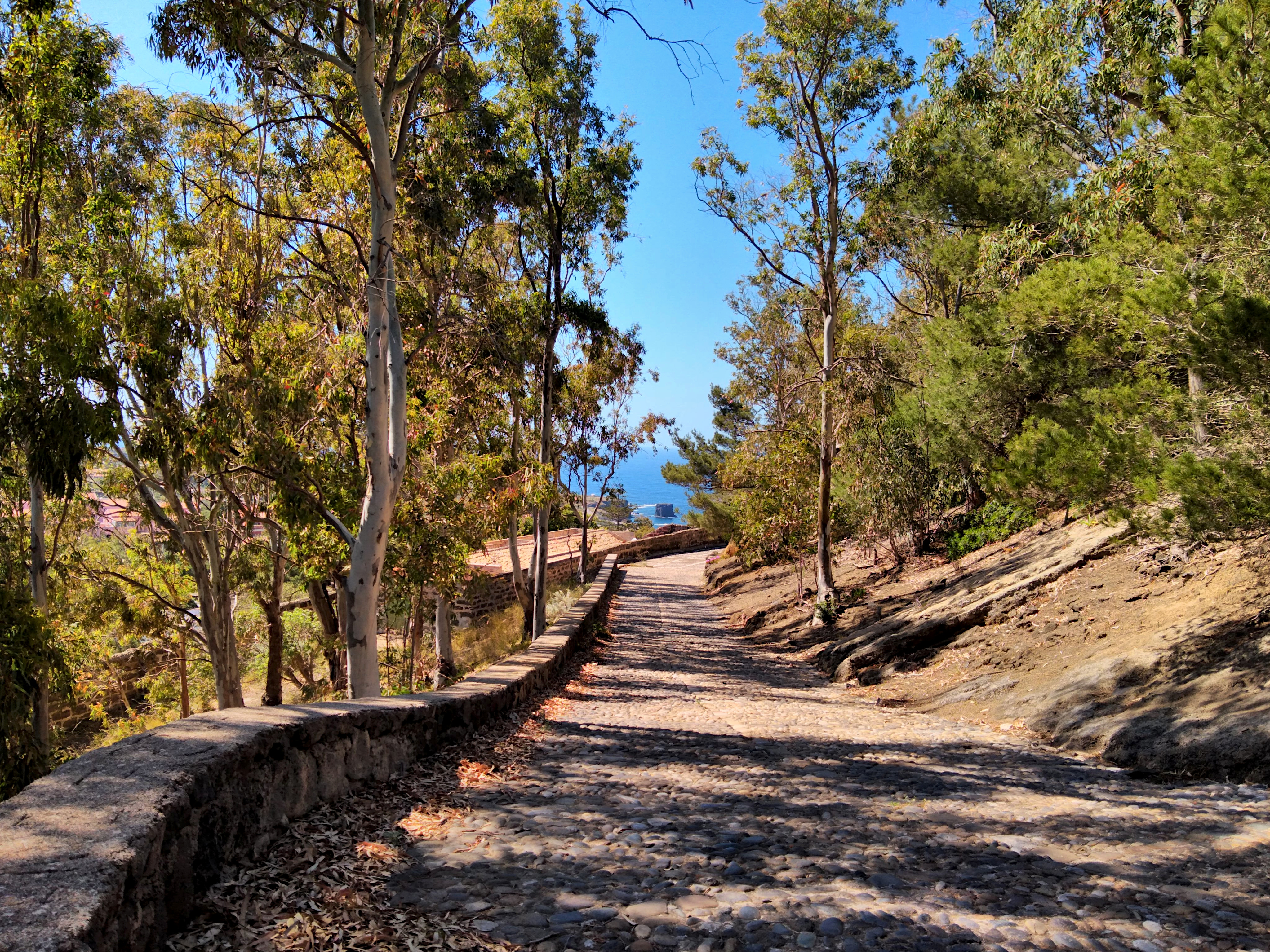
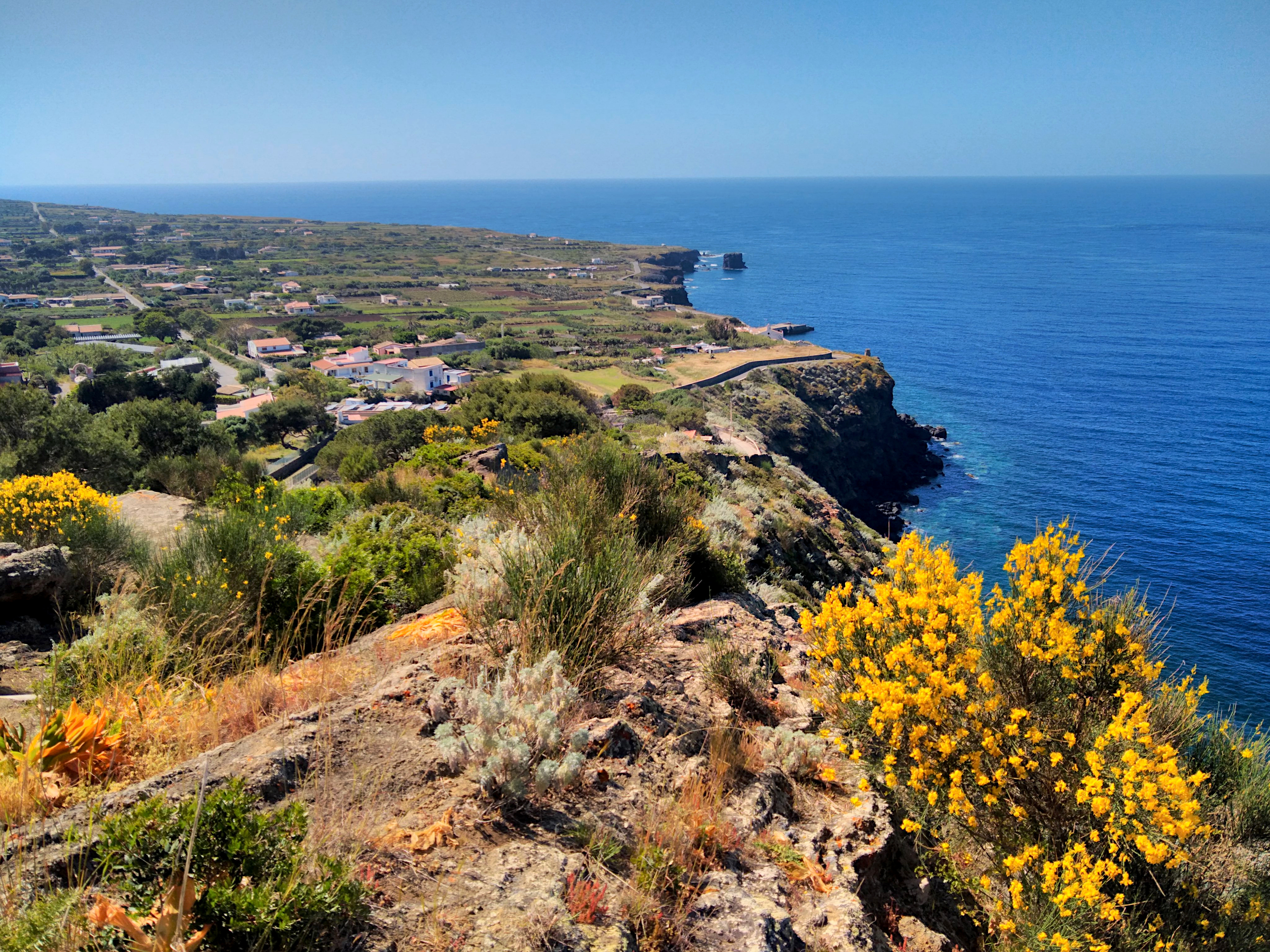
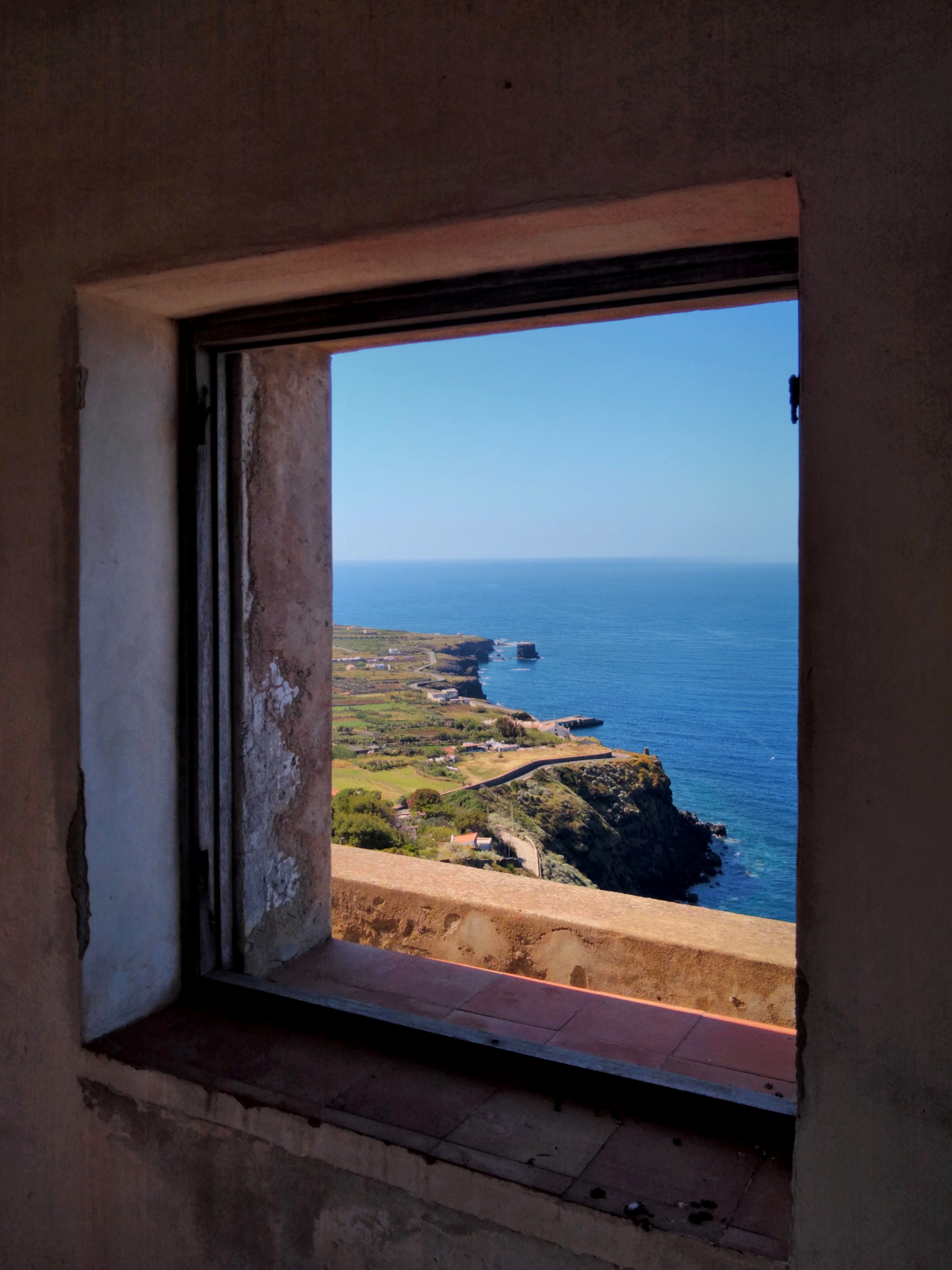
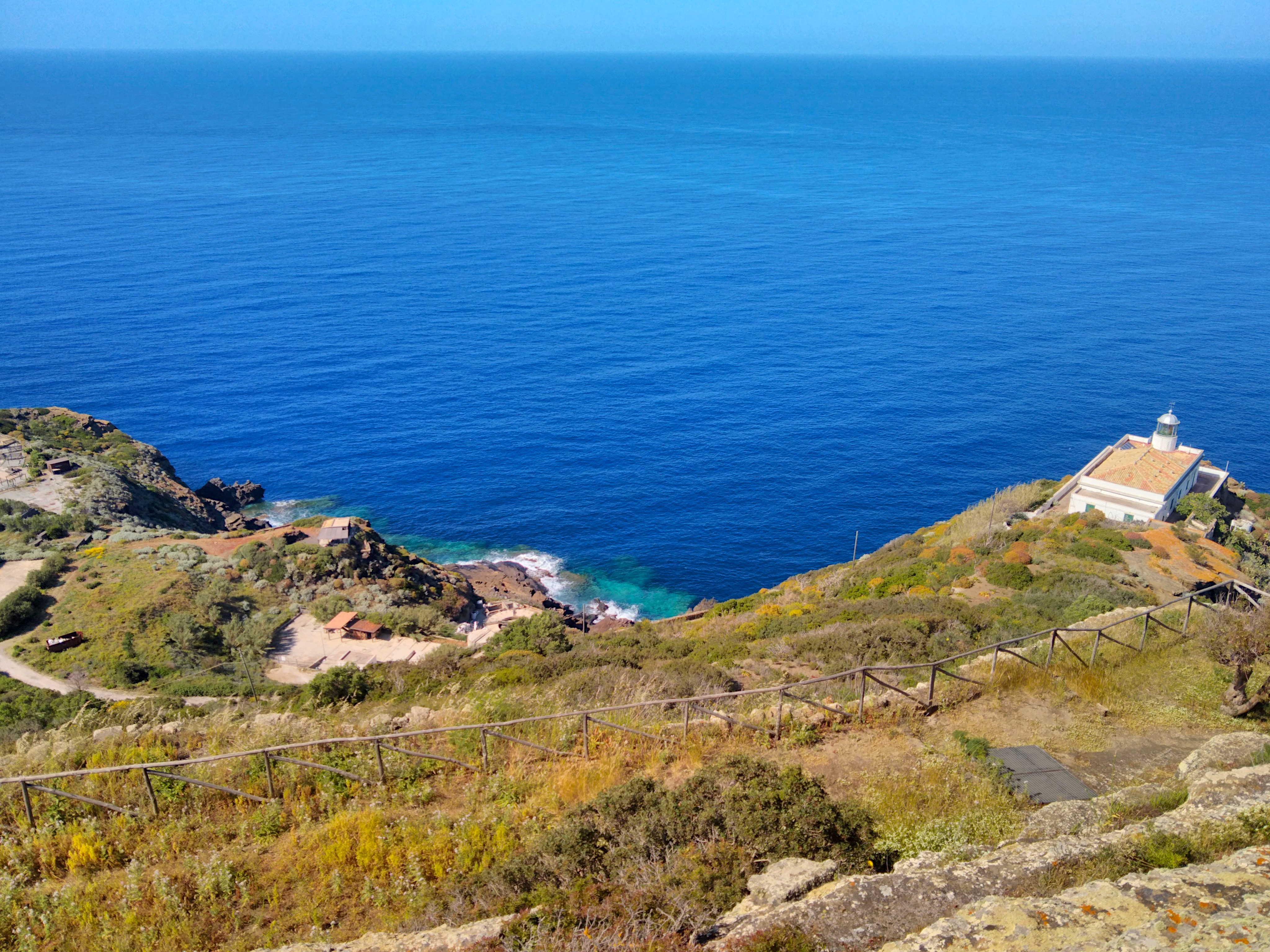
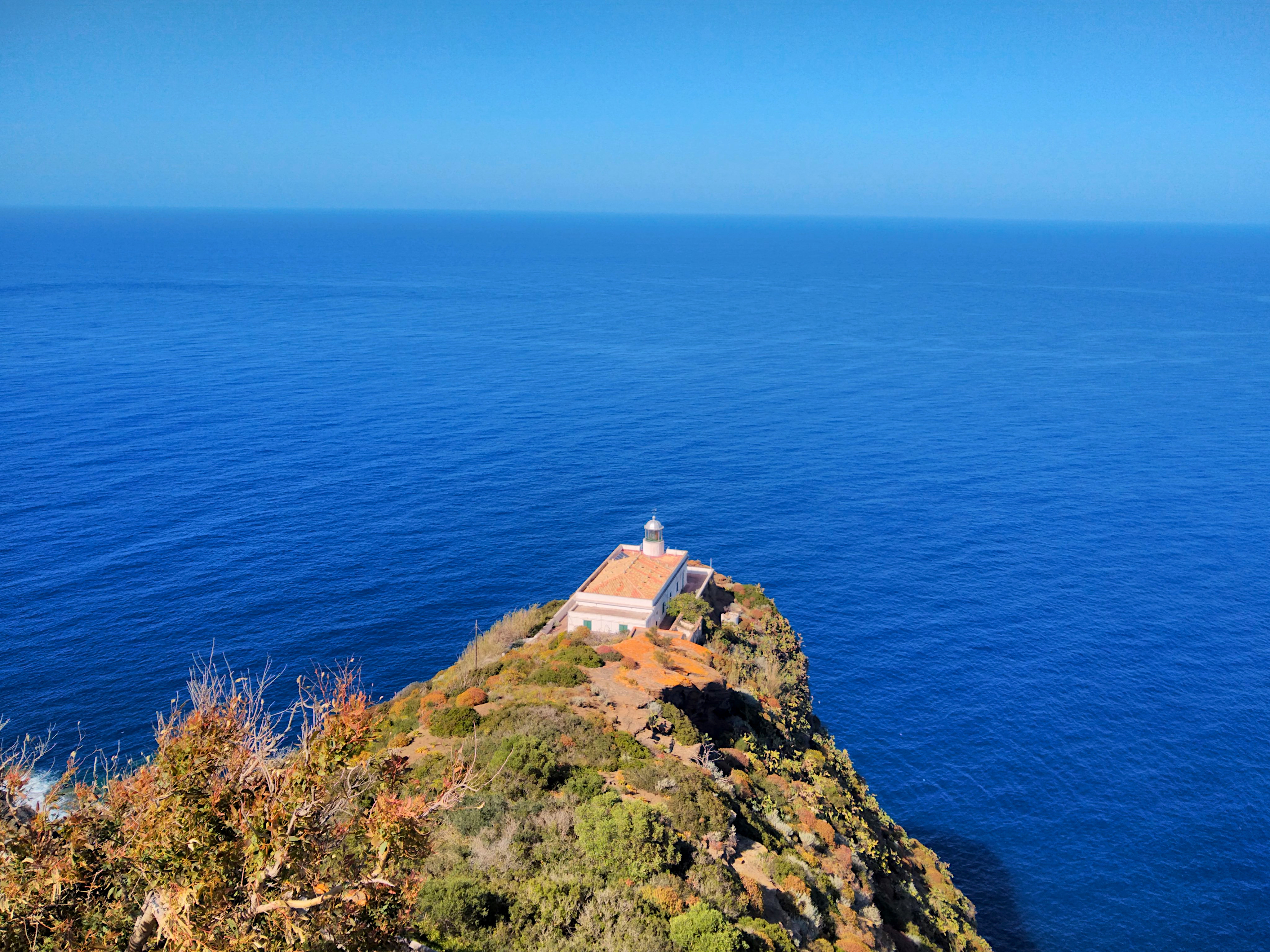
I arrived early in the morning — the hydrofoil takes 90 minutes to arrive — and walked around the center just long enough to visit Chiesa di Ferdinando Re and buy some nespole from the local market, departing right away to Sentiero del Mezzogiorno, one of the several trails which cover the island's entire 12km circumference. Starting in the east, at the southern side of the city, it passes through some of the island's most stunning spots on the way to Faro di Punta Cavazzi on the opposite end.
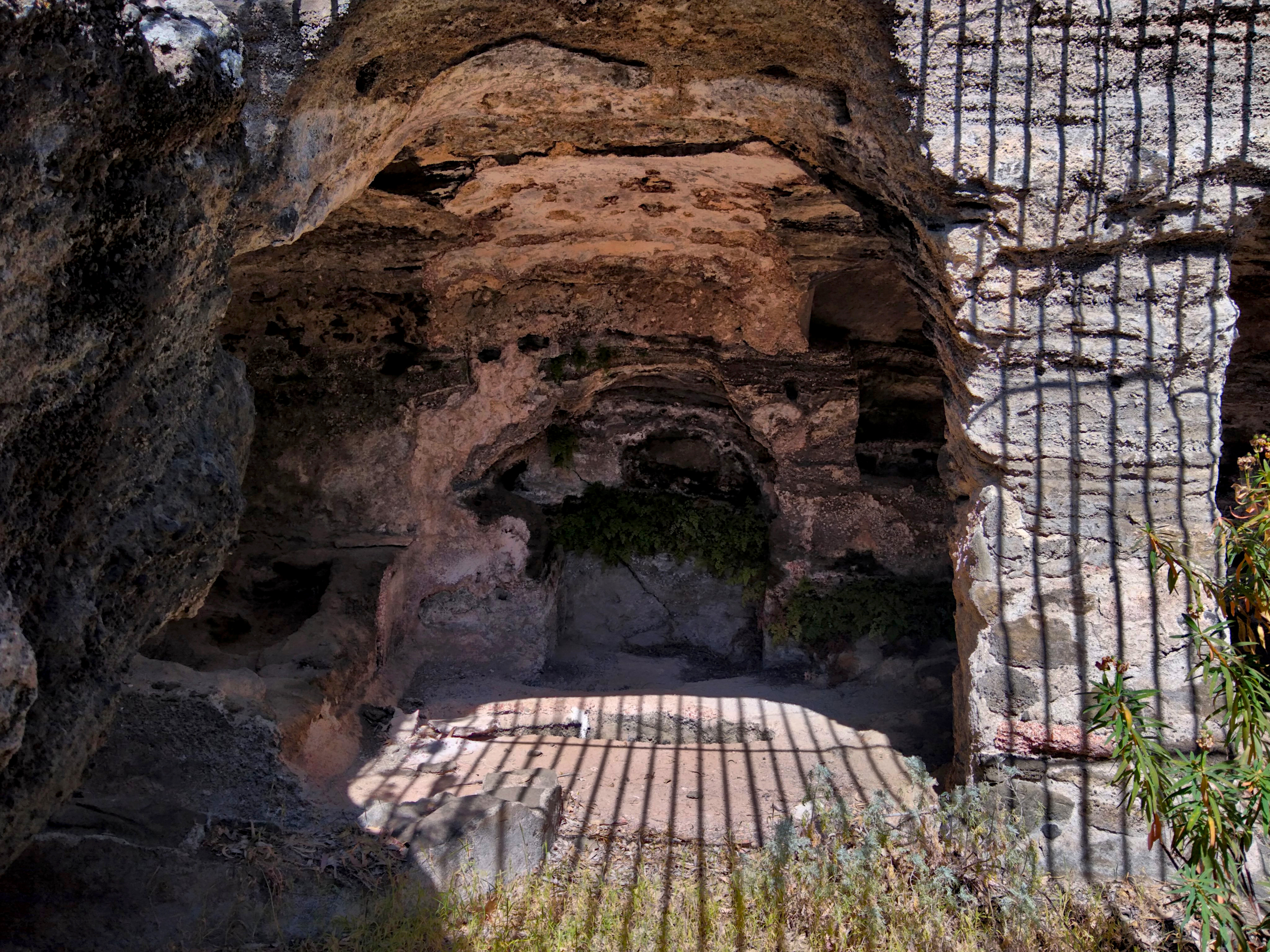
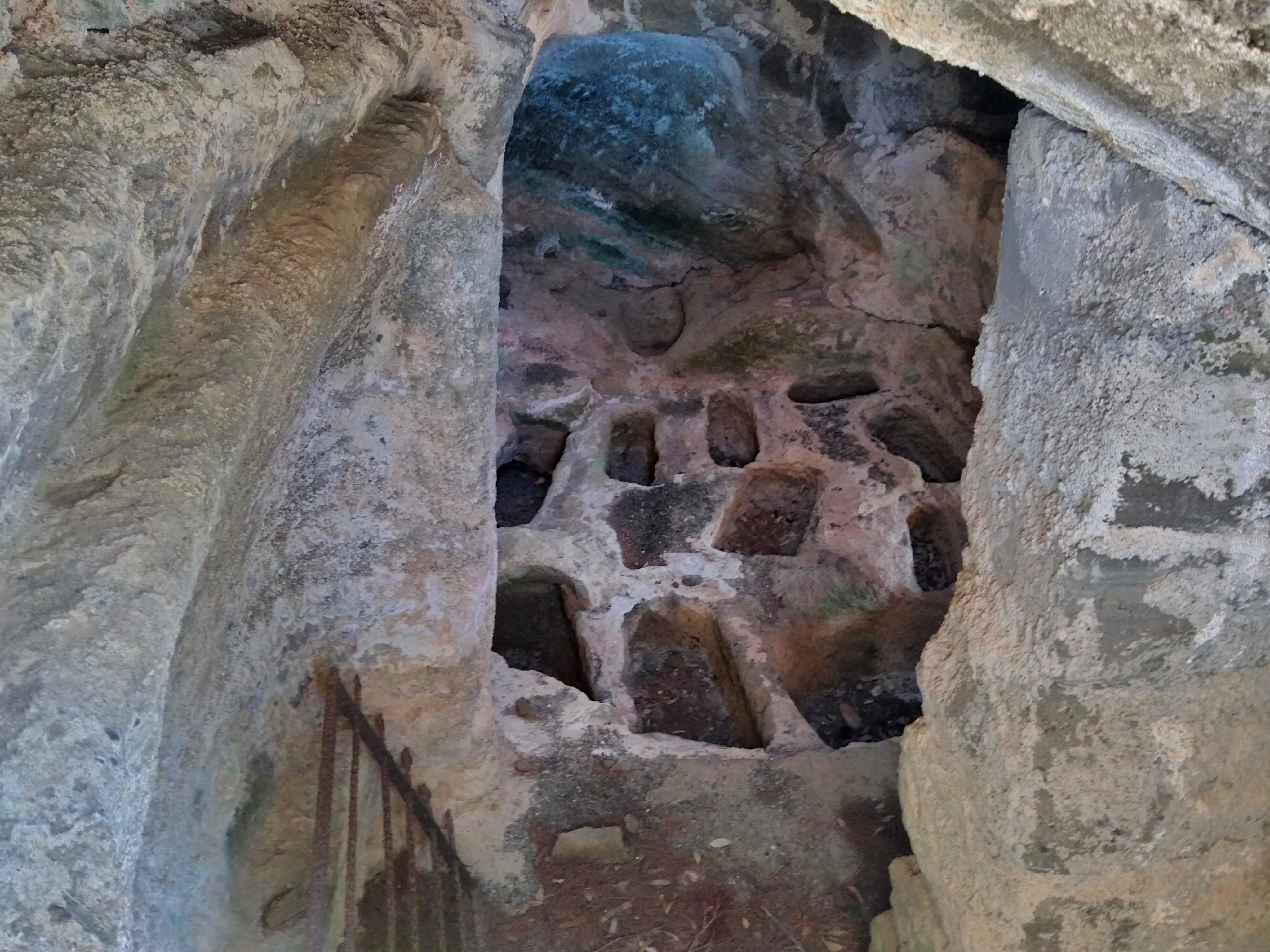
As usual, it took way longer than it should have to get there, so there was only time left to head straight back to the urban side via the opposite coast, passing by the Bronze Age settlements in Sentiero Archeologico, then visit Rocca della Falconiera, the visible tip of the submerged volcano crater, with its paleo-Christian tombs and late-Roman necropolis, before running down to the coast (after a short pause for a gelato, naturally) to catch the boat back at the end of the day and lament the fact that there wasn't enough time to stay for at least a few days.
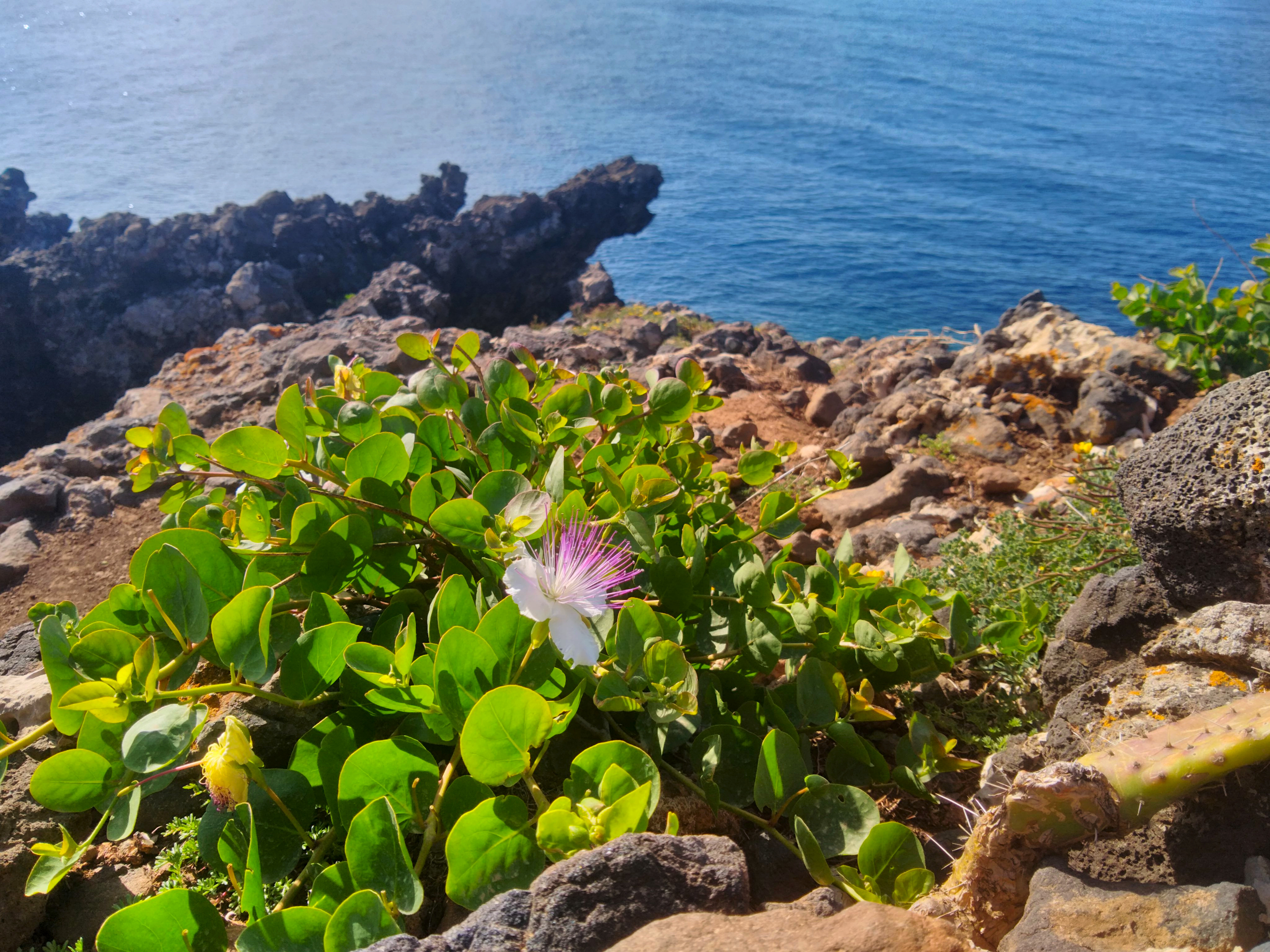
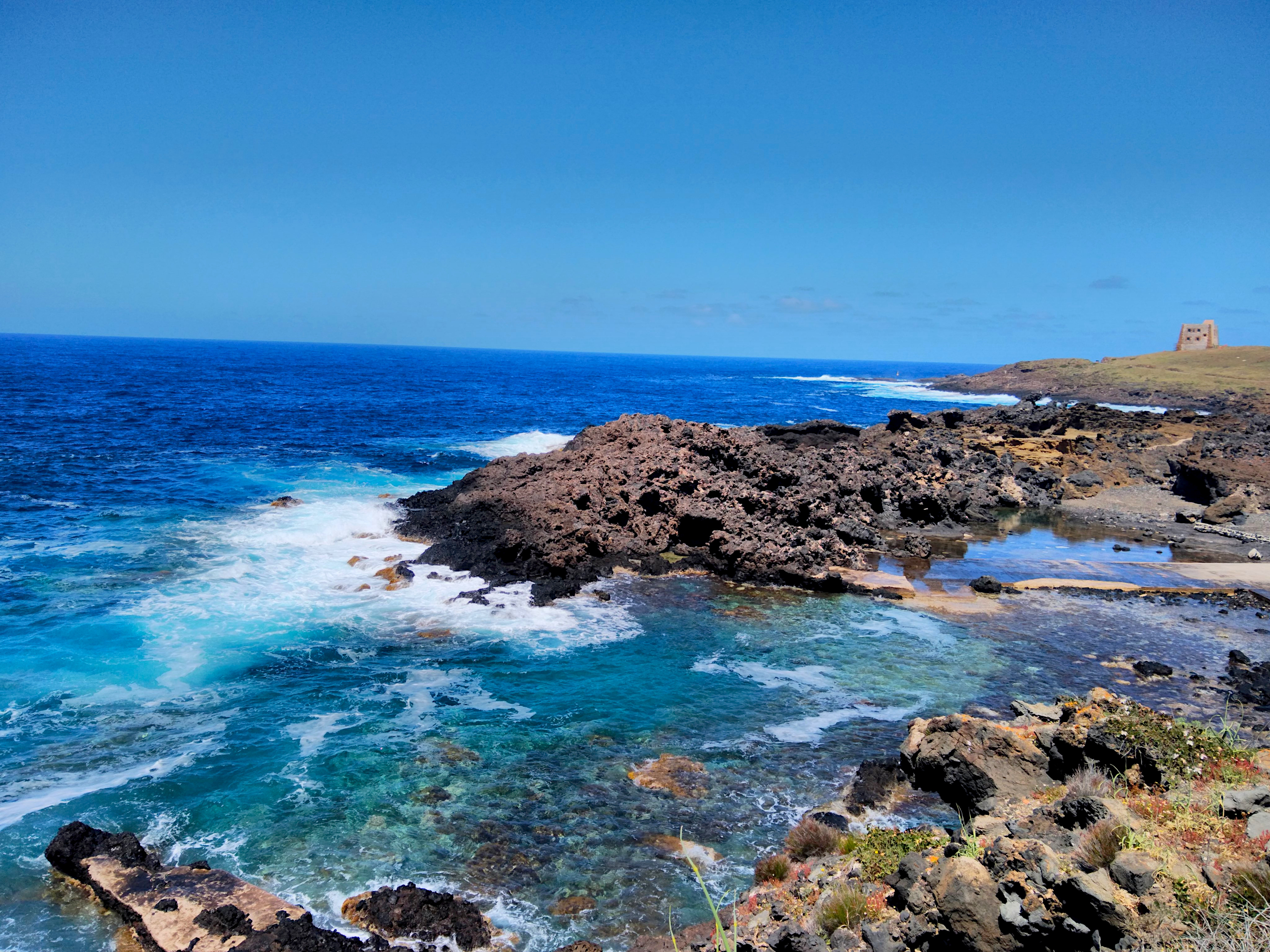
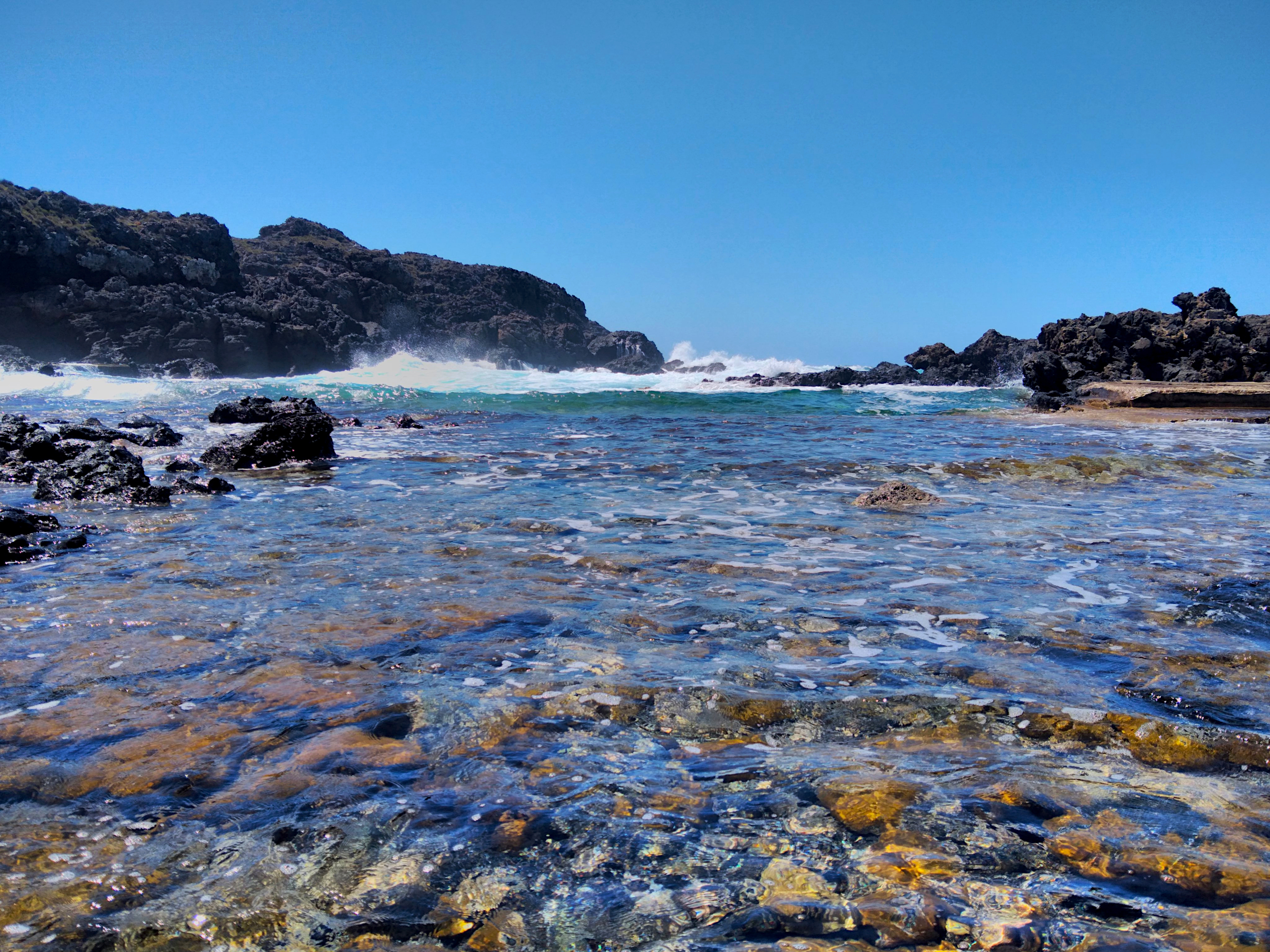
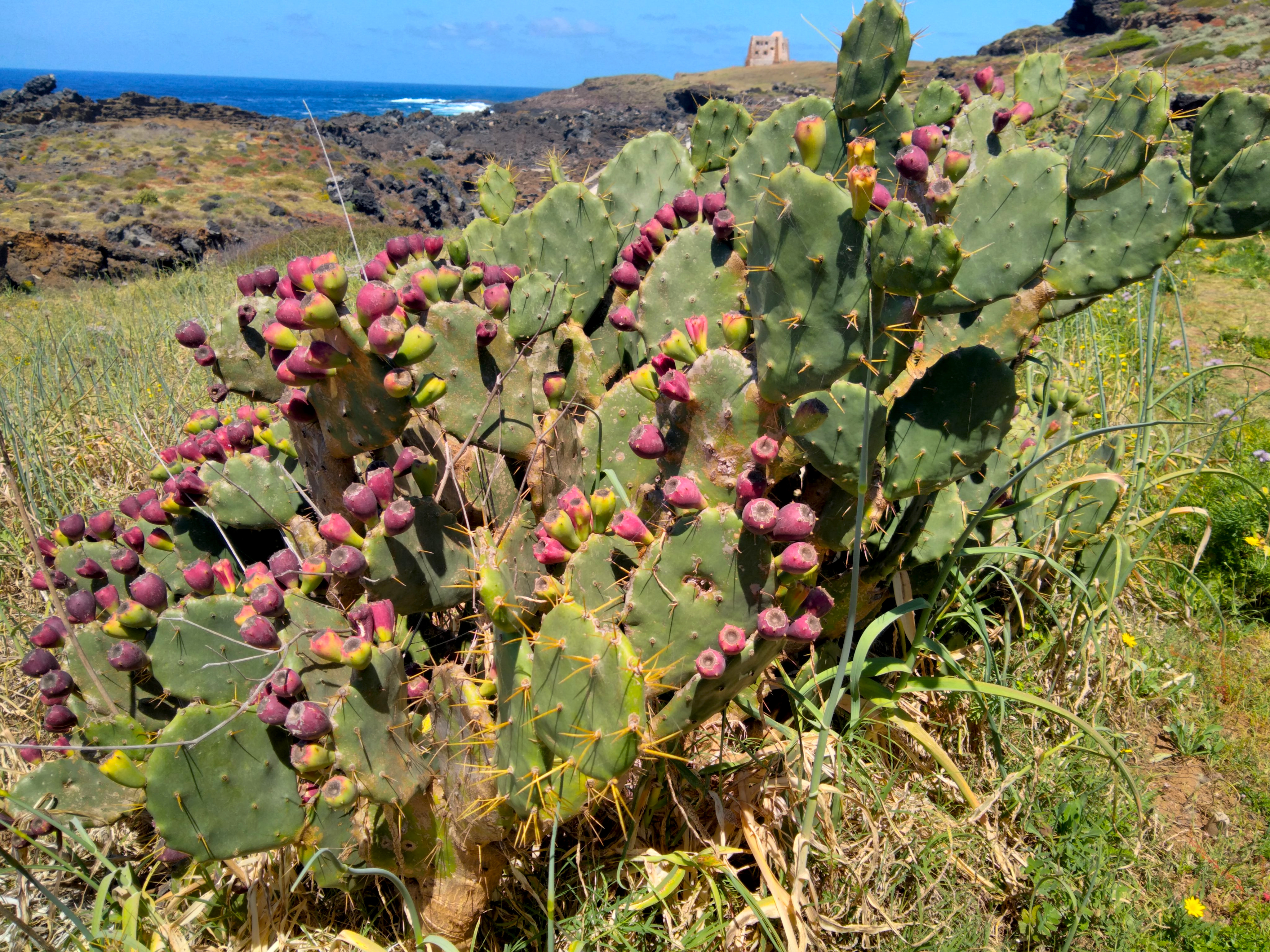
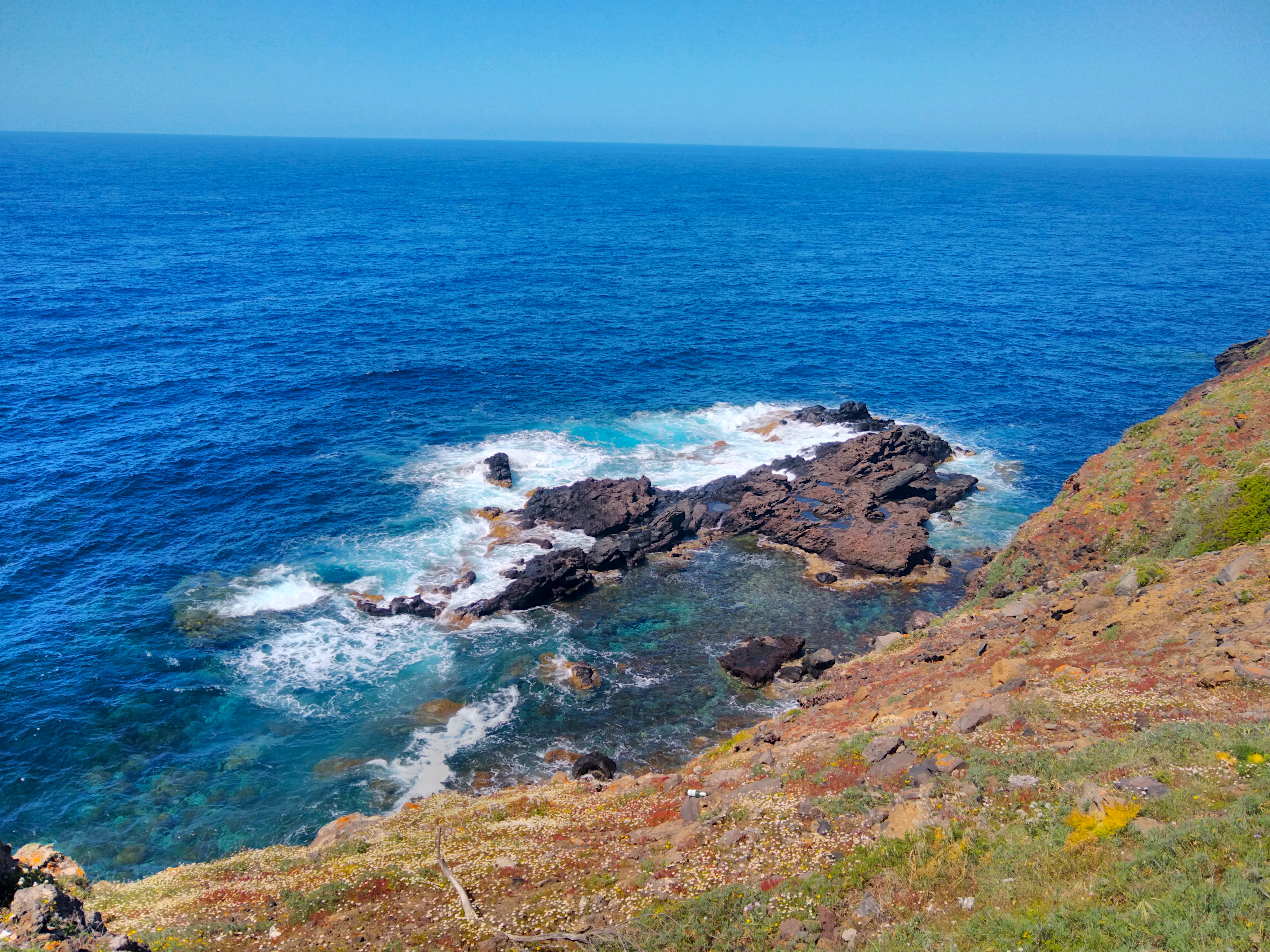
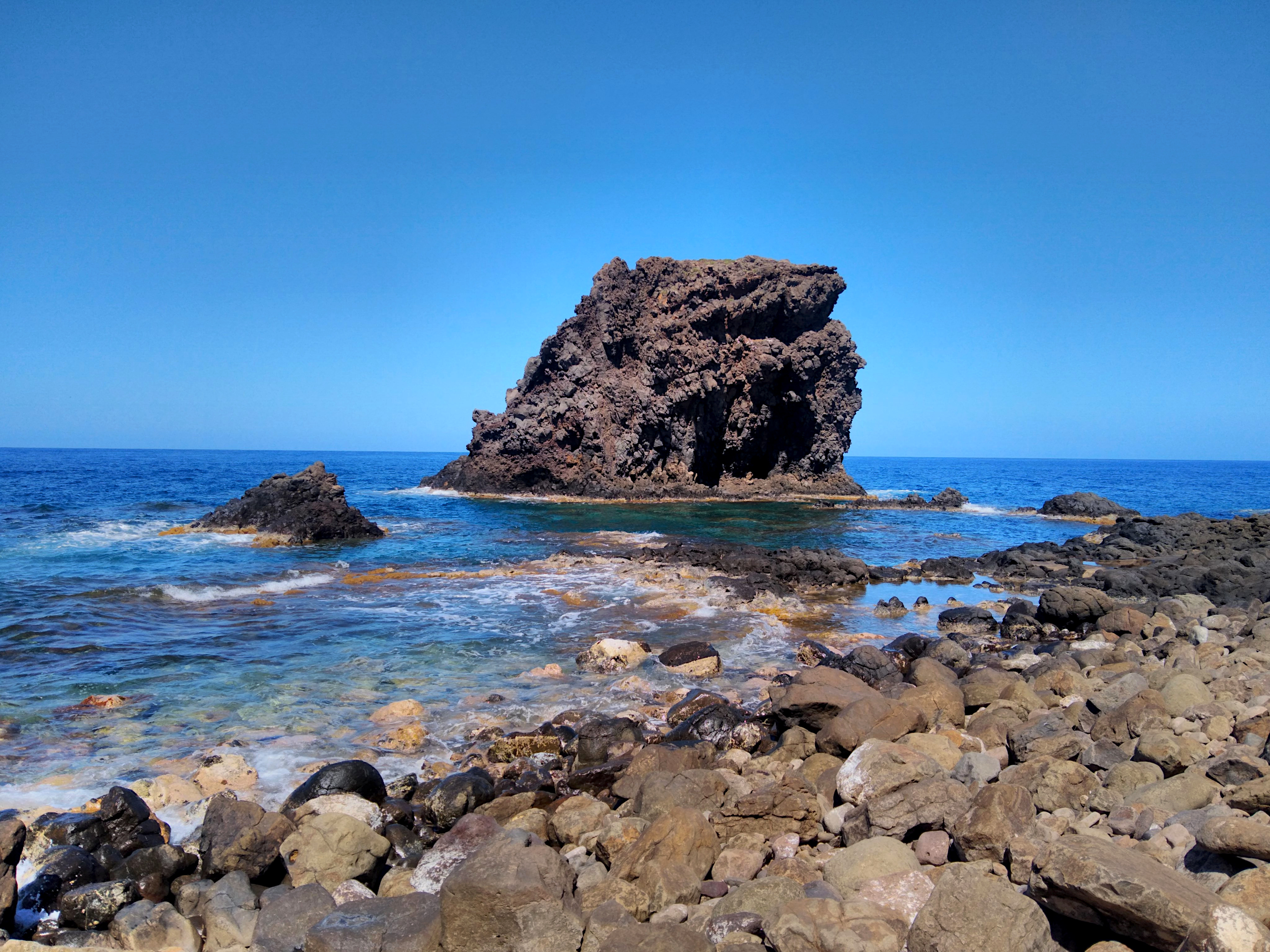
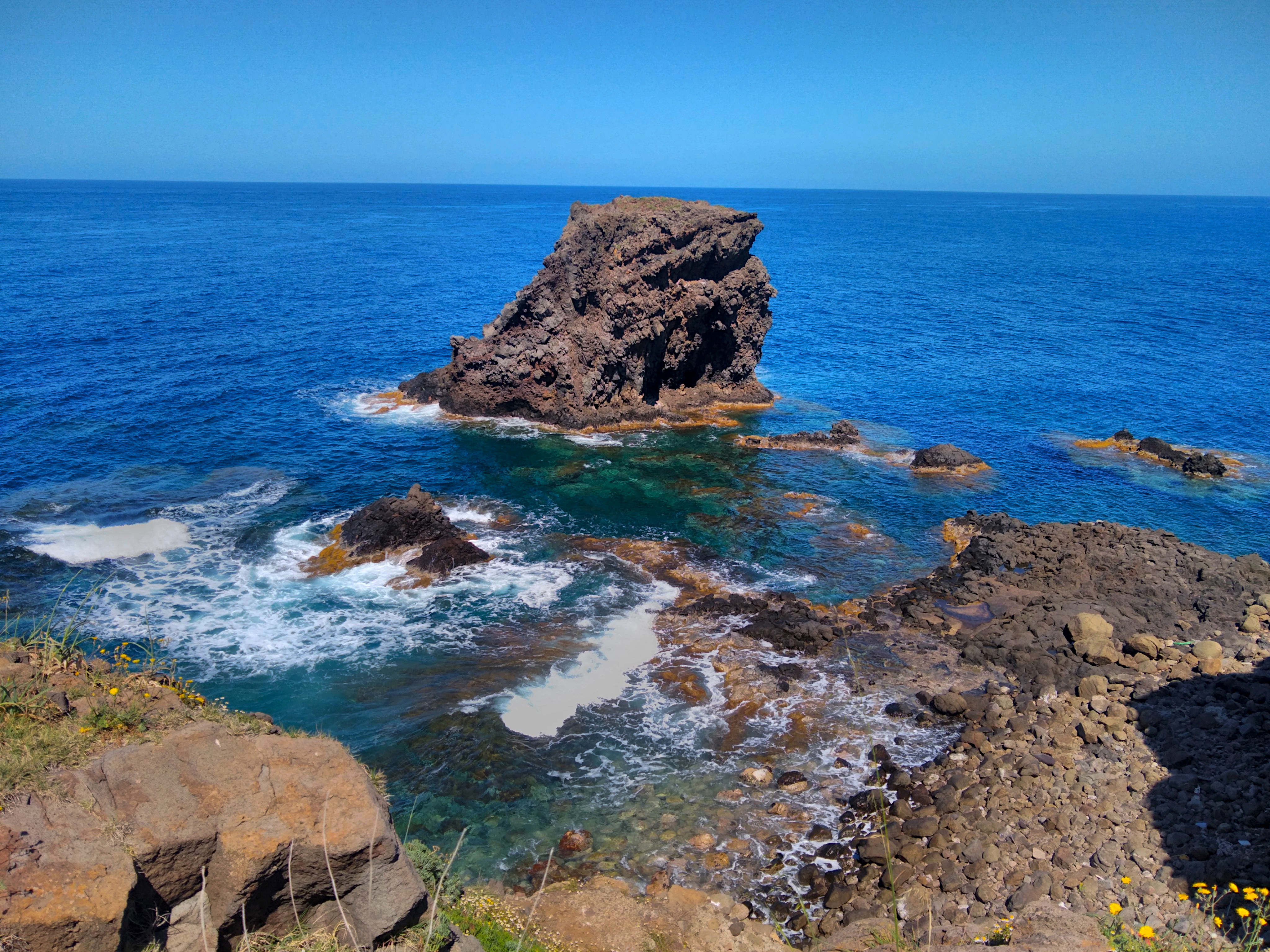
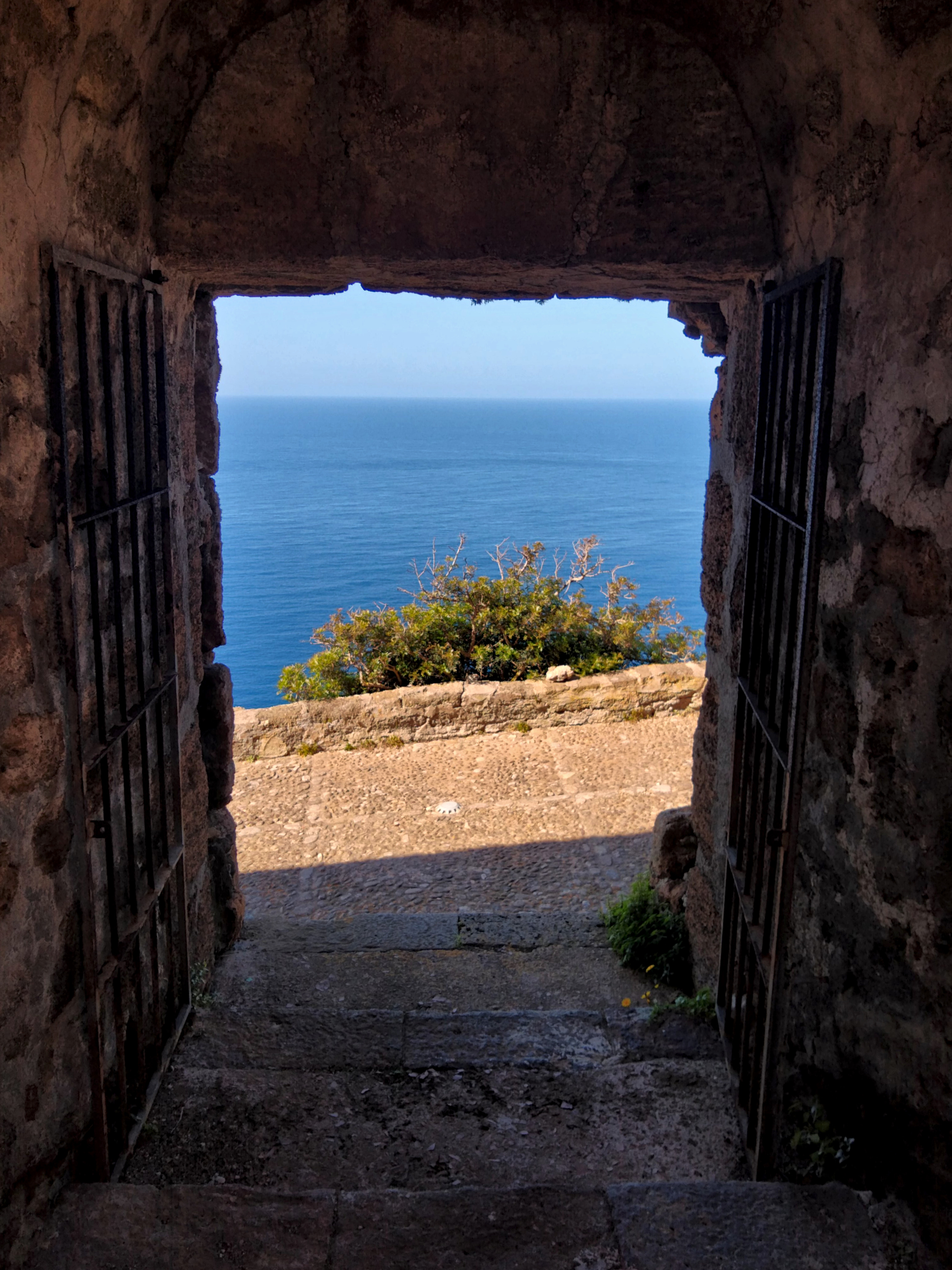
It's easy to see the reason for the delay. Ustica has a very rich aquatic environment: it was Italy's first marine protected area, and practically its entire coast is part of Risierva naturale orientata Isola di Ustica. No fishing is allowed, so the water is abundant in marine animals, geological spectacles, and ancient archaeological remains from millennia of shipwrecks. Here more than in any Sicilian island the spectacle of volcanic rock running straight into the Mediterranean waters is on full display. This combined with the contrasting colors of the typical Sicily vegetation really does make it seem like it was the magic works of the daughter of Helios and the sea nymph Perse that gave shape to the island.
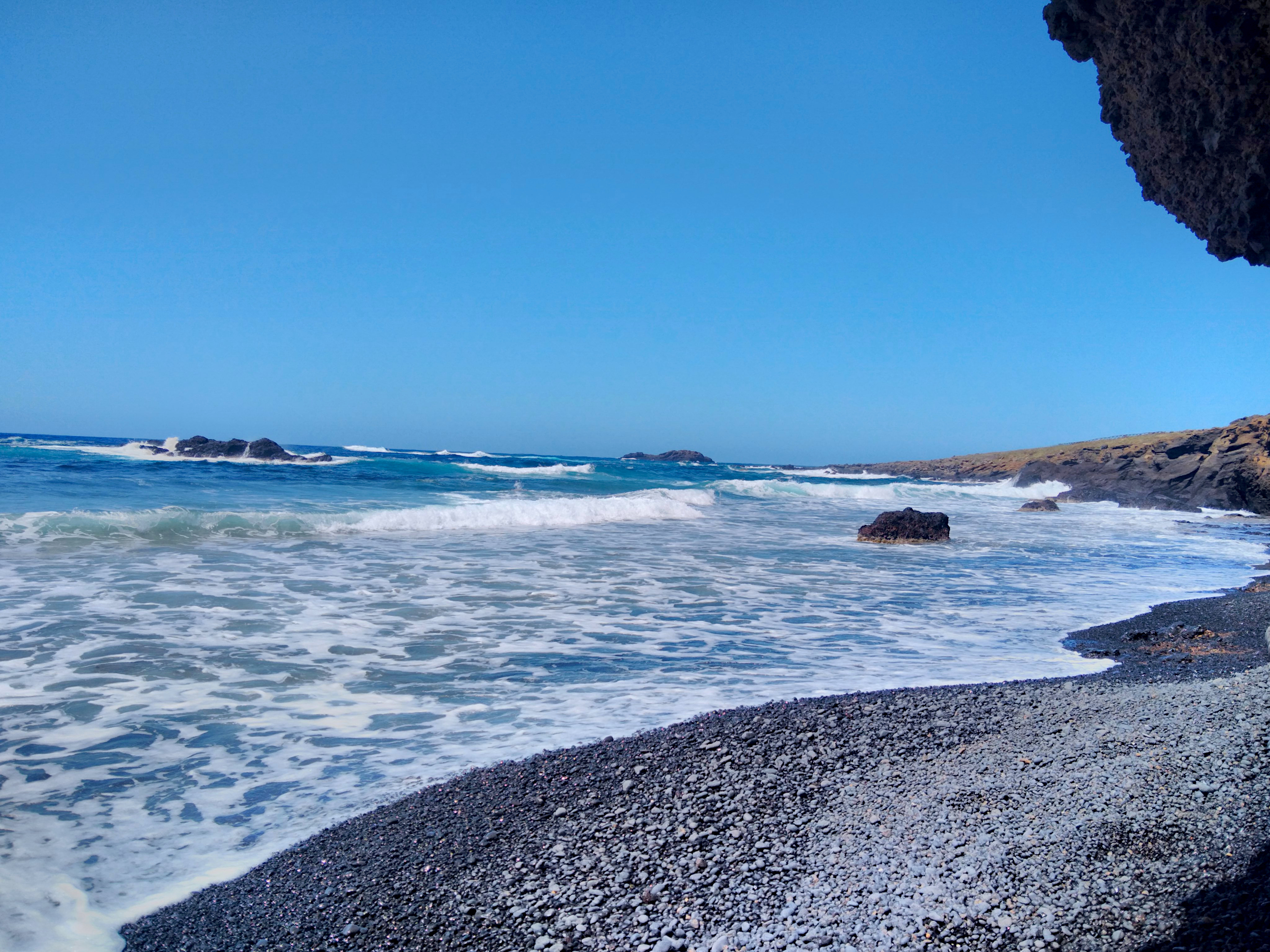
One final note: if you go with the intention of swimming in one of the many fantastic beaches around the island (and really, you should), make sure to bring water shoes. In my hubris, I thought they were the equivalent of gym gloves: they're not. A cut in my feet from one of the rocky beaches taught me that.
ὣς ἐφάμην, ἡ δ᾽ αὐτίκ᾽ ἀμείβετο δῖα θεάων:
‘διογενὲς Λαερτιάδη, πολυμήχαν᾽ Ὀδυσσεῦ,
μή τί τοι ἡγεμόνος γε ποθὴ παρὰ νηὶ μελέσθω,
ἱστὸν δὲ στήσας, ἀνά θ᾽ ἱστία λευκὰ πετάσσας
ἧσθαι: τὴν δέ κέ τοι πνοιὴ Βορέαο φέρῃσιν.
ἀλλ᾽ ὁπότ᾽ ἂν δὴ νηὶ δι᾽ Ὠκεανοῖο περήσῃς,
ἔνθ᾽ ἀκτή τε λάχεια καὶ ἄλσεα Περσεφονείης,
μακραί τ᾽ αἴγειροι καὶ ἰτέαι ὠλεσίκαρποι,
νῆα μὲν αὐτοῦ κέλσαι ἐπ᾽ Ὠκεανῷ βαθυδίνῃ,
αὐτὸς δ᾽ εἰς Ἀίδεω ἰέναι δόμον εὐρώεντα.Then the beautiful goddess drew near me, and said:
“Son of Laertes, sprung from Zeus, Odysseus of many devices,
let there be in thy mind no concern for a pilot to guide thy ship,
but set up thy mast, and spread the white sail,
and sit thee down; and the breath of the North Wind will bear her onward.
But when in thy ship thou hast now crossed the stream of Oceanus,
where is a level shore and the groves of Persephone
— tall poplars, and willows that shed their fruit —
there do thou beach thy ship by the deep eddying Oceanus,
but go thyself to the dank house of Hades.